
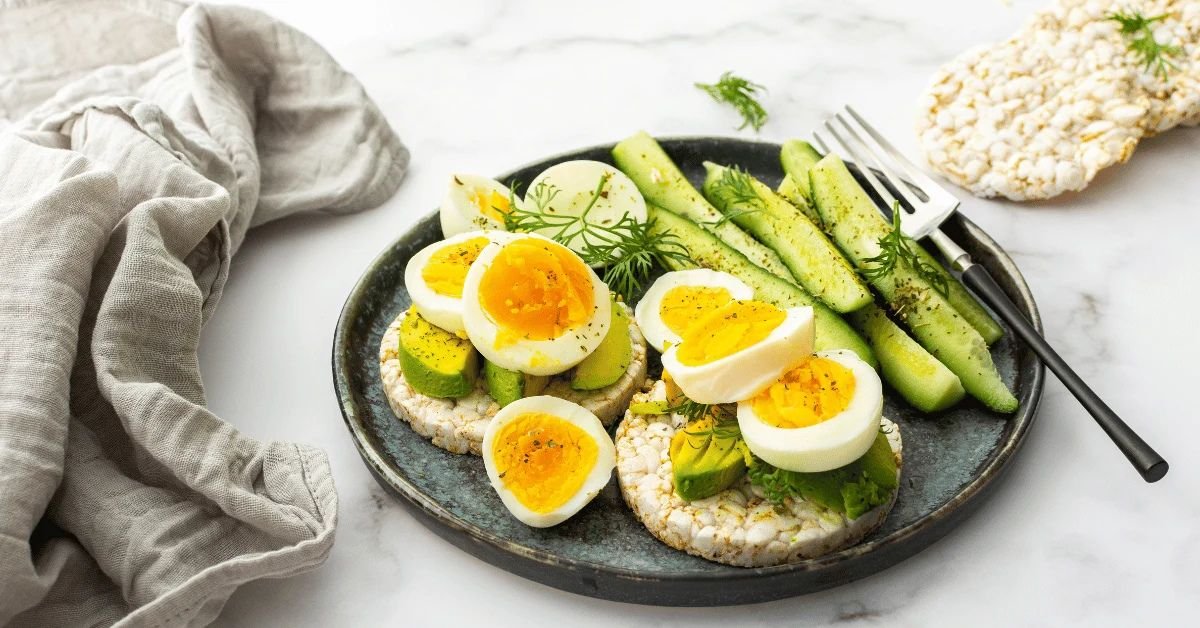
Healthy Soft Foods to Eat for Daily Nutrition and Wellness
flavoryplatter.com >> Uncategorized>> Healthy Soft Foods to Eat for Daily Nutrition and Wellness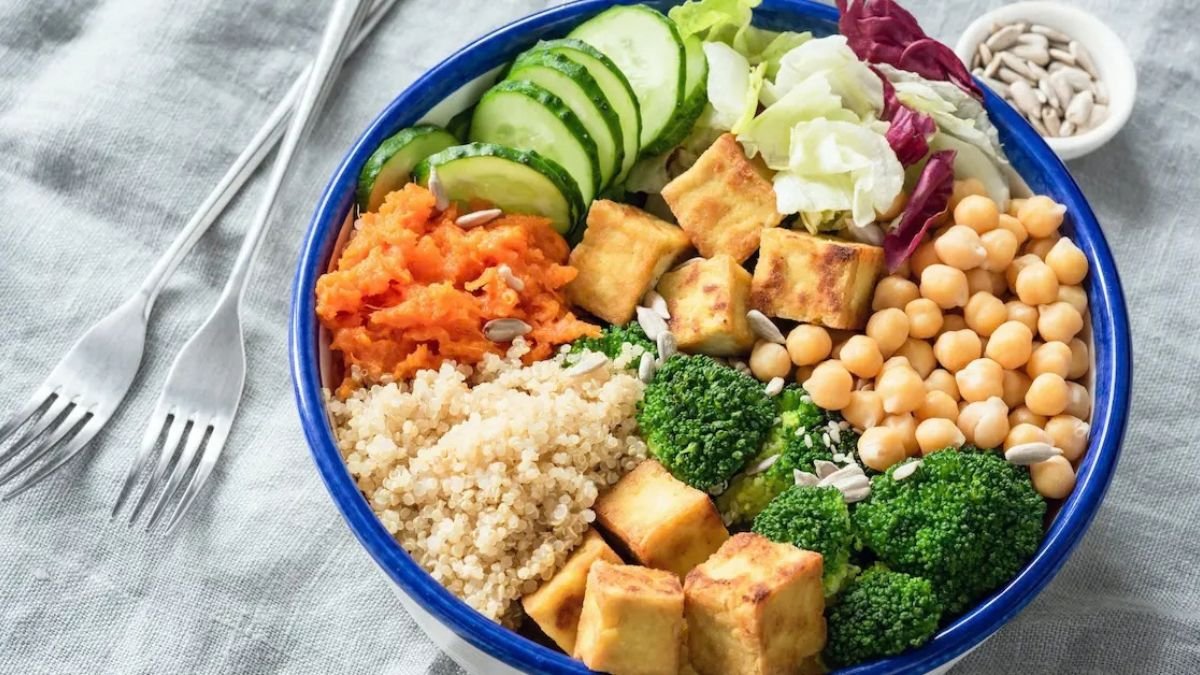
Healthy Soft Foods to Eat for Daily Nutrition and Wellness
Healthy soft foods to eat include meals that feel gentle and easy to chew. In addition to providing important nutrients, these foods are easy to eat. They often include soft fruits, cooked vegetables, eggs, yogurt, oatmeal, soups, and tender proteins.
Choosing soft foods does not mean giving up flavor or nutrition. You can build tasty meals that support your daily needs and keep your diet balanced. The right ingredients can also make meals more enjoyable and satisfying.
This guide explores healthy soft foods that you can add to your daily meals. You will find simple choices that provide protein, fiber, vitamins, and healthy fats. These foods can help you create easy meals while supporting overall nutrition and wellness.
Why Choose Soft Foods?
Soft foods can make eating easier and more comfortable. They need less chewing and feel gentle in the mouth. Foods like oatmeal, yogurt, mashed potatoes, and cooked vegetables offer simple options for daily meals.

Soft foods can also help people who struggle with hard or crunchy meals. They work well after dental treatments or during recovery. They can provide protein, fiber, vitamins, and minerals when you choose balanced ingredients.
You can also use soft foods to create tasty and satisfying meals. Blend fruits into smoothies or add tender proteins to soups. Cook vegetables until they become soft and easy to eat. These simple steps can help you enjoy nutritious meals with less effort.
Best Nutrient-Rich Choices
Soft foods can deliver many important nutrients. Choose foods like eggs, yogurt, oatmeal, bananas, and cooked vegetables. These foods provide protein, fiber, vitamins, and minerals while keeping meals easy to chew.
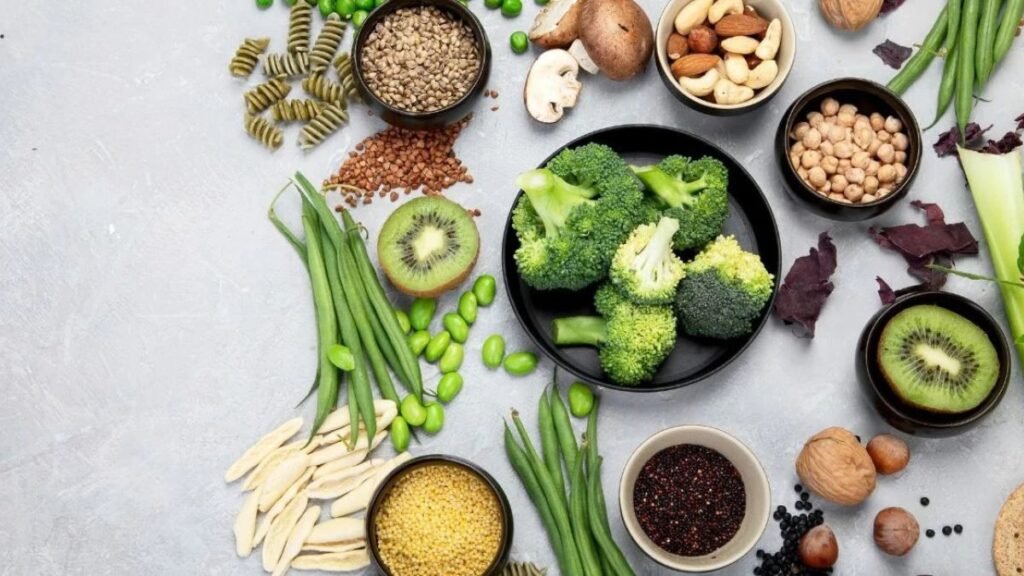
Add healthy fats to make your meals more filling. Avocado, nut butter, and soft cheese work well in many dishes. You can also blend them into smoothies or mix them with soft meals for extra nutrition.
Choose a variety of foods throughout the day. Combine protein with fruits, vegetables, and whole grains. This simple approach helps you build balanced meals and support daily energy and wellness.
Protein-Rich Soft Options
Protein helps the body build and repair tissues. You can choose many soft foods that provide protein without hard textures. Eggs, Greek yogurt, cottage cheese, soft tofu, and tender fish make simple choices for daily meals.
You can also add protein to soups, oatmeal, mashed vegetables, and smoothies. Cook meat until it becomes tender and easy to chew. Choose different protein sources throughout the week to create balanced and satisfying meals.
| Soft Protein Food | Main Nutrients | Easy Preparation | Serving Idea |
| Scrambled Eggs | Protein, vitamins, healthy fats | Cook until soft | Serve with soft toast |
| Greek Yogurt | Protein, calcium | Serve chilled | Add mashed banana |
| Cottage Cheese | Protein, calcium | Serve as it is | Mix with soft fruit |
| Soft Tofu | Protein, iron | Steam or lightly cook | Add to soup |
| Tender Fish | Protein, omega-3 fats | Bake or steam | Serve with mashed potatoes |
| Shredded Chicken | Protein, vitamins | Cook until tender | Add to soup or rice |
| Ground Turkey | Protein, iron | Cook until tender | Mix with soft vegetables |
| Mashed Beans | Protein, fiber, iron | Cook and mash | Spread on soft bread |
| Lentil Soup | Protein, fiber, iron | Simmer until soft | Serve warm |
| Hummus | Protein, fiber, healthy fats | Blend cooked chickpeas | Serve with soft pita |
| Peanut Butter | Protein, healthy fats | Spread smoothly | Add to oatmeal |
| Almond Butter | Protein, healthy fats | Use smooth butter | Mix into a smoothie |
| Soft Cheese | Protein, calcium | Serve fresh | Add to mashed vegetables |
| Oatmeal with Milk | Protein, fiber, calcium | Cook until creamy | Add soft fruit |
| Quinoa | Protein, fiber, minerals | Cook until tender | Mix with cooked vegetables |
| Chia Pudding | Protein, fiber, healthy fats | Soak until soft | Add mashed berries |
| Protein Smoothie | Protein, vitamins | Blend ingredients | Use yogurt and banana |
| Mashed Chickpeas | Protein, fiber, iron | Cook and mash | Mix with soft avocado |
Soft Fruits and Vegetables
Soft fruits can add natural sweetness and useful nutrients to your meals. Choose ripe bananas, avocados, peaches, pears, and melons. You can mash them, blend them, or eat them fresh when they feel soft enough.
Cook vegetables to create a tender texture. Carrots, potatoes, sweet potatoes, squash, spinach, and zucchini work well. Steam or boil them until they become soft and easy to chew.
Mix soft fruits and vegetables into balanced meals. Add mashed avocado to eggs or blend bananas into oatmeal. You can also add cooked vegetables to soups and mashed dishes. These simple choices can help you enjoy more vitamins, minerals, and fiber each day.
Easy Breakfast Choices
Start your morning with soft foods that provide steady energy. Oatmeal makes a simple choice because you can cook it until creamy. Add mashed banana, yogurt, or smooth nut butter for extra flavor and nutrients.
Scrambled eggs also make a quick and filling breakfast. Cook them gently to keep them soft and tender. You can pair them with mashed avocado or soft cheese for more protein and healthy fats.
Smoothies offer another easy option for busy mornings. Blend bananas, berries, yogurt, and milk until smooth. You can also add oats or nut butter to make your smoothie more filling and nutritious.
Simple Lunch Ideas
Choose soft lunch meals that feel easy to chew and digest. Try a creamy vegetable soup with tender chicken or lentils. You can also enjoy mashed potatoes with soft cooked vegetables for a filling meal.
Soft rice bowls make another simple choice. Add tender shredded chicken, cooked carrots, zucchini, or tofu. Mix the ingredients with a light sauce to create a moist and flavorful lunch.
You can also prepare soft sandwiches and wraps. Use soft bread with egg salad, mashed avocado, hummus, or tender shredded chicken. Keep the fillings moist and avoid hard or crunchy toppings for a smoother texture.
Comforting Dinner Options
Choose warm and soft meals for a satisfying dinner. Creamy soups, mashed potatoes, and soft rice make easy choices. Add tender chicken, fish, or tofu to increase the protein.
Pasta can also create a comforting soft meal. Cook the pasta until tender and add a smooth sauce. You can mix cooked vegetables into the dish for extra vitamins and fiber.
Casseroles offer another simple dinner option. Combine soft vegetables, cooked rice, eggs, and tender meat or beans. Bake the mixture until everything becomes tender and easy to eat.
Soft Foods After Dental Work
Soft foods can make eating more comfortable after dental work. Choose foods that require little chewing. Yogurt, oatmeal, applesauce, mashed potatoes, and smoothies offer gentle options.
Focus on foods that provide useful nutrients while you recover. Try scrambled eggs, cottage cheese, soft tofu, and blended soups. Avoid very hard, crunchy, sticky, or chewy foods that may irritate your mouth.
Keep your meals simple and easy to eat. Let hot foods cool before eating them. Follow your dentist’s specific instructions, especially if they recommend avoiding certain foods after your treatment.
Foods for Sensitive Stomachs
Choose mild, soft foods when your stomach feels sensitive. Oatmeal, bananas, rice, applesauce, and plain yogurt can provide simple options. These foods can help you build gentle meals without heavy flavors.
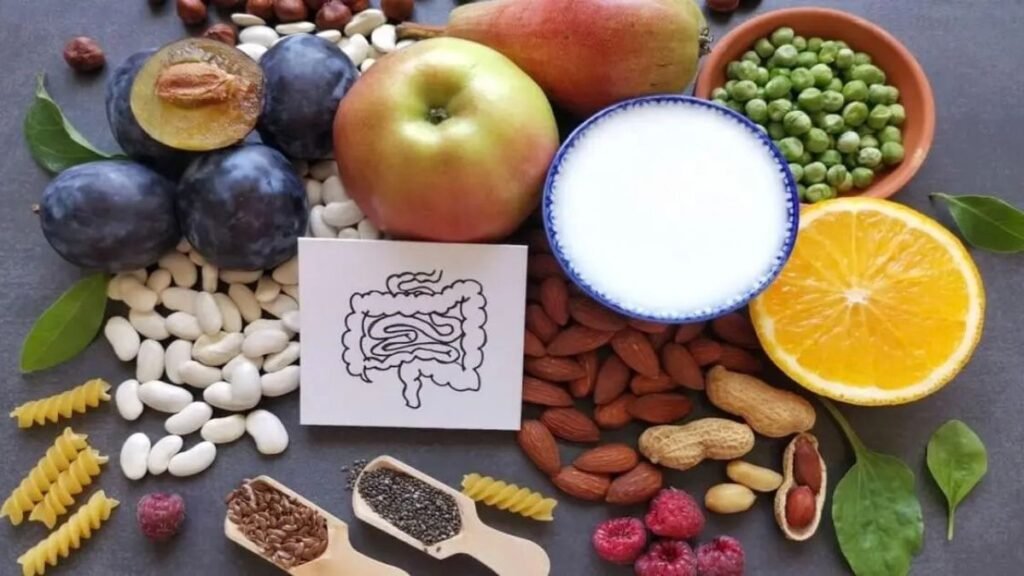
Cook vegetables until they become soft and tender. Try potatoes, carrots, squash, and zucchini. You can also prepare clear soups with rice, noodles, or tender chicken for a light and filling meal.
Avoid foods that trigger discomfort for you. Limit very spicy, greasy, or heavily seasoned meals when they bother your stomach. Eat small portions and drink enough fluids throughout the day.
Healthy Snacks and Desserts
Choose soft snacks that provide useful nutrients between meals. Greek yogurt, cottage cheese, mashed avocado, and ripe bananas make easy choices. You can also blend fruit with yogurt to create a smooth and filling snack.
Soft desserts can satisfy your sweet cravings without adding hard textures. Try chia pudding, baked apples, banana pudding, or soft oatmeal. Use fresh fruit to add natural sweetness and extra nutrients.
Prepare snacks with simple, wholesome ingredients. Add smooth nut butter to oatmeal or blend it into a smoothie. Choose soft textures and balanced ingredients to enjoy tasty snacks while supporting daily nutrition.
Tips for Preparing Soft Meals
Cook foods until they become tender and easy to chew. Steam, boil, bake, or slow-cook vegetables, grains, and proteins. Use enough liquid to keep meals moist and comfortable to eat.
Mash or blend foods when you need a smoother texture. Mash potatoes, bananas, beans, and cooked vegetables with a fork. Blend soups, fruits, and cooked ingredients to create smooth and creamy meals.
Add flavor without creating a harsh texture. Use mild herbs, soft sauces, and healthy oils to improve your meals. Cut food into small pieces and remove hard skins, seeds, and tough parts before serving.
Meal Planning and Portion Tips
Plan your soft meals before the week starts. Choose a mix of protein, fruits, vegetables, and whole grains. Prepare foods like oatmeal, soups, mashed vegetables, and tender chicken in advance to save time.
Build balanced portions for each meal. Add a protein source, a soft vegetable, and a healthy carbohydrate. Adjust the portion size based on your hunger, activity level, and personal nutrition needs.
Keep healthy snacks ready between meals. Store yogurt, ripe bananas, applesauce, smoothies, or cottage cheese for easy access. Prepare smaller portions when you want light snacks and avoid skipping meals when you need regular nourishment.
Soft Foods to Eat: Best Choices
Choose soft foods that give you both comfort and nutrition. Eggs, yogurt, oatmeal, mashed potatoes, ripe bananas, and cooked vegetables make useful choices. These foods offer protein, fiber, vitamins, and minerals while keeping meals easy to chew.
Add tender proteins and smooth foods to create filling meals. Try soft fish, shredded chicken, tofu, lentils, and cottage cheese. You can also blend fruits and vegetables into smoothies or soups for a quick and nutritious option.
Keep your meals varied and flavorful. Combine different soft ingredients throughout the day. Choose foods that match your personal needs and avoid any ingredients that cause discomfort. This approach can help you enjoy simple meals while meeting your daily nutrition needs.
Conclusion
Soft foods can make daily meals easier, comfortable, and nutritious. Choose options like eggs, yogurt, oatmeal, tender chicken, soft fruits, and cooked vegetables. These foods can provide important nutrients while keeping meals simple to eat.
Plan balanced meals and use gentle cooking methods to create soft textures. Add different protein sources, fruits, vegetables, and healthy fats to your meals. With simple choices, you can enjoy tasty soft meals that support your daily nutrition and wellness.
FAQs
1. What are some good soft foods to eat?
Eggs, yogurt, oatmeal, mashed potatoes, ripe bananas, soups, and tender fish make good choices.
2. What soft foods provide protein?
Choose scrambled eggs, Greek yogurt, cottage cheese, tofu, lentils, soft fish, and shredded chicken.
3. Are soft foods good after dental work?
Yes. Soft foods can reduce chewing and help you eat more comfortably.
4. What soft foods work well for breakfast?
Oatmeal, scrambled eggs, yogurt, smoothies, and mashed bananas make simple options.
5. How can I make regular foods softer?
Steam, boil, slow-cook, mash, or blend foods to create a softer texture.
Related Post

Food City Pharmacy for Convenient Health Care
A pharmacy provides medicines and health products for everyday needs. It also helps people manage…
One thought on “Healthy Soft Foods to Eat for Daily Nutrition and Wellness ”