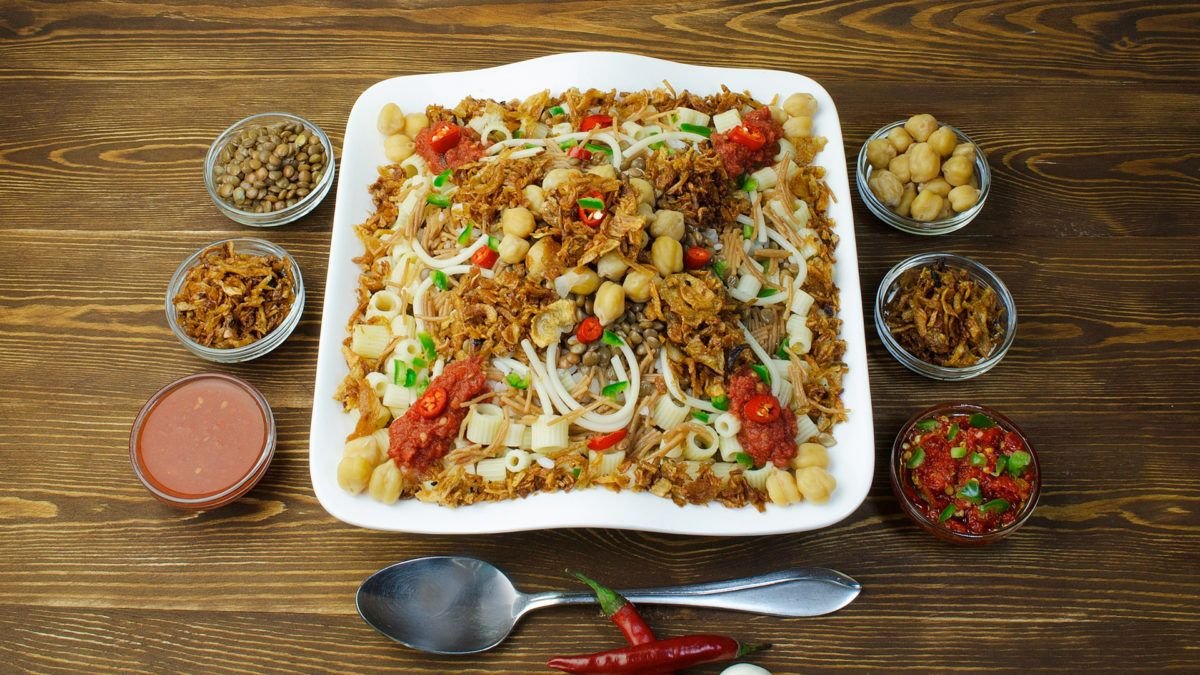

Delicious One-Pot Pasta Recipes for Everyone
flavoryplatter.com >> Uncategorized>> Delicious One-Pot Pasta Recipes for Everyone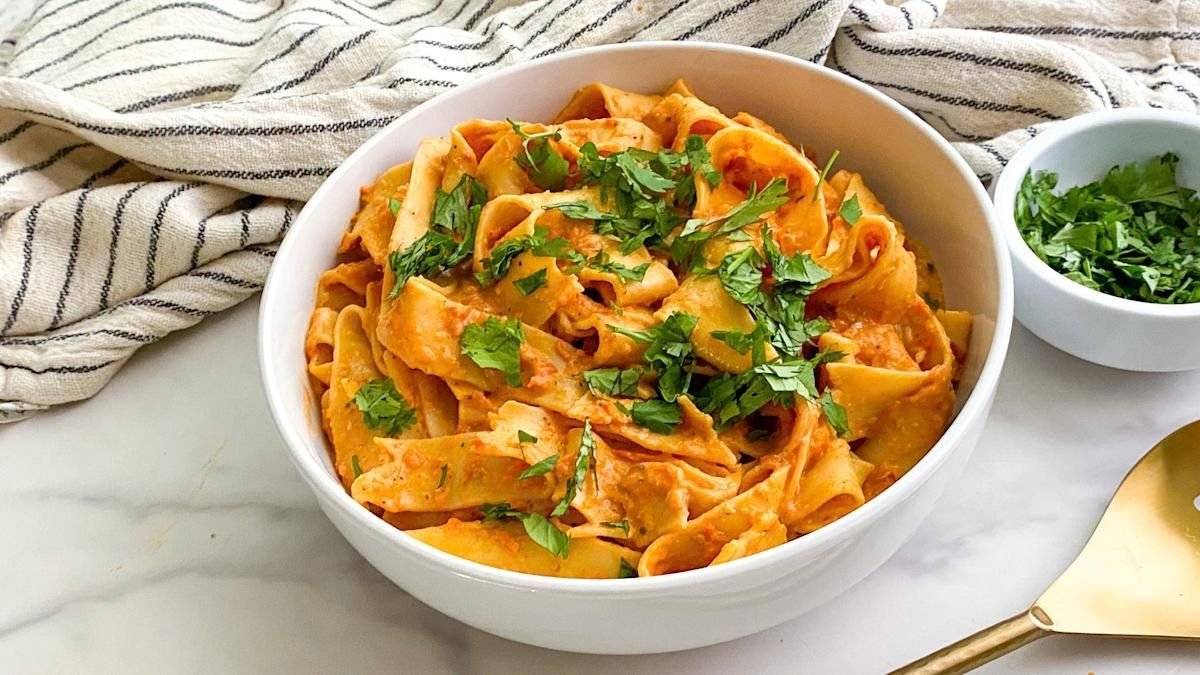
Delicious One-Pot Pasta Recipes for Everyone
One-pot pasta recipes combine pasta, sauce, vegetables, protein, and seasonings in one pot. This method saves time and reduces cleanup. You can cook a complete meal with simple ingredients and basic kitchen tools.
Busy days often make cooking feel like a chore. A warm bowl of flavorful pasta can solve that problem quickly. You can prepare a tasty dinner without using several pans or spending hours in the kitchen.
This guide explores delicious one-pot pasta recipes for different tastes and occasions. You will find creamy, cheesy, meaty, and vegetable-based options. These recipes can help you create quick and satisfying meals for the whole family.
What Makes One-Pot Pasta Easy
One-pot pasta makes cooking simple and fast. You cook the pasta, sauce, vegetables, and other ingredients in one pot. This method saves time and reduces kitchen cleanup.
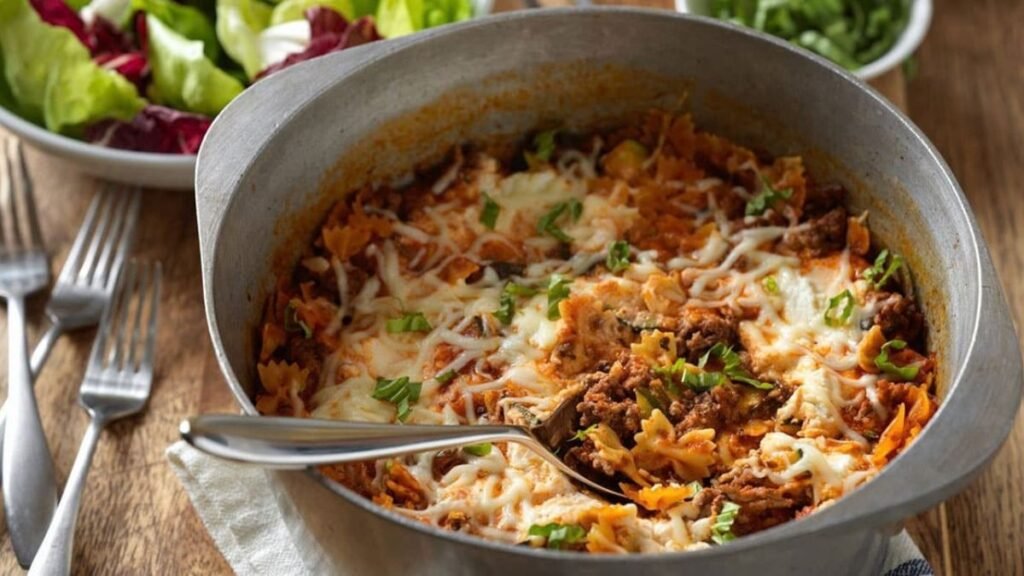
You can prepare these meals with basic ingredients. Add pasta, broth, sauce, vegetables, and seasonings to the pot. Then, stir the ingredients as they cook and let the pasta absorb the flavors.
One-pot cooking also helps you create flexible meals. You can add chicken, beef, beans, or fresh vegetables. You can also adjust the sauce and seasonings to match your taste.
Essential Ingredients to Use
One-pot pasta needs simple ingredients that build flavor and texture. Start with your favorite pasta and add a flavorful liquid, such as broth, tomato sauce, or cream. Add vegetables, herbs, and seasonings to create a balanced meal.
You can also add protein to make the dish more filling. Chicken, ground beef, shrimp, beans, and cheese work well. Choose fresh ingredients when possible, and adjust the amounts to match your recipe and taste.
| Ingredient | Best Options | Main Purpose |
| Pasta | Penne, spaghetti, shells, fusilli | Forms the main base |
| Broth | Chicken, beef, or vegetable broth | Adds moisture and flavor |
| Tomato Sauce | Crushed tomatoes, marinara, tomato paste | Creates a rich sauce |
| Cream | Heavy cream, cooking cream | Adds a smooth texture |
| Cheese | Parmesan, mozzarella, cheddar | Adds richness and flavor |
| Chicken | Breast, thighs, shredded chicken | Adds lean protein |
| Ground Meat | Beef, turkey, chicken | Creates a hearty meal |
| Shrimp | Fresh or frozen shrimp | Adds seafood flavor |
| Beans | Kidney beans, chickpeas, white beans | Adds plant-based protein |
| Spinach | Fresh baby spinach | Adds color and nutrients |
| Tomatoes | Cherry, diced, or canned tomatoes | Adds freshness and acidity |
| Bell Peppers | Red, green, or yellow peppers | Adds crunch and sweetness |
| Mushrooms | Button or cremini mushrooms | Adds savory flavor |
| Onion | Yellow, white, or red onion | Builds a flavorful base |
| Garlic | Fresh minced garlic | Adds strong savory flavor |
| Basil | Fresh or dried basil | Adds an aromatic taste |
| Oregano | Fresh or dried oregano | Adds herbal flavor |
| Black Pepper | Freshly ground pepper | Adds mild heat |
| Red Pepper Flakes | Crushed chili flakes | Adds spicy heat |
| Olive Oil | Extra-virgin olive oil | Adds richness and helps cook ingredients |
| Lemon Juice | Fresh lemon juice | Brightens the final dish |
| Parsley | Fresh chopped parsley | Adds freshness and color |
Best Pasta Shapes to Choose
Different pasta shapes create different textures in one-pot meals. Penne, fusilli, and shells work well because they hold sauce and seasonings. These shapes also cook evenly and make each bite flavorful.
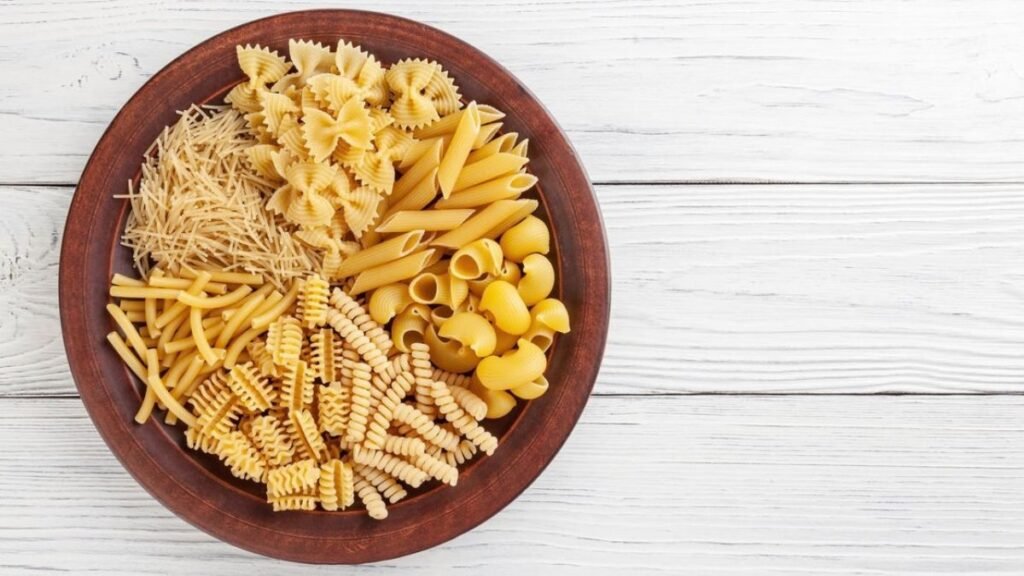
Spaghetti and linguine create a classic pasta texture. They work well with tomato, garlic, and creamy sauces. Break long pasta in half if your pot cannot hold the full length.
Small shapes also work well for quick meals. Macaroni, orzo, and small shells cook easily and blend with vegetables and protein. Choose a shape that matches your sauce and the ingredients you plan to add.
Sauces and Seasonings That Work
A good sauce gives one-pot pasta its main flavor. Tomato sauce creates a rich and slightly tangy taste. Cream, cheese, and pesto create smooth and creamy dishes. You can also use broth to build a light and savory base.
Seasonings add more depth to the pasta. Garlic, onion, basil, oregano, and black pepper work well with many sauces. Add red pepper flakes when you want extra heat. Use fresh herbs at the end to add a bright flavor.
Balance the sauce with the other ingredients. Add enough liquid to cook the pasta without making it watery. Stir the pot often so the sauce coats every piece. Taste the pasta before serving and adjust the salt and seasonings.
Creamy Pasta Variations
Creamy pasta creates a rich and comforting meal. Use cream, milk, or soft cheese to build a smooth sauce. Parmesan and mozzarella can add extra flavor and a thicker texture.
You can add chicken, shrimp, or mushrooms to creamy pasta. Spinach, broccoli, and peas also work well. These ingredients add color, flavor, and useful nutrients to the dish.
Season creamy pasta with garlic, black pepper, basil, or Italian herbs. Add a little lemon juice to balance the richness. Stir the sauce well and cook the pasta until it reaches a tender texture.
Protein-Packed Pasta Ideas
Protein makes pasta more filling and satisfying. You can add chicken, ground beef, turkey, or shrimp to your dish. These options pair well with tomato, creamy, and garlic-based sauces.
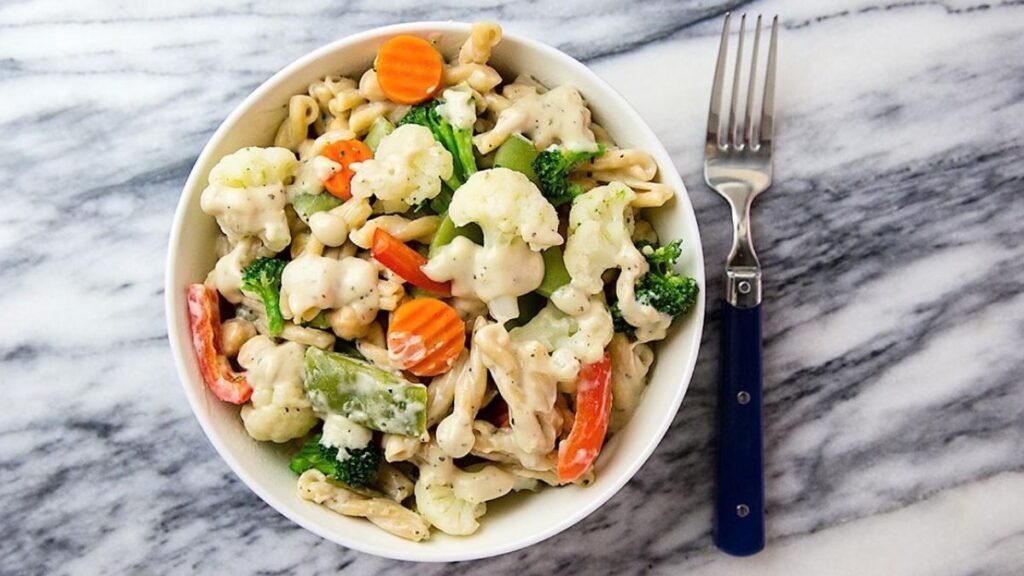
Beans and lentils offer simple plant-based choices. Add chickpeas, kidney beans, or white beans to your pasta. You can also add tofu for a different texture and extra protein.
Choose protein based on your taste and cooking time. Cut meat into small pieces so it cooks evenly with the pasta. Add cooked beans or shredded chicken near the end to keep their texture and flavor.
Fresh Vegetable Pasta Options
Fresh vegetables add color, flavor, and texture to one-pot pasta. Tomatoes, spinach, bell peppers, zucchini, and broccoli work well in many recipes. Chop the vegetables into small pieces so they cook evenly with the pasta.
You can mix different vegetables to create a balanced meal. Mushrooms add a savory taste, while peas add mild sweetness. Spinach cooks quickly, so add it near the end to keep its fresh texture.
Season the vegetables with garlic, black pepper, basil, or oregano. Add olive oil for extra richness. You can also finish the pasta with fresh parsley or a little lemon juice for a bright flavor.
Cooking Methods for Perfect Pasta
Start by adding the pasta, liquid, sauce, and seasonings to one pot. Bring the mixture to a gentle boil. Stir the pasta often to prevent sticking and help it cook evenly.
Keep the heat at a medium or medium-low level as the pasta cooks. Check the pasta regularly for texture. Add a little more broth or water if the pot becomes too dry before the pasta turns tender.
Let the pasta rest for a few minutes after cooking. This allows the sauce to thicken and coat the pasta better. Taste the dish, adjust the seasonings, and serve it while it stays warm.
Common Mistakes to Avoid
Adding too much liquid can make the pasta watery. Measure the broth, sauce, or water carefully. Start with a smaller amount and add more liquid when needed.
Skipping regular stirring can cause pasta to stick together. Stir the ingredients often while they cook. Also, avoid using very high heat because it can burn the sauce before the pasta becomes tender.
Adding all ingredients at the wrong time can affect the final texture. Add quick-cooking vegetables near the end. Check the pasta before serving and adjust the seasoning to create a balanced flavor.
How to Adjust Pasta Texture
Check the pasta often as it cooks. Cook it for less time if you prefer a firm, chewy texture. Cook it a little longer if you want softer pasta. Stir the pot regularly to cook each piece evenly.
Control the liquid to change the final texture. Add a small amount of broth or water if the pasta looks dry. Let the pasta cook uncovered for a few minutes if the sauce looks too thin.
Let the pasta rest briefly after cooking. The pasta will absorb some of the remaining sauce as it sits. Stir it well before serving to create a smooth and even texture.
Storage and Reheating Tips
Let the pasta cool slightly before storing it. Place leftovers in an airtight container. Store the container in the refrigerator and use the pasta within a few days for the best quality.
Add a small amount of water, broth, or sauce before reheating. This helps restore moisture and prevents the pasta from becoming dry. Reheat it gently on the stovetop or in the microwave.
Stir the pasta during reheating to distribute the heat evenly. Check that the center becomes hot before serving. Avoid reheating the same portion repeatedly because repeated heating can reduce the pasta’s texture and quality.
Easy Serving and Garnishing Ideas
Serve one-pot pasta while it stays warm and fresh. Spoon the pasta into bowls or plates and add a little extra sauce. Serve it with garlic bread, a simple salad, or roasted vegetables for a complete meal.
Use fresh garnishes to add color and flavor. Sprinkle chopped parsley or basil over the pasta. Add grated Parmesan, mozzarella, or a small amount of red pepper flakes for extra taste.
You can also add a finishing touch with olive oil or lemon juice. Keep the garnish simple so it complements the main dish. Serve the pasta immediately for the best texture and flavor.
One Pot Pasta Recipes for Everyone
One-pot pasta recipes offer easy meal options for different tastes. You can prepare creamy, tomato-based, cheesy, or garlic pasta with simple ingredients. Each recipe can bring rich flavor without creating a pile of dishes.
You can also customize pasta for your family. Add chicken, shrimp, beef, beans, or fresh vegetables for more variety. Choose mild seasonings for kids or add chili flakes when you want extra heat.
These recipes work well for busy weeknights and casual family meals. You can use ingredients you already have in your kitchen. With the right pasta, sauce, and seasonings, you can create a warm and satisfying meal in one pot.
Conclusion
One-pot pasta makes home cooking easier and faster. You can combine pasta, sauce, protein, vegetables, and seasonings in one pot. This method saves time and makes cleanup simple.
You can also adjust each recipe to match your taste. Try different pasta shapes, sauces, and fresh ingredients. With simple steps, you can create delicious meals that bring comfort and flavor to your table.
FAQs
1. What pasta works best for one-pot recipes?
Penne, fusilli, shells, and macaroni cook well and hold sauce nicely.
2. Can I add vegetables to one-pot pasta?
Yes. Add spinach, tomatoes, broccoli, peppers, mushrooms, or peas for extra flavor and nutrients.
3. How do I stop one-pot pasta from becoming watery?
Measure the liquid carefully and cook the pasta uncovered when you need to thicken the sauce.
4. Can I add meat to one-pot pasta?
Yes. Add chicken, beef, turkey, or shrimp to create a more filling meal.
5. How should I store leftover pasta?
Place cooled pasta in an airtight container and refrigerate it. Add a little sauce or broth when reheating.
Related Post

Food City Pharmacy for Convenient Health Care
A pharmacy provides medicines and health products for everyday needs. It also helps people manage…