

Food-Grade Mineral Oil for Kitchen Care
flavoryplatter.com >> Uncategorized>> Food-Grade Mineral Oil for Kitchen Care
Food-Grade Mineral Oil for Kitchen Care
Food-grade mineral oil is a refined oil that helps care for certain kitchen surfaces and tools. People commonly use it on wooden cutting boards, butcher blocks, and wooden utensils. It helps wood resist moisture and stay smooth.
Wooden kitchen items face water, food, and daily use. Poor care can leave wood dry, rough, or cracked. Mineral oil gives these items a simple layer of protection and helps maintain their condition.
Apply the oil only to clean and completely dry wood. Regular treatment can keep wooden surfaces conditioned and reduce moisture absorption. Always check the label and select a product made for food-contact use.
What Is Food-Grade Mineral Oil
Food-grade mineral oil is a highly refined oil with no strong taste or smell. Manufacturers refine it for suitable food-contact applications. Many people use it to maintain wooden kitchen tools and surfaces.

The oil enters the small pores in wood and helps limit moisture absorption. It can keep the surface from becoming overly dry. Regular use also helps maintain a smooth and cared-for finish.
You can use suitable food-grade mineral oil on wooden cutting boards, butcher blocks, and utensils. Always read the product label before use. Never replace food-grade oil with an industrial mineral oil.
How Mineral Oil Works
Mineral oil penetrates the pores of wood instead of forming a hard surface coating. It helps reduce the amount of moisture that enters the wood. This action supports better everyday wood care.
The oil helps keep wooden surfaces from drying too quickly. It can also help reduce roughness and minor surface problems. Regular treatment keeps frequently used wooden tools in better shape.
Unlike drying wood finishes, mineral oil remains within the wood. It provides conditioning rather than creating a hard film. Reapply it when the wood starts to look dry or feels rough.
Common Kitchen Uses
Wooden cutting boards can benefit from regular mineral oil treatment. The oil conditions the board and helps limit moisture absorption. This simple step can keep the surface smoother between uses.
Butcher blocks and suitable wooden countertops can also need regular conditioning. These surfaces often encounter water and food during daily tasks. Mineral oil can help maintain their natural appearance and condition.
Wooden spoons, spatulas, and similar tools can also receive this treatment. Apply a light layer to clean, dry wood. Allow the oil to absorb, then remove any excess before use.
Benefits for Wooden Tools
Mineral oil helps condition wooden kitchen tools and reduce moisture absorption. It can keep spoons and utensils from becoming excessively dry. Proper care can also support their long-term use.
The oil can enhance the natural appearance of wood without creating a heavy coating. It fills the wood pores and leaves the surface feeling smoother. Regular treatment can help reduce dry and rough areas.
Well-conditioned wood can handle routine cleaning more easily. It absorbs less moisture than untreated, dry wood. Regular oiling helps you maintain wooden tools with simple care.
Cutting Board Care
Apply food-grade mineral oil to a clean, dry wooden cutting board. Spread the oil across the surface and allow the wood to absorb it. Wipe off any remaining oil before you use the board.
Wash the board with mild soap and warm water after use. Do not leave the board submerged in water. Avoid using a dishwasher, and always dry the board thoroughly.
Inspect the board regularly for dull, dry, or rough areas. These signs can indicate that the wood needs another application. Consistent care helps maintain a smooth and usable cutting surface.
Mineral Oil vs Other Oils
Food-grade mineral oil offers an advantage for wooden kitchen care because it does not behave like typical cooking oils. Many cooking oils can become rancid as they age. Dedicated food-safe wood-care products can therefore offer a more suitable option for regular conditioning.
Different oils and wood finishes have different purposes and safety requirements. The table below gives a simple comparison, but always check the product label before using any finish on a food-contact surface.
| Oil or Finish | Typical Purpose | Food-Contact Use | Drying Behavior | Common Application |
| Food-grade mineral oil | Wood conditioning | Suitable when labeled for food contact | Non-drying | Cutting boards, wooden utensils |
| Beeswax and mineral oil blend | Wood conditioning and surface protection | Suitable when all ingredients are food-safe | Mostly non-drying | Cutting boards, butcher blocks |
| Pure tung oil | Wood finishing | Use only when specifically labeled for food-contact use | Drying finish | Certain wooden surfaces |
| Raw linseed oil | Traditional wood finishing | Check product suitability carefully | Slow-drying | Wood finishing |
| Olive oil | Cooking | Not generally recommended for long-term wood conditioning | Non-drying | Food preparation |
| Vegetable oil | Cooking | Not generally recommended for long-term wood conditioning | Non-drying | Food preparation |
| Walnut oil | Cooking and some wood-care applications | Check label and allergy considerations | Varies by product | Wood care or cooking |
| Coconut oil | Cooking and limited wood care | Product suitability varies | Can remain oily | Cooking and some wood-care uses |
Butcher Block Protection
Food-grade mineral oil can help condition butcher blocks and reduce moisture absorption. The oil moves into the wood pores and supports a smoother surface. Regular care can help maintain the block during everyday kitchen use.
Clean the butcher block before applying oil. Let the wood dry completely first. Spread the oil over the surface and give it enough time to soak in. Then remove the excess with a clean cloth.
Watch for dry, faded, or rough areas on the block. These signs can tell you when the wood needs more conditioning. Regular treatment helps maintain the surface and reduce moisture-related wear.
How to Apply Mineral Oil
Begin with a clean and completely dry wooden surface. Wash the item with mild soap and water when needed. Allow all moisture to leave the wood before you apply the oil.
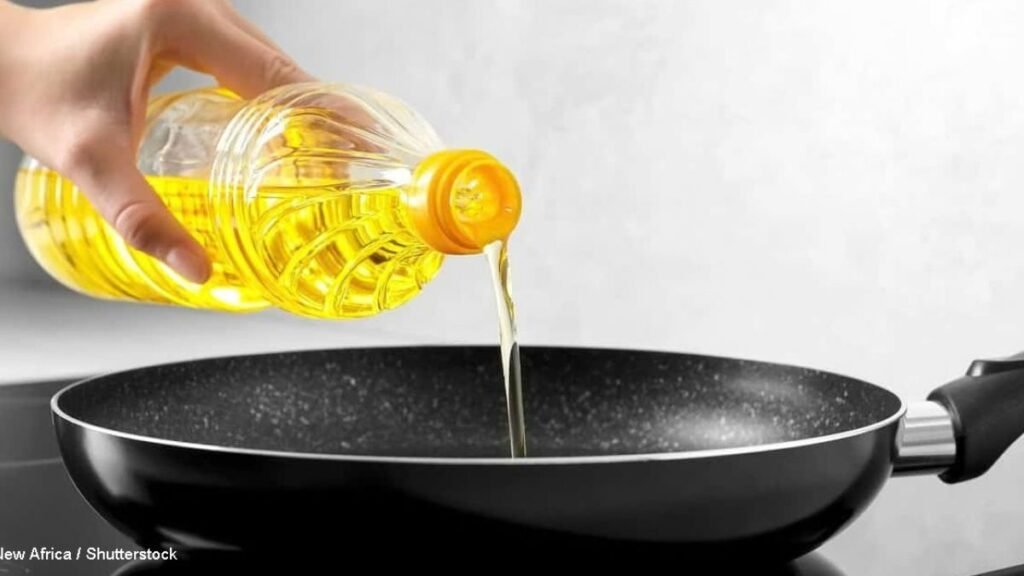
Pour a small amount of food-grade mineral oil onto the surface. Use a clean cloth to spread an even layer over the wood. Cover the main surface, edges, and sides when appropriate. Allow the wood to absorb the oil.
After the wood absorbs the oil, wipe away any excess. Do not leave a heavy oily layer on the surface. Let the item rest as directed on the product label before returning it to regular use.
When to Reapply Oil
Look at your wooden items regularly. Dry patches, a dull appearance, or a rough texture can signal that the wood needs more oil. These changes often become easier to notice with regular use.
Clean and dry the item before each new application. Spread the oil evenly across the wood. Allow it to penetrate, then wipe away any remaining excess.
Frequently used cutting boards may need more frequent conditioning. Less-used wooden items may need treatment less often. Let the condition of the wood guide your routine and follow the product directions.
Choosing the Right Product
Look for mineral oil that clearly identifies itself as food-grade or suitable for food-contact surfaces. Read the label carefully before purchasing. Choose a product intended for kitchen wood care when possible.

Avoid industrial mineral oils and products that do not identify a suitable food-contact use. Also check whether the product contains added ingredients. A simple formula can make product selection easier.
Read the manufacturer’s instructions before applying the oil. Follow the recommended application method and storage directions. Keep the container sealed when you finish using it.
Food Safety Considerations
Select a mineral oil that the manufacturer identifies as suitable for food-contact applications. Do not assume that every mineral oil meets the same standard. Check the packaging before using it on kitchen surfaces.
Clean the wooden item before applying oil. Let it dry completely to avoid trapping moisture. Apply the product according to its label and remove excess oil when instructed.
Keep the oil container clean and closed between uses. Store it according to the manufacturer’s directions. Avoid using products that lack clear information about their intended kitchen use.
Common Care Mistakes
Using too much oil can leave a greasy surface and waste the product. Apply a thin, even layer instead. Let the wood absorb the oil and remove any excess.
Do not oil dirty or damp wood. Food residue can interfere with proper care, while excess moisture can affect the treatment. Clean the item first and let it dry fully.
Another mistake involves choosing the wrong product. Never use an industrial wood treatment simply because it contains mineral oil. Check the label and choose a product intended for food-contact use.
Storage and Handling Tips
Keep food-grade mineral oil in a clean, dry storage area. Close the bottle tightly after every use. Follow the manufacturer’s recommended storage conditions.
Use clean hands and a clean cloth when handling the oil. Avoid contaminating the bottle opening during application. This simple habit helps keep the product clean.
Keep the container away from children and pets. Check the label for specific storage instructions. If the product shows unusual changes, follow the manufacturer’s guidance before using it.
Conclusion
Food-grade mineral oil provides a simple way to condition suitable wooden kitchen items. It helps reduce moisture absorption and supports a smoother surface. Use it on clean, dry wood and follow the product directions.
Regular care can help you maintain cutting boards, butcher blocks, and wooden utensils. Choose a product clearly labeled for food-contact use. With proper application and storage, you can keep your wooden kitchen tools in good condition.
FAQs
1. What is food-grade mineral oil used for?
It conditions suitable wooden kitchen items and helps reduce moisture absorption. It is commonly used on cutting boards and butcher blocks.
2. How often should I apply mineral oil?
Apply it when the wood looks dry, dull, or feels rough. Usage frequency depends on the item and how often you use it.
3. Can I use mineral oil on cutting boards?
Yes, if the product is specifically labeled as suitable for food-contact use. Follow the manufacturer’s directions for application.
4. Should I wipe off extra mineral oil?
Yes. Allow the wood to absorb the oil, then wipe away excess oil as directed by the product instructions.
5. Can I use any mineral oil on kitchen items?
No. Select a mineral oil specifically identified as food-grade or suitable for food-contact use. Avoid industrial products.
Related Post

Easy Gluten-Free Pizza Crust Recipe Without Complicated Steps
A gluten-free pizza crust uses gluten-free flour instead of regular wheat flour. It gives people…
One thought on “Food-Grade Mineral Oil for Kitchen Care”