
Popular Indian Food Dishes from Different Regions of India
flavoryplatter.com >> Uncategorized>> Popular Indian Food Dishes from Different Regions of India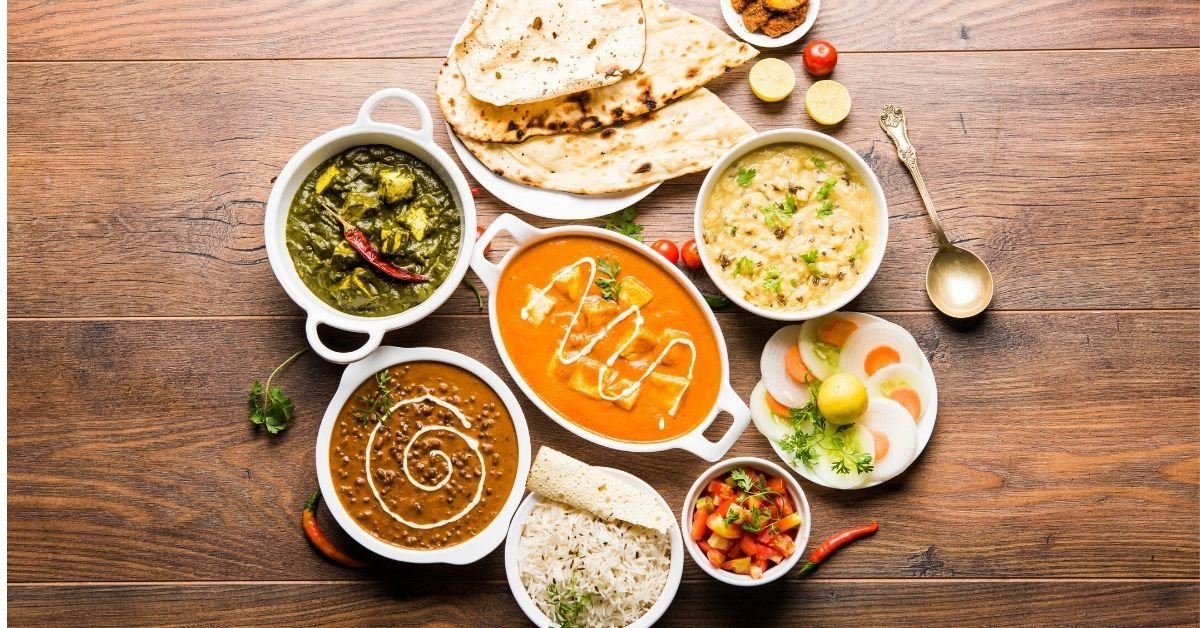
Popular Indian Food Dishes from Different Regions of India
Indian food includes many dishes, flavors, and cooking styles from across India. To begin with, it often uses spices, herbs, vegetables, rice, lentils, meat, and dairy products. However, the ingredients and recipes can change from one region to another.
Indian cuisine is much more than curry. For example, some areas serve spicy street food, while others offer mild and creamy dishes. In addition, every meal tells a story about local culture, climate, and family traditions.
In this guide, you will discover popular Indian food dishes from different regions of India, and in particular, you will learn about northern curries, southern rice dishes, coastal seafood, regional breads, snacks, and sweets. As a result, you will gain a better understanding of India’s diverse food culture.
What Is Indian Food?
Indian food refers to the many dishes and cooking styles found across India. Generally, it includes rice, bread, vegetables, lentils, meat, seafood, herbs, and spices. However, the ingredients often change from one region to another.
People know Indian cooking for its rich flavors and colorful meals. For instance, common spices include cumin, turmeric, coriander, cardamom, and chili. Together, these spices add warmth, aroma, color, and depth to different dishes.
Indian food can be mild, sweet, tangy, or spicy. Moreover, many meals include curries, flatbreads, rice dishes, snacks, and desserts. Because of this wide variety, Indian cuisine has become popular around the world.
History of Indian Cuisine
Indian cuisine has a history of thousands of years. In ancient times, early communities used grains, lentils, vegetables, herbs, and local spices. At the same time, cooking methods developed according to the climate and available ingredients.
Later, trade brought new foods and flavors to India. For example, traders introduced items such as chilies, tomatoes, and potatoes. In addition, Persian and Central Asian influences helped shape rice dishes, kebabs, and rich curries.
Over time, every region created its own food traditions. Furthermore, religious beliefs, local crops, and royal kitchens influenced many recipes. Today, Indian cuisine combines ancient traditions with modern cooking styles. As a result, it remains one of the most varied and flavorful cuisines in the world.
Common Spices and Ingredients
Indian cooking uses many fragrant spices. Cumin, turmeric, coriander, cardamom, and chili are common choices. Each spice adds a different color, aroma, and taste.
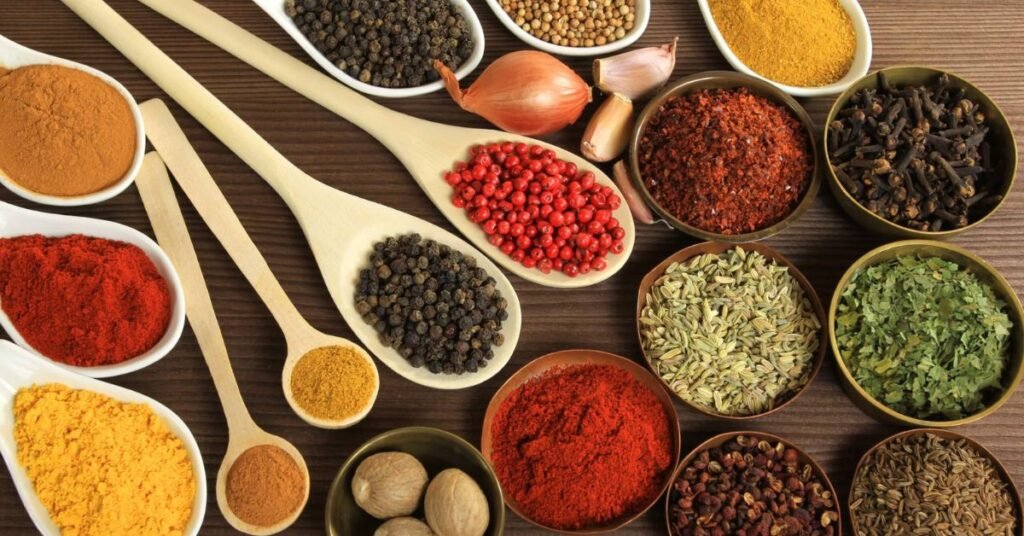
People also widely use rice, lentils, wheat flour, vegetables, and dairy products. Yogurt, cream, butter, and paneer add richness to many dishes. Garlic, ginger, onions, and tomatoes often form the base of curries.
Ingredients can change from one region to another. Coastal areas often use coconut and seafood. Northern dishes may include more wheat, dairy, and warming spices.
Regional Cooking Styles
India has many regional cooking styles. Each area uses local crops, spices, and traditional methods. Climate, religion, and culture also shape the food. This is why dishes can taste very different across the country.
Northern meals often include bread, dairy, and rich gravies. Southern cooking uses more rice, lentils, coconut, and curry leaves. Coastal regions serve fresh seafood, while western and eastern areas offer many sweet, spicy, and tangy dishes.
Table
| Region | Common Areas | Main Ingredients | Cooking Style | Popular Dishes | Typical Flavors |
| North India | Punjab, Delhi, Haryana, Uttar Pradesh | Wheat, dairy, lentils, meat | Tandoor cooking, slow-cooked curries, frying | Butter chicken, chole, dal makhani, paratha | Rich, creamy, and spicy |
| South India | Tamil Nadu, Kerala, Karnataka, Andhra Pradesh | Rice, lentils, coconut, tamarind | Steaming, fermenting, tempering, frying | Dosa, idli, sambar, rasam | Tangy, spicy, and aromatic |
| East India | West Bengal, Odisha, Bihar, Jharkhand | Rice, fish, mustard oil, vegetables | Steaming, frying, and light cooking | Fish curry, litti chokha, dalma | Mild, fresh, and slightly sweet |
| West India | Gujarat, Maharashtra, Goa, Rajasthan | Grains, vegetables, coconut, seafood | Dry cooking, frying, roasting, and slow cooking | Dhokla, pav bhaji, vindaloo, dal baati | Sweet, spicy, sour, and bold |
| Central India | Madhya Pradesh, Chhattisgarh | Wheat, rice, lentils, corn | Roasting, frying, and simple home cooking | Poha, bhutte ka kees, fara | Mild, earthy, and comforting |
| Northeast India | Assam, Nagaland, Manipur, Mizoram | Rice, meat, bamboo shoots, herbs | Boiling, steaming, smoking, and fermenting | Smoked pork, thukpa, fish tenga | Fresh, smoky, and lightly spiced |
| Punjab | Punjab | Wheat, butter, cream, lentils | Tandoor cooking and slow simmering | Sarson da saag, makki di roti, paneer tikka | Rich, buttery, and smoky |
| Rajasthan | Rajasthan | Millet, lentils, dried vegetables | Roasting, frying, and slow cooking | Gatte ki sabzi, ker sangri, dal baati churma | Spicy, dry, and earthy |
| Gujarat | Gujarat | Lentils, vegetables, wheat, yogurt | Steaming and light tempering | Thepla, undhiyu, khandvi | Sweet, tangy, and mild |
| Maharashtra | Maharashtra | Rice, millet, peanuts, coconut | Frying, roasting, and tempering | Vada pav, misal pav, puran poli | Spicy, sweet, and tangy |
| Goa | Goa | Seafood, coconut, rice, vinegar | Grilling, frying, and curry cooking | Fish curry, prawn balchao, vindaloo | Sour, spicy, and coastal |
| Kerala | Kerala | Coconut, rice, seafood, spices | Steaming, frying, and coconut-based cooking | Appam, avial, fish molee | Mild, creamy, and aromatic |
| Tamil Nadu | Tamil Nadu | Rice, lentils, tamarind, curry leaves | Fermenting, steaming, and tempering | Pongal, dosa, sambar, chettinad curry | Spicy, tangy, and fragrant |
| Andhra Pradesh | Andhra Pradesh | Rice, chilies, tamarind, lentils | Pickling, frying, and curry cooking | Pulihora, gongura curry, pesarattu | Hot, sour, and bold |
| Karnataka | Karnataka | Rice, lentils, coconut, millet | Steaming, roasting, and tempering | Bisi bele bath, ragi mudde, neer dosa | Mild, spicy, and slightly sweet |
| West Bengal | West Bengal | Rice, fish, mustard oil, sweets | Steaming, frying, and mustard-based cooking | Shorshe ilish, kosha mangsho, rasgulla | Mild, mustardy, and sweet |
| Odisha | Odisha | Rice, lentils, vegetables, seafood | Steaming and light seasoning | Dalma, pakhala bhata, chhena poda | Simple, mild, and balanced |
| Bihar | Bihar | Wheat, rice, lentils, roasted gram | Roasting, baking, and frying | Litti chokha, sattu paratha, thekua | Smoky, earthy, and mildly spicy |
| Assam | Assam | Rice, fish, herbs, bamboo shoots | Boiling, steaming, and light cooking | Masor tenga, khar, duck curry | Light, sour, and fresh |
| Kashmir | Jammu and Kashmir | Rice, meat, yogurt, dried spices | Slow cooking and simmering | Rogan josh, yakhni, dum aloo | Warm, aromatic, and rich |
North Indian Dishes
North Indian dishes are known for rich flavors and filling ingredients. Wheat, lentils, dairy products, vegetables, and meat are commonly used. Many meals are served with naan, roti, or paratha.
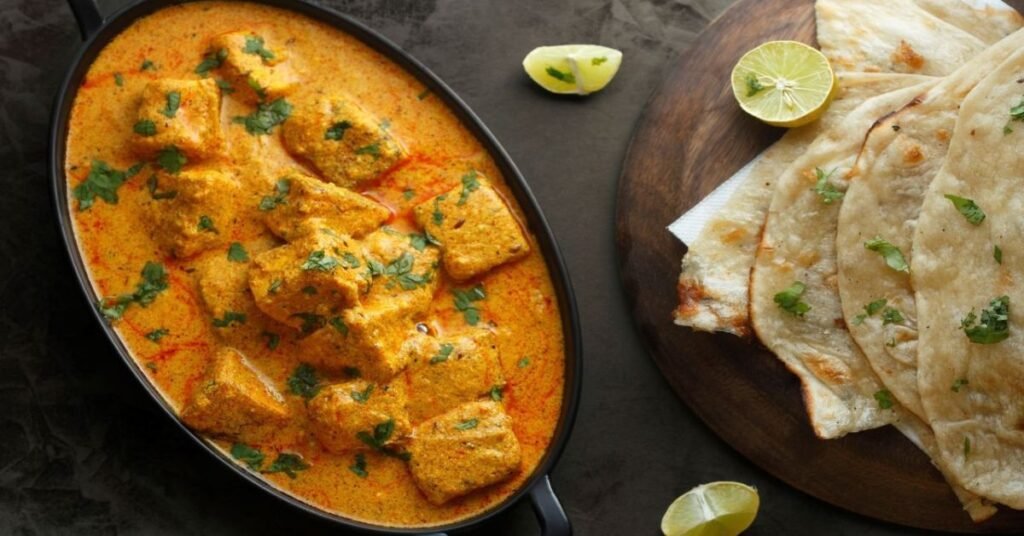
Popular dishes include butter chicken, chole, dal makhani, palak paneer, and rajma. People also widely enjoy tandoori chicken and kebabs. These foods often use cumin, coriander, garam masala, ginger, and garlic.
Some dishes are creamy and mild, while others are hot and spicy. Yogurt, butter, cream, and paneer add a smooth texture. People often serve North Indian food with rice, fresh salad, chutney, or pickles.
South Indian Dishes
Fresh flavors and simple ingredients make South Indian dishes special. Cooks widely use rice, lentils, coconut, tamarind, and curry leaves. Many meals are light, filling, and easy to enjoy.
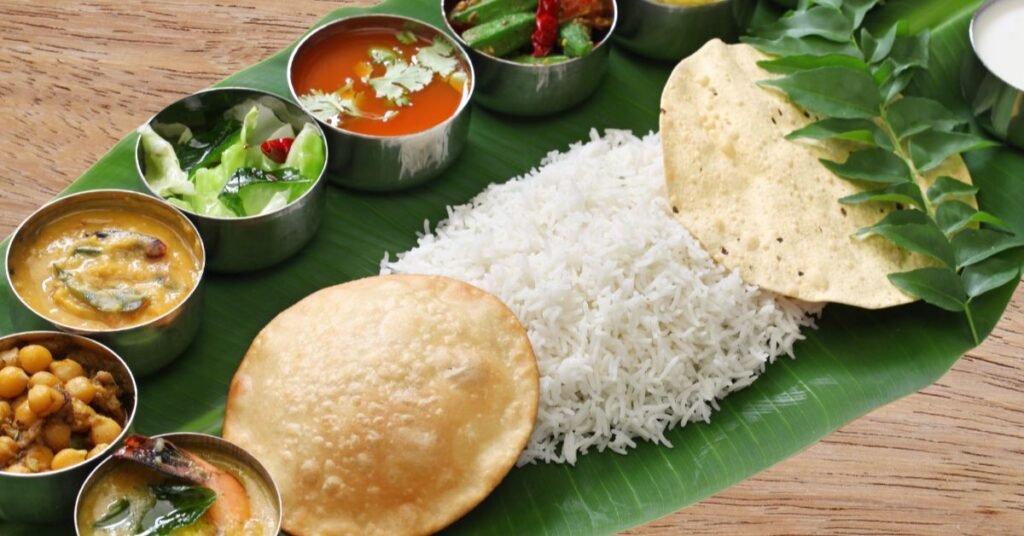
Popular dishes include dosa, idli, sambar, rasam, and uttapam. People also enjoy lemon rice, curd rice, and coconut rice. People often serve these dishes with chutney or vegetable curry.
Some South Indian foods are mild, while others are hot and tangy. Mustard seeds, dried chilies, and curry leaves add extra flavor. Each southern state has its own special recipes and cooking traditions.
Popular Rice Dishes
Rice is an important part of many meals in India. People can cook it with vegetables, meat, lentils, or spices. Each region has its own special rice dishes.
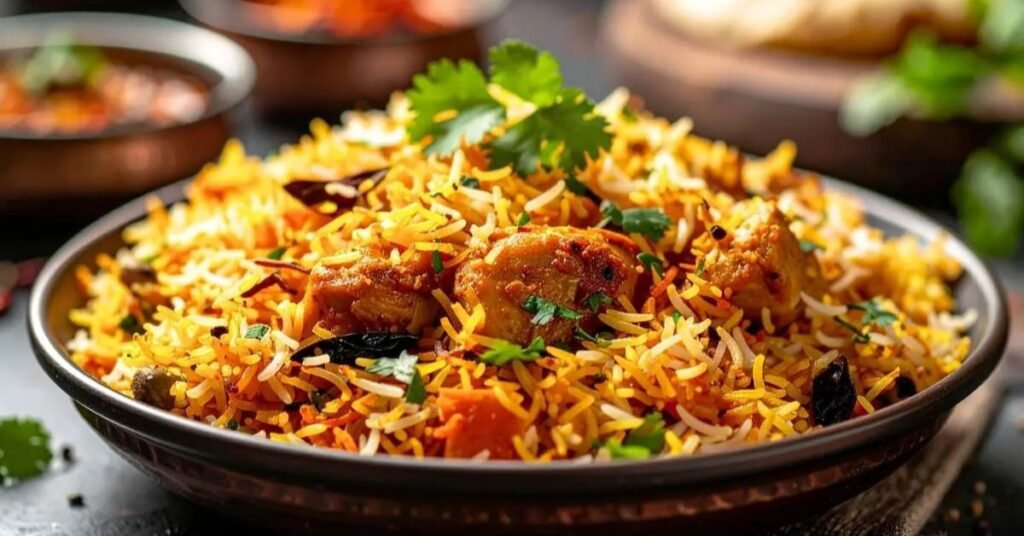
Biryani is one of the most popular choices. Cooks prepare it with fragrant rice, spices, and chicken, meat, or vegetables. Pulao is another favorite and usually has a lighter taste.
Other common dishes include lemon rice, curd rice, coconut rice, and jeera rice. Cooks prepare khichdi with rice and lentils. People often serve these dishes with curry, yogurt, chutney, or pickles.
Traditional Indian Breads
Traditional Indian breads are an important part of many meals. To begin with, cooks make them from wheat flour, millet, corn, or refined flour. In many homes, people prepare fresh bread every day. Usually, they serve these breads warm with curries, lentils, vegetables, or meat dishes.
Roti and chapati are common everyday breads. On the other hand, naan is softer and usually cooks inside a hot clay oven. Similarly, cooks prepare paratha by creating several layers of dough. In addition, they may fill it with potatoes, paneer, cauliflower, or other ingredients.
Besides these options, popular breads include puri, bhatura, kulcha, and makki di roti. While cooks bake some breads, they fry or cook others on a flat pan. Therefore, each bread develops a different texture and taste. As a result, Indian breads can be soft, crisp, fluffy, or slightly chewy.
Vegetarian Dishes
Vegetarian dishes are a major part of Indian cuisine. In general, cooks prepare them with vegetables, lentils, beans, paneer, and fresh herbs. Moreover, they often add different spices to create deep flavors. Because of this, many vegetarian recipes are healthy, filling, and enjoyable.
For example, popular choices include palak paneer, chana masala, aloo gobi, and dal tadka. In addition, cooks prepare rajma with kidney beans, while they make baingan bharta with roasted eggplant. Likewise, they use lentils to prepare many types of dal. Usually, people serve these dishes with rice, naan, roti, or paratha.
Indian vegetarian meals can be mild, spicy, creamy, or tangy. For instance, cumin, turmeric, coriander, and garam masala add warmth and aroma. At the same time, tomatoes, yogurt, lemon, and tamarind may add sweetness or tanginess. Furthermore, people often serve yogurt, chutney, salad, and pickles on the side. Together, these foods create a balanced and satisfying meal.
Meat and Seafood Dishes
Meat and seafood dishes are popular in many parts of India. For instance, cooks commonly use chicken, lamb, goat, fish, and prawns. First, they may marinate the meat with yogurt, herbs, and spices. Afterward, they cook it in flavorful sauces or grill it over high heat.
Popular meat dishes include butter chicken, chicken tikka, rogan josh, and mutton curry. In particular, cooks prepare tandoori chicken in a hot clay oven. Similarly, they grill kebabs and often serve them with mint chutney. Meanwhile, slow cooking helps dishes such as rogan josh develop a rich taste and tender texture.
On the other hand, coastal regions are especially famous for fish and seafood recipes. For example, fish curry, prawn masala, and Goan fish curry are common choices. In many coastal dishes, cooks also use coconut, tamarind, mustard, or curry leaves. Finally, people often serve these dishes with rice, bread, salad, or pickles.
Street Food and Snacks
Indian street food is known for bold flavors and fresh ingredients. Generally, vendors sell it at busy markets, roadside stalls, and small food shops. Because it is prepared quickly, people can enjoy it while shopping, travelling, or meeting friends. In addition, many snacks are affordable and easy to eat.
For example, popular choices include samosas, pakoras, pani puri, and chaat. In Mumbai, vada pav is one of the most famous street foods. Meanwhile, people across India also enjoy dhokla, kachori, aloo tikki, and bhel puri. Although these snacks differ in taste, they often combine several textures and flavors.
These foods can be spicy, sweet, sour, salty, or crispy. Moreover, chutneys, yogurt, onions, lemon juice, and fresh herbs add extra flavor. Sometimes, vendors also add crunchy sev or roasted spices on top. As a result, every bite can taste different. Above all, people often serve street food hot and enjoy it with friends or family.
Desserts and Drinks
Indian desserts are often sweet, rich, and full of flavor. To prepare them, cooks commonly use milk, sugar, nuts, flour, ghee, and spices. In addition, they may add saffron, cardamom, coconut, or rose water. Because of their special taste, families often prepare these sweets for festivals, weddings, and other celebrations.
For instance, popular desserts include gulab jamun, jalebi, kheer, and rasgulla. Likewise, people across India enjoy barfi, ladoo, halwa, and kulfi. While gulab jamun is soft and soaked in syrup, jalebi is crisp and sweet. Furthermore, cardamom, saffron, and rose water give many of these treats a pleasant aroma.
Popular drinks include masala chai, lassi, and fresh lime water. While mango lassi is sweet, thick, and creamy, salted lassi is light and refreshing. Similarly, masala chai combines tea, milk, sugar, and warm spices. During hot weather, people may choose fresh lime water or chilled lassi. Finally, they often serve these drinks with meals, desserts, or snacks.
Conclusion
Indian cuisine offers a wide range of flavors, ingredients, and cooking styles. To begin with, every region has its own special dishes and traditional methods. For example, northern areas are known for rich curries, while southern regions offer lighter rice and lentil dishes. Likewise, coastal areas prepare many fresh seafood recipes. As a result, Indian cuisine provides something for almost every taste.
In addition, Indian meals are closely connected to culture, family, festivals, and tradition. Moreover, many recipes pass from one generation to the next. Therefore, trying different regional foods is a wonderful way to learn more about India. At the same time, it allows people to discover new spices, ingredients, and cooking techniques. Above all, each dish brings a unique taste, history, and story to the table. In conclusion, Indian cuisine is diverse, colorful, and enjoyable.
FAQs
1. What is the most popular Indian food?
Biryani, butter chicken, samosas, dosa, and naan are some of the most popular Indian foods. However, their popularity may vary from one region to another. For instance, dosa is especially popular in southern India, while butter chicken is strongly linked with northern cuisine.
2. Is all Indian food spicy?
No, not every Indian dish is spicy. In fact, many dishes are mild, creamy, sweet, or tangy. For example, korma often has a smooth and gentle flavor. Therefore, people can easily choose dishes that match their preferred level of heat.
3. What are the main ingredients in Indian cooking?
Common ingredients include rice, lentils, vegetables, wheat flour, dairy products, herbs, and spices. In addition, cooks frequently use ginger, garlic, onions, and tomatoes. Moreover, ingredients such as coconut, tamarind, mustard seeds, and curry leaves are common in certain regions. As a result, Indian dishes can have many different flavors and textures.
4. What are some popular Indian vegetarian dishes?
Popular vegetarian dishes include palak paneer, chana masala, aloo gobi, dal tadka, and rajma. Usually, people serve these dishes with rice, naan, roti, or paratha. Furthermore, yogurt, chutney, salad, and pickles often accompany the meal. Consequently, a simple vegetarian dish can become a complete and satisfying meal.
5. What are the most famous Indian desserts?
Gulab jamun, jalebi, kheer, rasgulla, barfi, and ladoo are among the most famous Indian desserts. For instance, gulab jamun has a soft texture and sweet syrup, while jalebi is crisp and sticky. In addition, many Indian sweets contain milk, sugar, nuts, cardamom, saffron, or rose water. As a result, they often have rich flavors and pleasant aromas. Finally, people commonly serve these desserts during festivals, weddings, and family celebrations.
Related Post
Low Calorie Breakfast Ideas for a Healthy Start to Your Day
A low-calorie breakfast gives you energy without adding too many calories. It usually includes foods…