

Exploring Food in Bolivia, South America
flavoryplatter.com >> Uncategorized>> Exploring Food in Bolivia, South America
Exploring Food in Bolivia, South America
Exploring Food in Bolivia, South America opens a door to a unique world of taste. Bolivian food combines traditional ingredients like potatoes, corn, and beans with flavorful meats and spices. Every region serves its own native dishes, mixing deep indigenous traditions with Spanish influences.
Imagine biting into a hot, juicy salteña filled with seasoned meat, boiled eggs, and rich broth. Or picture sitting at a local market in La Paz, enjoying a steaming bowl of spicy soup on a chilly morning. Bolivia offers a culinary adventure like no other, surprising travelers with vibrant, hearty flavors at every turn.
This guide takes you through the heart of Bolivian cuisine. You will discover iconic street snacks, famous regional specialties, and rich Andean ingredients. Get ready to explore how this landlocked nation crafts some of the most memorable meals in South America.
Essential Indigenous Staples
Bolivian cuisine relies heavily on ancient crops grown for thousands of years. Potatoes, corn, and quinoa form the base of almost every daily meal. These resilient staples thrive in the harsh high-altitude climate of the Andes.
The potato is easily the king of the Bolivian kitchen. Farmers cultivate over four thousand distinct varieties across the highlands. Locals freeze-dry extra potatoes to create chuño, a unique ingredient that lasts for years without spoiling.
Native grains and maize also play a vital role in local dining. Bolivians cook rich quinoa into hearty soups and healthy side dishes. Sweet and savory corn appears everywhere, powering traditional baked goods and warm corn drinks.
European Historical Influences
Spanish colonizers changed the local food culture when they arrived in Bolivia during the sixteenth century. They introduced domestic animals like cows, pigs, sheep, and chickens to the region. European settlers also brought key agricultural ingredients including wheat, rice, olives, and citrus fruits.
Local cooks quickly blended these imported foods with native Andean crops. They used European cooking techniques like baking and deep-frying to transform indigenous recipes. This fusion created classic dishes like the salteña, a Spanish-style baked pastry filled with rich local ingredients.
Dairy farming also became popular and changed the daily diet across the country. European milk processing led to fresh cheeses that are now essential in many Bolivian snacks. Today, this centuries-old blend of European and native food traditions defines everyday Bolivian cooking.
Regional Culinary Diversity
Bolivia’s dramatic landscapes create completely different food cultures across the country. High mountains, sunny valleys, and dense jungles each offer unique local flavors. Weather and altitude strongly shape what people grow and eat in every region.
In the high-altitude Altiplano, hot soups and hearty meat dishes keep locals warm. The sunny central valleys feature lush farmland with fresh vegetables, pork dishes, and sweet grapes. Down in the tropical Amazonian lowlands, meals shift toward cassava, plantains, and fresh river fish.
Travelers experience a whole new menu as they cross from one region to another. A dish loved in the cold mountains might never appear on a table in the warm jungle. This wide geographic variety makes eating across Bolivia an exciting adventure.
Exploring Food in Bolivia, South America
Trying local food in Bolivia takes you on a rich culinary journey. Traditional cooks prepare deeply satisfying meals using simple ingredients like meat, potatoes, and rice. Bold local spices give every traditional dish a distinct and vibrant taste.
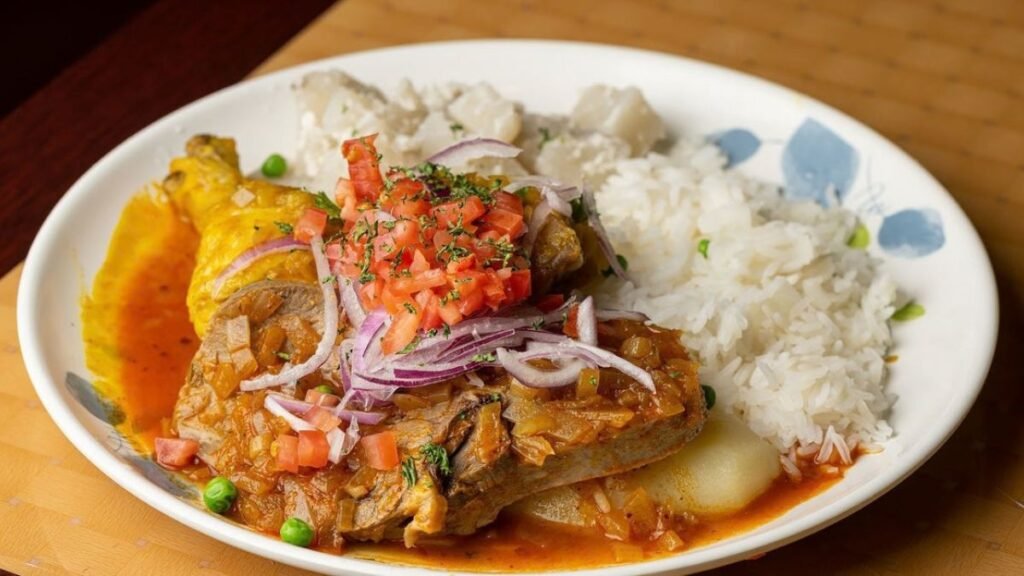
Iconic national dishes bring people together across the country. Large platters like pique macho pile juicy steak, sausage, fries, and peppers high on a single plate for sharing. Another beloved favorite, silpancho, features a breaded meat cutlet served over rice, fried potatoes, and a fresh egg.
Eating like a local reveals the true heart of Bolivian food culture. Neighborhood markets and family-run eateries serve these massive portions with spicy llajwa salsa on the side. Every meal offers a genuine taste of the nation’s proud heritage.
Classic Street Snacks
Street food stalls fuel daily life across Bolivia from early morning until late at night. Local vendors serve freshly baked dough pockets, deep-fried treats, and savory pastries right on the sidewalk. These portable bites offer a quick, affordable, and delicious way to sample local flavors while exploring busy city markets.
The beloved salteña stands out as the ultimate national morning snack. Hungry locals gather at street carts before noon to enjoy these warm, golden pastries filled with juicy meat, potatoes, and rich spiced broth. Eating a salteña without spilling a single drop of broth is a proud skill that every street food lover tries to master.
Popular Street Snacks in Bolivia
| Snack Name | Description & Preparation | Core Ingredients | Best Time to Eat | Common Accompaniments |
| Salteña | Baked, sweet-crusted pastry filled with a thick, juicy stew | Beef or chicken, potatoes, peas, boiled egg, olives, rich broth | Morning (sells out by noon) | Fresh llajwa salsa |
| Tucumana | Deep-fried savory dough pocket stuffed with spiced fillings | Minced meat or chicken, potatoes, diced vegetables | Mid-morning | Garlic sauce, spicy salsa, pickled veggies |
| Empanada de Queso | Deep-fried or baked dough pocket oozing with melted cheese, often dusted with powdered sugar | Fresh local cheese (queso fresco), flour, sugar | Breakfast or afternoon | Hot api (purple corn drink) |
| Cuñapé | Chewy, cheesy baked rolls made from cassava starch | Yucca (cassava) flour, fresh white cheese, eggs | Afternoon tea | Fresh brewed coffee or tea |
| Huminta | Sweet or savory corn cake wrapped in corn husks and baked or steamed | Fresh sweet corn, cheese, milk, cinnamon, raisins (if sweet) | Morning or late afternoon | Hot coffee or tojorí drink |
| Relleno de Papa | Deep-fried mashed potato ball stuffed with seasoned meat | Mashed potatoes, seasoned beef, onions, hard-boiled egg | Lunchtime or afternoon | Spicy tomato salsa, mayo |
| Pastel con queso | Large, thin, fried puffy pastry topped with powdered sugar and filled with cheese | Fried flour dough, melting cheese, powdered sugar | Late afternoon | Hot api morado |
Popular Late Night Foods
Nighttime in Bolivia brings out a whole new set of street vendors and savory treats. Busy food stalls open along sidewalk corners as the sun sets over the mountains. Hungry night owls gather around sizzling grills to grab quick, satisfying meals after work or late-night outings.
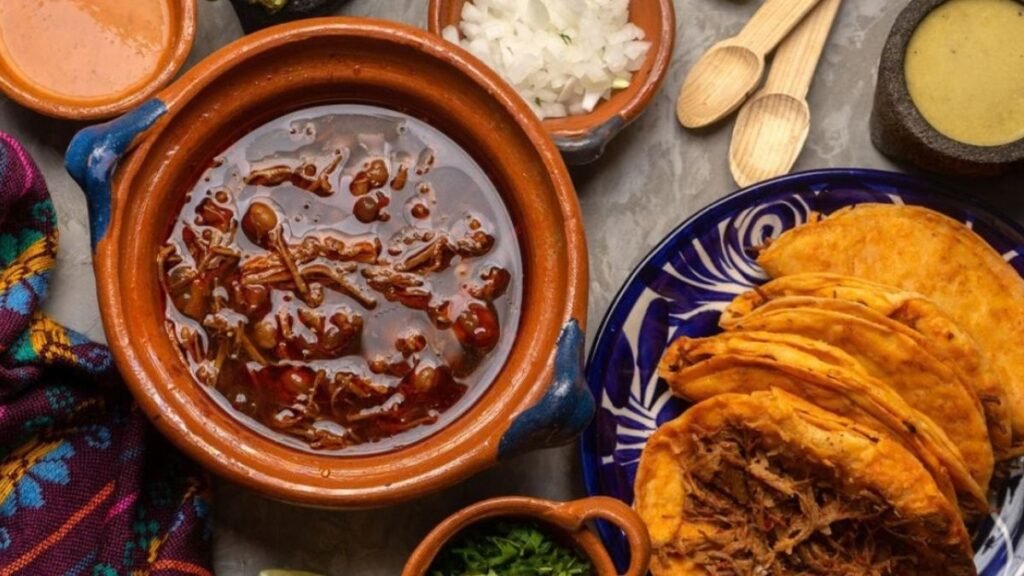
Grilled beef heart skewers, known as anticuchos, are the undisputed king of late-night eating. Vendors cook the thinly sliced, marinated meat over open flames until tender and smoky. They serve these flaming skewers on wooden sticks, topped with boiled potatoes and a thick, spicy peanut sauce.
Pork sandwiches also draw big crowds late into the night. The famous sandwich de chola packs crispy roast pork, crunchy pickled vegetables, and spicy salsa into a soft round bread roll. These rich, flavorful street bites offer the perfect way to warm up during cold Andean nights.
Traditional Soups Stews
Soups and stews form the warm heart of daily Bolivian dining. Families eat hot bowls of soup almost every day at lunchtime to fight off the chilly mountain air. Local cooks take their time simmering fresh herbs, meats, and vegetables to build deep, comforting flavors.
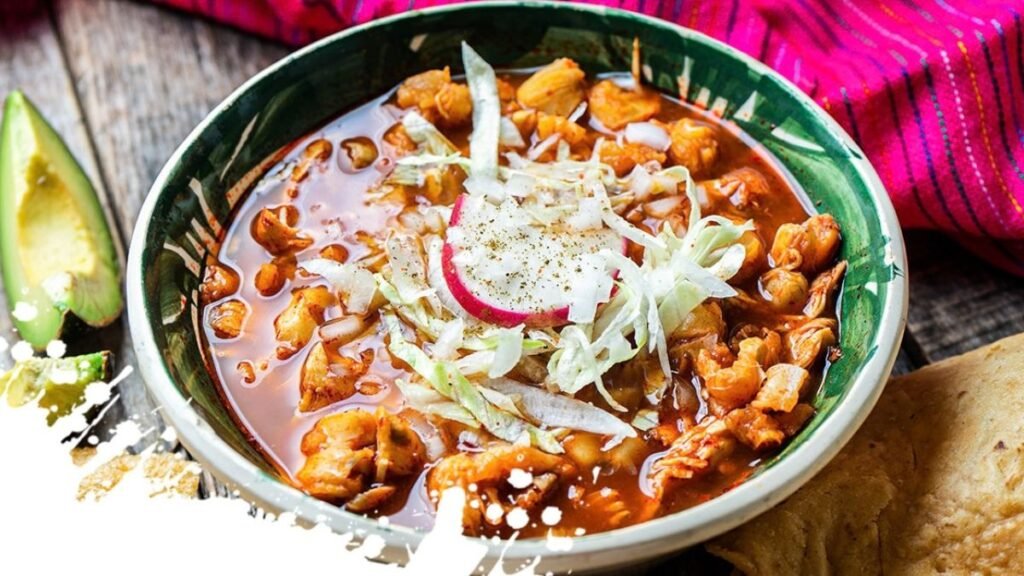
Sopa de maní is easily the most beloved soup across the entire country. Chefs blend raw peanuts with milk and broth to create a rich, creamy base loaded with beef, potatoes, and peas. They top every hot bowl with crispy fried potato sticks and fresh parsley right before serving.
Spicy stews like fricasé bring intense flavors and heat to the table. This slow-cooked pork stew features yellow ají peppers, large corn kernels, and freeze-dried potatoes. People traditionally enjoy a steaming bowl on weekend mornings to boost their energy and warm up from the inside out.
Native Andean Proteins
Bolivian cuisine relies on unique protein sources native to the high-altitude Andes Mountains. Llama meat serves as a lean, healthy staple that local communities have eaten for thousands of years. It tastes similar to lean beef, with a mild flavor and very little fat.
Cooks prepare llama meat in many delicious ways across the Altiplano region. They often dry and salt the meat to make charqui, a savory jerked meat that lasts for months. Chefs fry this dried llama until extra crispy and serve it with boiled corn, eggs, and fresh cheese in traditional dishes like charquekan.
Fresh fish from Lake Titicaca provides another vital source of protein for mountain locals. Fishermen catch fresh lake trout (trucha) daily from the cold, deep waters. Local restaurants fry the trout to golden perfection, serving it simply with lime juice, potatoes, and fresh salad.
Essential Local Sauces
No Bolivian meal is truly complete without a generous scoop of hot salsa. Local sauces add a burst of heat, color, and fresh flavor to every plate. Diners use them daily to customize everything from morning street pastries to hearty dinner stews.
Llajwa is the undisputed queen of all Bolivian table sauces. Cooks crush fresh red tomatoes and fiery locoto chili peppers together on a traditional flat grinding stone. They toss in a local aromatic herb called quilquiña, which gives this spicy red salsa its distinct, fresh taste.
Regional kitchens also rely heavily on colorful ají pepper pastes to season their cooking. Chefs roast or simmer yellow and red ají peppers into smooth, flavorful purees. These savory pastes form the spicy flavor base for famous stews, gravies, and roasted meat dishes across the country.
Regional Bakery Favorites
Bolivian bakeries serve an incredible variety of fresh breads, rolls, and baked treats every day. Neighborhood bakers start firing up their ovens before sunrise to feed early morning crowds. Freshly baked goods play a central role in both morning breakfasts and late afternoon tea breaks.
The lowland region of Santa Cruz is famous for its chewy cheese breads called cuñapé. Bakers mix cassava starch with fresh local cheese and bake them until golden and puffy. Other popular treats include sweet humintas, which are soft corn cakes seasoned with cinnamon and wrapped in green corn husks.
Every region takes great pride in its unique baking traditions and local recipes. In mountain towns, bakers craft heavy wheat rolls like marraqueta, which feature a crackly crust and fluffy interior. Enjoying these hot baked goods with a cup of fresh coffee connects locals across all corners of the country.
Traditional Local Drinks
Bolivia offers a wide variety of unique beverages that refresh, warm, and energize. Local drink vendors serve colorful homemade concoctions from street carts and market stalls across the country. These traditional drinks blend native grains, fruits, and spices to create unforgettable flavors.
Api morado is a thick, warm drink enjoyed on chilly mountain mornings. Cooks simmer purple corn flour with sugar, cinnamon, cloves, and orange peel until silky smooth. People often sip this hot, spiced beverage alongside a crispy cheese pastry for the ultimate traditional breakfast.
On hot afternoons, locals cool down with a glass of icy mocochinchi. Vendors boil dehydrated peaches with sugar and cinnamon to make a sweet, amber fruit juice. Every glass comes served with a sweet, reconstituted peach resting at the bottom for a delicious treat at the end.
Daily Meal Structures
Bolivians follow a relaxed and structured daily eating routine centred around family and community. A light breakfast (desayuno) starts the morning with hot coffee, warm herbal teas, or sweet api. Locals pair their hot drink with fresh bread rolls like marraqueta or cheese-filled pastries.
The midday lunch (almuerzo) serves as the largest and most important meal of the entire day. Workplaces and schools often break for two hours so families can gather at home. A complete lunch includes a hot bowl of soup, a large main meat dish with rice and potatoes, and a light dessert.
Late afternoon brings té de la tarde, a cozy tea break that pauses the day around four or five o’clock. Friends and coworkers gather to sip coffee, tea, or hot chocolate while sharing baked goods like cuñapé. Dinner (cena) is served much later in the evening and usually consists of a light, simple meal or reheated leftovers from lunch.
Article Outline Structure
A well-planned article outline acts as a roadmap for organizing complex information logically. It breaks down broad topics into manageable sections, guiding the reader smoothly from introduction to conclusion. Writers rely on outlines to keep their main points focused, balanced, and easy to digest.
Creating a clear outline begins with defining your core message and key subtopics. Arranging these elements into clear headings and bullet points ensures that no important details are missed. This initial structure helps build strong visual hierarchy and improves readability across all types of written content.
Finally, an organized outline saves time during the actual writing and editing process. It allows authors to see how individual paragraphs connect before drafting full sentences. Readers benefit as well, finding it much easier to scan, navigate, and remember key takeaways.
Conclusion
Exploring Bolivian food reveals a rich culinary world shaped by ancient traditions, diverse landscapes, and European influences. From the hearty high-altitude staples of the Andes to the vibrant, tropical flavors of the Amazonian lowlands, every dish tells a story of culture and resilience. The wide range of native ingredients, savory street snacks, and comforting daily meals highlights the incredible diversity found across the nation’s tables.
Ultimately, food in Bolivia is about much more than just nourishment—it is a celebration of family, community, and heritage. Sharing a hot bowl of sopa de maní or gathering for a late-afternoon tea break offers a genuine taste of everyday Bolivian life. Embracing these authentic recipes and mealtime customs connects us directly to the warm heart and soul of South America.
FAQs
1. What is the most famous food in Bolivia?
The salteña is Bolivia’s most iconic national snack. It is a savory baked pastry filled with a rich, juicy stew of beef or chicken, potatoes, and spices.
2. Is Bolivian food usually spicy?
Most Bolivian dishes are mildly seasoned rather than inherently hot. However, locals always serve meals with llajwa, a fresh tomato and locoto chili salsa, allowing you to add extra heat.
3. What do people drink with meals in Bolivia?
Locals frequently drink api morado (a warm, spiced purple corn beverage) in the morning and mocochinchi (an iced peach drink) on hot afternoons.
4. Are there vegetarian options in traditional Bolivian cuisine?
While meat plays a central role in many main dishes, native Andean ingredients like quinoa, giant corn, yucca, and potatoes form plenty of hearty vegetarian meals.
5. Why are soups so popular in Bolivia?
Soups like sopa de maní provide warmth and energy in high-altitude mountain regions. They play an essential role as the first course of the traditional daily lunch.
Related Post

The Story Behind Matteo’s Mexican Food Closure
Matteo's Mexican Food Closure refers to the shutdown of Matteo's Mexican food restaurants. The closure…
One thought on “Exploring Food in Bolivia, South America”