

Food Industry in Mexico: A Complete Market Overview
flavoryplatter.com >> Uncategorized>> Food Industry in Mexico: A Complete Market Overview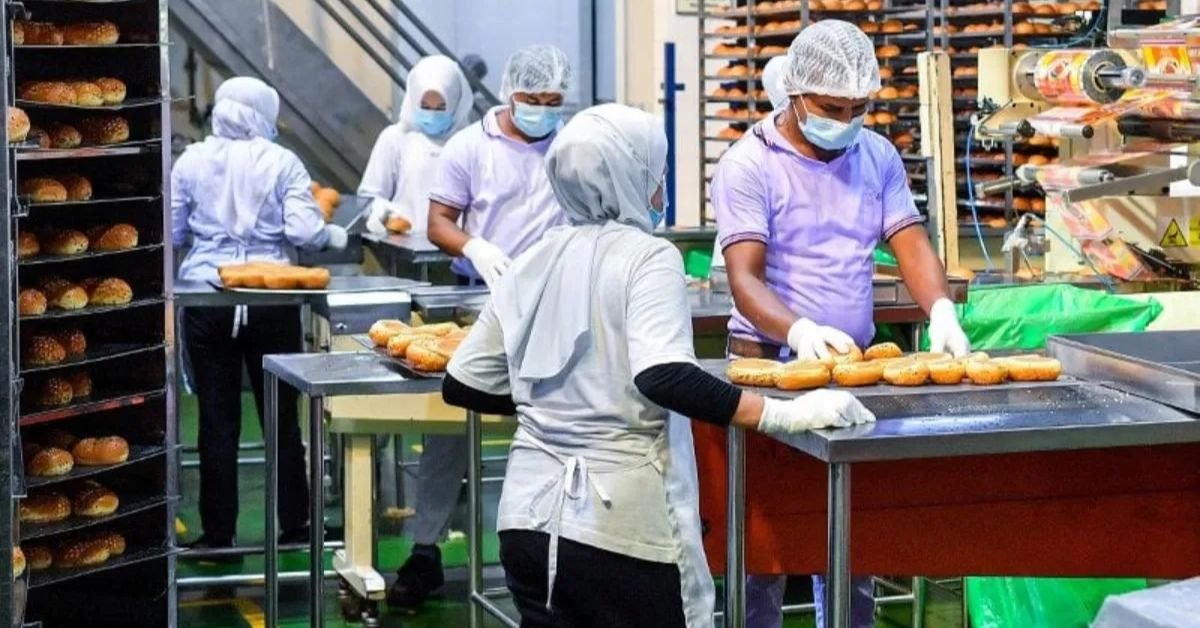
Food Industry in Mexico: A Complete Market Overview
The food industry in Mexico includes businesses that produce, process, package, distribute, and sell food products. It covers many sectors, such as agriculture, beverages, dairy, meat, bakery products, and packaged foods. This industry plays an important role in the country’s economy.
Mexico has a strong food culture and a large consumer market. Local demand, exports, changing lifestyles, and new food trends continue to shape the industry. Companies also introduce new products to meet the needs of modern consumers.
This article explains the food industry in Mexico clearly and simply. It covers major sectors, market growth, consumer demand, exports, challenges, and future opportunities. You will also learn what factors continue to drive the Mexican food market.
Food Industry in Mexico Overview
The food industry in Mexico includes many types of businesses. These companies grow, process, package, distribute, and sell food products. The industry covers dairy, meat, bakery, beverages, snacks, and packaged foods.
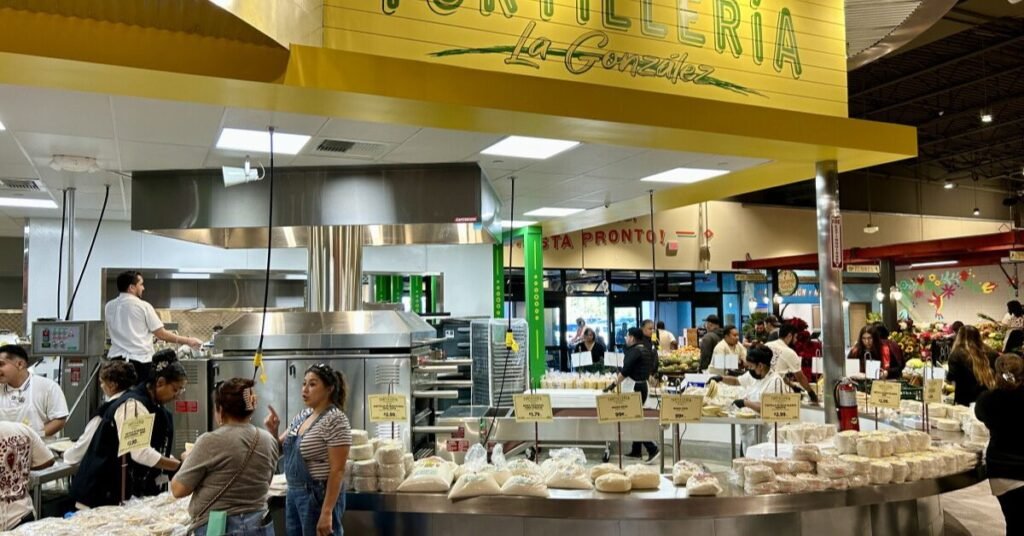
Mexico has a large consumer market and a strong food culture. People buy both traditional foods and modern packaged products. Changing lifestyles also increase demand for convenient and ready-to-eat options.
The industry supports jobs, trade, and economic growth across the country. Local producers supply the domestic market, while many companies also export food products. New technology and changing consumer needs continue to shape the market.
Major Food Sectors
Mexico has several important food sectors. These include dairy, meat, bakery, beverages, fruits, vegetables, and packaged foods. Each sector serves different consumer needs and supports the wider food market.
The meat and dairy sectors supply many everyday products. Bakery companies produce bread, pastries, and snacks for homes and stores. Beverage companies also sell soft drinks, juices, bottled water, and other popular drinks.
Packaged and processed foods continue to attract busy consumers. Companies offer ready-to-eat meals, frozen foods, canned products, and snacks. These sectors help businesses reach more customers and expand across local and international markets.
Market Size and Growth
Mexico has a large and active food market. A growing population and strong consumer demand support its expansion. Food companies continue to serve both local buyers and international markets.
Urban growth also changes the way people buy and eat food. Many consumers now choose convenient, packaged, and ready-to-eat products. This trend encourages companies to launch new products and improve distribution.
Investment, exports, and modern technology also support market growth. Businesses improve production and reach more customers through supermarkets, stores, and online channels. These changes help the food market expand across the country.
Consumer Food Trends
Consumers in Mexico are changing the way they choose food. Many people now want products that are quick, tasty, and easy to prepare. Busy daily routines continue to increase demand for convenient meals and snacks.
Health also plays a bigger role in food choices. Shoppers often look for products with less sugar, natural ingredients, more protein, or added nutrients. Fresh foods and better-for-you options also attract more attention.
Traditional flavors remain important in the market. Food companies often combine familiar Mexican tastes with modern products. This helps brands meet changing needs while maintaining strong local food preferences.
Packaged Food Demand
Packaged food demand is growing as more consumers look for quick and easy meal options. People often choose snacks, frozen foods, canned products, and ready-to-eat meals. These products help busy families save time during the day.
Convenience strongly affects buying choices. Shoppers also look for products that offer good taste, longer shelf life, and simple preparation. Food companies respond by creating new flavors, smaller packs, and healthier options.
Supermarkets, convenience stores, and online shops make packaged foods easy to find. Brands also improve packaging to attract buyers and protect product quality. These changes continue to support demand across the market.
Food and Beverage Market
Mexico has a strong food and beverage market. Consumers buy products such as soft drinks, juices, dairy items, snacks, bakery goods, and ready-made foods. Local brands and international companies both serve this large market.
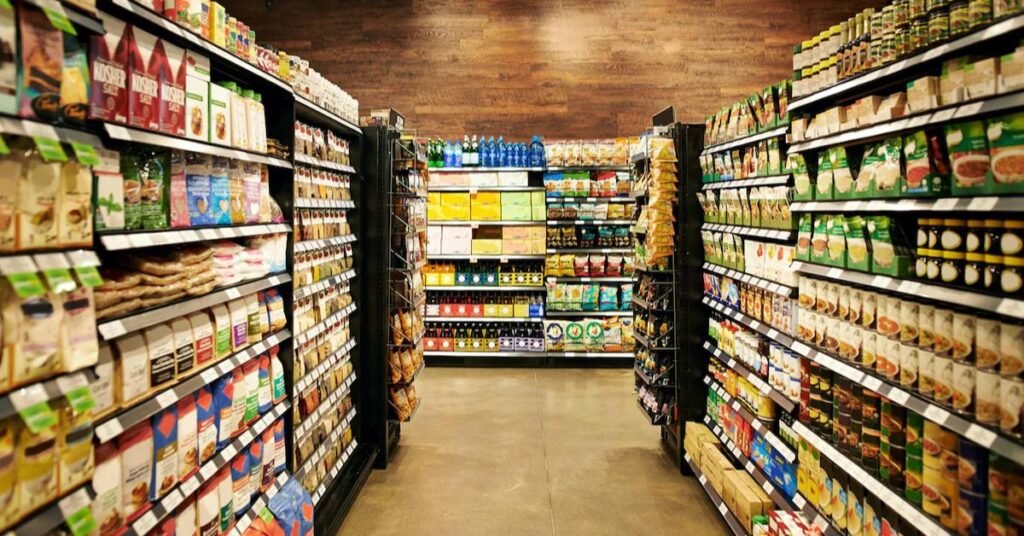
Changing lifestyles continue to shape demand. Many people want convenient products that save time and still offer good taste. Companies also introduce healthier drinks, low-sugar options, and new food varieties to attract more buyers.
Retail stores, supermarkets, restaurants, and online platforms help brands reach customers. Businesses also invest in better packaging and wider distribution. These efforts help the food and beverage market continue to grow.
Restaurant and Food Services
Restaurants and food services play an important role in Mexico’s food market. They include local restaurants, fast-food chains, cafes, street food sellers, and catering businesses. These businesses serve both residents and tourists.
Consumer habits continue to shape this sector. Many people now order food online or use delivery apps for convenience. Restaurants also add healthier meals, new flavors, and affordable menu options to attract more customers.
Tourism and urban growth also support restaurant demand. Food businesses use digital ordering, delivery services, and modern payment systems to improve service. These changes help restaurants reach more customers and grow their sales.
Food Production and Supply
Food production in Mexico depends on farming, livestock, fishing, and food processing. Producers supply fruits, vegetables, grains, meat, dairy products, and many other foods. These products move through different supply chains before reaching consumers.

Farmers, manufacturers, distributors, and retailers all support the food supply system. Companies use warehouses, transport networks, and cold storage to keep products safe and fresh. Strong distribution helps businesses deliver food across cities and rural areas.
Technology also improves food production and supply. Producers use better equipment, digital systems, and modern farming methods to increase efficiency. These improvements help companies reduce waste, manage stock, and meet changing consumer demand.
Imports and Exports
Mexico imports and exports many food products each year. The country exports items such as fruits, vegetables, beverages, meat, and processed foods. These products help Mexican companies reach buyers in global markets.
Mexico also imports food to meet local demand and support food production. Businesses bring in grains, dairy products, meat, ingredients, and other goods from different countries. Imports help retailers and manufacturers offer more variety to consumers.
Trade agreements and strong transport links support food trade. Companies use ports, highways, and border routes to move products quickly. Growing international demand also gives Mexican food businesses more chances to expand.
Leading Food Companies
Mexico has many large food and beverage companies that serve local and international markets. These businesses produce bread, dairy products, meat, snacks, beverages, tortillas, and packaged foods. Strong brands and wide distribution networks help them reach millions of consumers.
Leading companies also invest in new products, modern factories, and better delivery systems. Many businesses expand into healthier foods and convenient options to meet changing demand. Their growth supports jobs, exports, retail sales, and the wider food industry.
Table
| Company | Main Business | Popular Product Area | Market Role |
| Grupo Bimbo | Bakery products | Bread, buns, cakes, snacks | Supplies bakery products across Mexico and many global markets |
| Gruma | Corn and flour products | Tortillas, corn flour | Serves households, restaurants, and food manufacturers |
| Sigma Alimentos | Refrigerated foods | Meat, cheese, yogurt | Produces and distributes packaged refrigerated foods |
| Coca-Cola FEMSA | Beverages | Soft drinks, water, juices | Operates a major beverage production and distribution network |
| Grupo Lala | Dairy products | Milk, yogurt, cheese | Supplies dairy products through supermarkets and local stores |
| Bachoco | Poultry and food products | Chicken, eggs, processed foods | Supports Mexico’s meat and poultry market |
| Grupo Herdez | Packaged foods | Sauces, canned foods, condiments | Offers traditional and convenient packaged food products |
| Nestlé México | Food and beverages | Coffee, dairy, cereals, nutrition products | Serves several food and beverage categories |
| PepsiCo México | Snacks and beverages | Chips, snacks, soft drinks | Holds a strong position in the snack and beverage market |
| Mondelēz México | Snacks and confectionery | Biscuits, chocolate, candy | Supplies popular snack and confectionery products |
| Danone México | Dairy and beverages | Yogurt, dairy drinks, water | Focuses on dairy, nutrition, and beverage products |
| Mars México | Confectionery and pet food | Chocolate, candy, pet products | Serves both consumer food and pet food markets |
| Kellogg’s México | Breakfast foods | Cereals and snacks | Supplies breakfast and snack products |
| La Costeña | Packaged foods | Beans, chilies, sauces, vegetables | Produces traditional Mexican canned and packaged foods |
| Alpura | Dairy products | Milk, cream, yogurt | Competes strongly in Mexico’s dairy market |
Technology and Innovation
Technology helps food companies improve production and save time. Many businesses use modern machines, digital tools, and automated systems. These tools help workers produce food faster and keep quality more consistent.
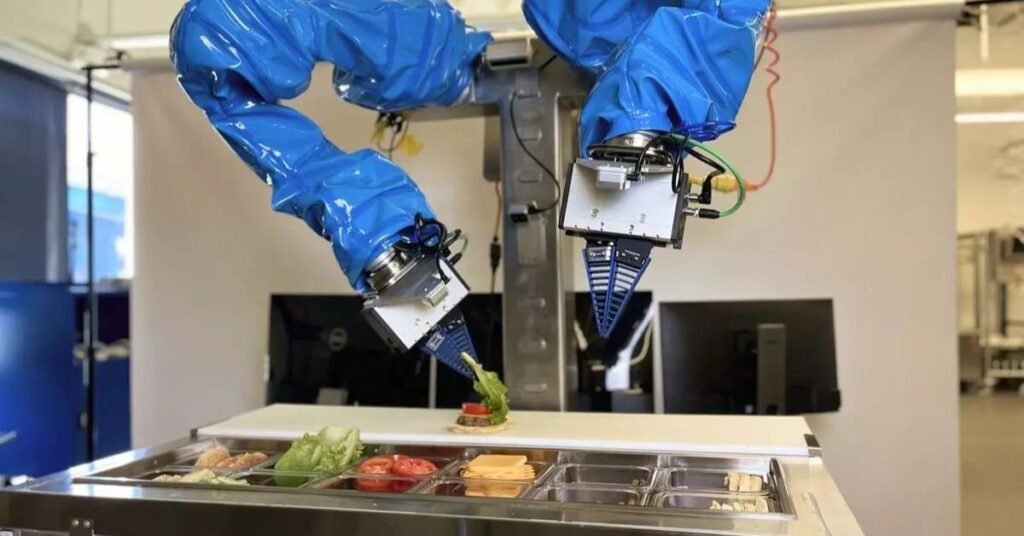
Companies also use technology to improve packaging and storage. Better cold chains, smart labels, and tracking systems help keep food fresh and safe. Digital systems also help businesses manage stock and reduce waste.
Innovation also supports new product development. Food brands create healthier recipes, new flavors, and more convenient products to meet changing demand. These changes help companies compete and serve customers more effectively.
Market Challenges
The food market in Mexico faces several challenges. Rising costs for ingredients, energy, transport, and packaging can increase food prices. These changes can also reduce profit for producers and retailers.
Supply chain problems can affect production and delivery. Weather changes, water shortages, and transport delays may limit the supply of some foods. Companies must manage these risks to keep products available.
Businesses also face strong competition and changing consumer demand. Shoppers now expect better quality, healthier choices, and fair prices. Food companies must improve products and control costs to stay competitive.
Future Growth Opportunities
Mexico’s food market offers many opportunities for future growth. Companies can expand by offering healthier foods, convenient meals, and new beverage options. Growing consumer demand can also support new brands and product ideas.
Online shopping and food delivery can create more business opportunities. Companies can use digital platforms to reach customers faster and sell products in more areas. Better technology can also improve production, storage, and distribution.
Export growth can give Mexican food companies access to more international markets. Businesses can promote local flavors, packaged foods, and agricultural products abroad. Strong investment and innovation can help the industry grow further.
Conclusion
Mexico’s food market continues to grow through strong consumer demand, local production, trade, and new technology. Companies serve customers with fresh foods, packaged products, beverages, and restaurant services. Changing lifestyles also create new opportunities across the market.
The future looks positive for businesses that focus on quality, convenience, and innovation. Companies can grow by improving products, expanding online sales, and reaching new export markets. With the right strategies, the industry can continue to support jobs, investment, and economic growth.
FAQs
1. What are the main sectors in Mexico’s food industry?
The main sectors include dairy, meat, bakery, beverages, packaged foods, fruits, vegetables, and food services.
2. Why is Mexico’s food market growing?
Population growth, urban lifestyles, exports, and demand for convenient foods continue to support market growth.
3 . What food products does Mexico export?
Mexico exports fruits, vegetables, beverages, meat, processed foods, and other agricultural products to global markets.
4. Which companies lead Mexico’s food market?
Major companies include Grupo Bimbo, Gruma, Grupo Lala, Sigma Alimentos, Grupo Herdez, and Bachoco.
5. What challenges does the food industry face?
The industry faces rising costs, supply chain issues, water shortages, strong competition, and changing consumer preferences.
Related Post

Best Italian Desserts for Holidays, Parties, and Special Occasions
Italian desserts are traditional sweet dishes from Italy. They often use cream, chocolate, coffee, fruit,…