

How to Choose the Best Cat Food for Your Cat’s Age and Health
flavoryplatter.com >> Uncategorized>> How to Choose the Best Cat Food for Your Cat’s Age and Health
How to Choose the Best Cat Food for Your Cat’s Age and Health
Cat food gives your cat the nutrients it needs to grow, stay active, and remain healthy. It usually contains protein, fats, vitamins, minerals, and water. However, each cat needs different nutrition based on its age, weight, and health.
Choosing the wrong food can affect your cat’s energy, digestion, and overall health. Therefore, you should not select cat food only by its price or packaging. The right food can help your cat feel better, look healthier, and enjoy a longer life.
In this guide, you will learn how to choose the best cat food for kittens, adult cats, and senior cats. You will also discover which ingredients to check and which ones to avoid. Moreover, you will learn how your cat’s health condition can influence its food needs.
What Is Cat Food?
Cat food is specially made food for cats. It gives them the nutrients they need every day. These nutrients include protein, fat, vitamins, and minerals. Therefore, good food helps cats grow and stay active.
Cats need more animal protein than many other pets. Their bodies also need taurine for healthy eyes and hearts. In addition, they need clean water to support digestion and kidney health.
Cat food comes in wet, dry, and fresh forms. Each type offers different benefits. However, owners should choose food based on their cat’s age, weight, and health. The right choice can support a longer and healthier life.
Essential Nutrients Cats Need
Cats need protein to build strong muscles and stay active. Animal protein gives them important amino acids. Therefore, meat should form a main part of their diet.
Healthy fats also give cats energy. In addition, omega fatty acids support soft skin and a shiny coat. Vitamins and minerals help protect their bones, teeth, eyes, and immune system.
Cats also need taurine for a healthy heart and clear vision. Moreover, water supports digestion and kidney function. A balanced diet provides these nutrients in the right amounts.
Feeding Kittens Properly
Kittens need more energy than adult cats. Their bodies grow quickly during the first year. Therefore, give them food made especially for kittens. This food contains more protein, fat, and essential nutrients.
Feed young kittens small meals several times a day. Their stomachs cannot hold much food at once. In addition, always provide clean and fresh water. Follow the feeding guide on the food package.
Choose food that supports strong bones, muscles, and brain growth. Also, avoid giving kittens cow’s milk because it may upset their stomachs. As they grow, adjust their portions and feeding schedule.
Nutrition for Adult Cats
Adult cats need balanced meals to stay healthy and active. Their food should contain enough animal protein. Protein supports strong muscles and daily energy. Therefore, choose meals made for adult cats.
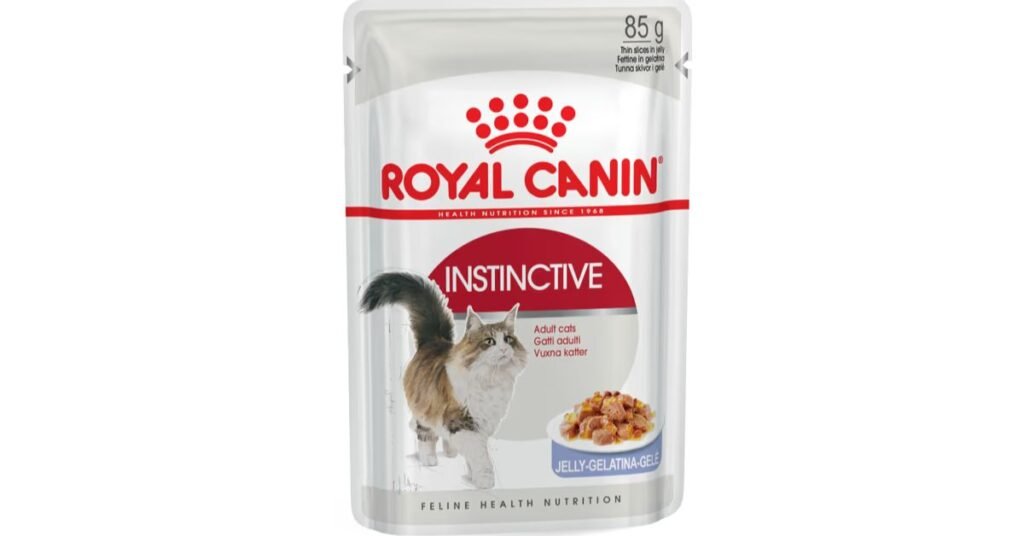
Healthy fats also support the skin and coat. In addition, vitamins and minerals protect the bones, teeth, and immune system. Cats also need taurine for healthy eyes and heart function.
Feed your cat the right portion each day. Too much food can cause weight gain. Moreover, always provide clean and fresh water. Regular meals and proper portions help maintain a healthy weight.
Senior Cat Diet Needs
Senior cats need balanced food as they grow older. Their bodies may use energy more slowly. Therefore, choose food that supports a healthy weight. It should also contain high-quality animal protein.

Older cats may develop weaker joints and muscles. Healthy fats can support their skin, coat, and joints. In addition, vitamins and minerals help protect their immune system. Taurine also supports the heart and eyes.
Senior cats may drink less water. Therefore, wet food can help increase their water intake. Feed them small and regular meals. Moreover, ask a veterinarian for advice if your cat has kidney, dental, or digestive problems.
Wet Food vs Dry Food
Wet food contains more moisture. Therefore, it helps cats stay hydrated. It also has a soft texture, so kittens, senior cats, and cats with dental problems can eat it easily. However, wet food usually costs more and spoils quickly after opening.
Dry food contains less moisture, but it stays fresh for longer. It also costs less and makes feeding more convenient. However, cats that eat dry food need plenty of fresh water. You can also combine both types to provide variety and balanced nutrition.
| Feature | Wet Food | Dry Food |
| Moisture level | Contains a high amount of water | Contains very little water |
| Hydration | Helps increase water intake | Requires extra drinking water |
| Texture | Soft and moist | Hard and crunchy |
| Taste | Many cats find it more appealing | Some cats may prefer its crunchy texture |
| Cost | Usually more expensive | Usually more affordable |
| Storage | Needs refrigeration after opening | Stays fresh in a sealed container |
| Shelf life | Spoils quickly after opening | Lasts longer after opening |
| Serving | May require more preparation | Easy to measure and serve |
| Dental needs | Easier for cats with dental problems | May feel difficult for cats with weak teeth |
| Calorie level | Often contains fewer calories per gram | Often contains more calories per gram |
| Portion control | Helps cats feel full because of moisture | Requires careful measuring |
| Weight control | Can support weight management | May cause weight gain if overfed |
| Best for | Cats that need more hydration | Cats that prefer convenient meals |
| Main concern | Can spoil if left out too long | May not provide enough moisture |
How to Read Food Labels
Start by checking the first few ingredients. They usually make up most of the food. Therefore, look for named animal proteins such as chicken, turkey, beef, or fish. Avoid labels that use unclear meat sources.
Next, read the guaranteed analysis. It shows the levels of protein, fat, fibre, and moisture. Compare these numbers with your cat’s needs. However, remember that wet and dry foods use different moisture levels.
Also, check the feeding guide and age label. Choose food made for kittens, adults, or senior cats. In addition, look for a complete and balanced nutrition statement. This statement shows that the food meets basic nutritional needs.
Healthy Ingredients to Choose
Choose food with named animal proteins. Look for chicken, turkey, beef, or fish. These ingredients help cats build strong muscles. Therefore, meat should appear near the top of the label.

Healthy fats also support your cat’s body. Omega-3 and omega-6 fatty acids help the skin and coat. In addition, fish oil can support the brain and joints. These fats also provide useful energy.
Look for taurine, vitamins, and minerals. Taurine supports the heart and eyes. Moreover, vitamins help the immune system. A balanced recipe gives your cat the nutrients it needs each day.
Ingredients to Avoid
Avoid food with too many artificial colours and flavours. These ingredients do not add useful nutrition. Therefore, choose simple recipes with clear ingredients.
Also, limit foods with added sugar or too much salt. These ingredients may cause health problems over time. In addition, check for unclear terms such as “meat products” without a named source.
Do not choose food only because it says “natural” on the package. Instead, read the full label carefully. Moreover, ask a veterinarian before removing important ingredients from your cat’s diet.
Feeding Amount and Schedule
Feed your cat the right amount each day. Check the feeding guide on the package. However, adjust the portion based on age, weight, and activity level. Too much food can cause weight gain.
Set regular meal times for your cat. Most adult cats do well with two meals a day. Kittens may need three or four smaller meals. Therefore, follow a schedule that matches your cat’s needs.
Measure each portion before serving it. Also, limit treats because they add extra calories. Keep fresh water available at all times. Moreover, check your cat’s weight and adjust the amount when needed.
Diets for Health Conditions
Some cats need special diets because of health problems. Kidney disease, diabetes, obesity, and urinary issues can change their nutritional needs. Therefore, a regular diet may not suit every cat.
A veterinarian may recommend food with controlled calories, protein, phosphorus, or carbohydrates. For example, kidney diets can support cats with chronic kidney disease. Meanwhile, weight-control diets can help overweight cats lose weight safely.
Always speak with a veterinarian before choosing a medical diet. Do not change the food suddenly or use another cat’s diet plan. Instead, follow professional advice and monitor your cat’s weight, appetite, and energy.
How to Change Diets Safely
Change your cat’s food slowly. Start by mixing a small amount of new food with the old food. Then, increase the new food over seven to ten days.
Watch your cat during the change. Look for vomiting, diarrhoea, gas, or loss of appetite. However, slow down the process if your cat shows any problems.
Keep the feeding schedule the same. Also, provide fresh water every day. Moreover, ask a veterinarian for help if your cat refuses food or becomes unwell.
Common Feeding Mistakes
Many owners give their cats too much food. This habit can cause weight gain. Therefore, measure each portion before serving it. Also, follow a regular feeding schedule.
Conclusion
Choosing the right food helps your cat stay healthy and active. Therefore, check the ingredients, portion size, and feeding schedule. Also, choose food that matches your cat’s age and health needs.
Every cat has different needs. So, watch your cat’s weight, energy, and digestion. Moreover, speak with a veterinarian when you need advice. The right diet can support a happier and healthier life.
Some owners give too many treats. Treats add extra calories and may reduce interest in healthy meals. In addition, avoid feeding table scraps because some human foods can harm cats.
Another mistake is changing food too quickly. Sudden changes can upset the stomach. Instead, mix the new food with the old food slowly. Moreover, always provide clean and fresh water.
Frequently Asked Questions
1. What type of food is best for cats?
Choose complete and balanced food with high-quality animal protein. Also, match the food to your cat’s age, weight, and health.
2. Is wet food better than dry food?
Wet food provides more moisture, while dry food offers convenience. However, many cats benefit from eating a suitable mix of both.
3. How often should I feed my cat?
Most adult cats need two measured meals each day. Meanwhile, kittens usually need three or four smaller meals.
4. Can cats eat human food?
Cats can eat small amounts of certain plain foods. However, avoid onions, garlic, chocolate, grapes, and seasoned meals.
5. How can I tell whether the food suits my cat?
Watch your cat’s weight, energy, digestion, skin, and coat. Moreover, contact a veterinarian if you notice ongoing health problems.
Related Post

Low Calorie Breakfast Ideas for a Healthy Start to Your Day
A low-calorie breakfast gives you energy without adding too many calories. It usually includes foods…