

Beef Noodle Soup Recipe for a Cozy Meal
flavoryplatter.com >> Uncategorized>> Beef Noodle Soup Recipe for a Cozy Meal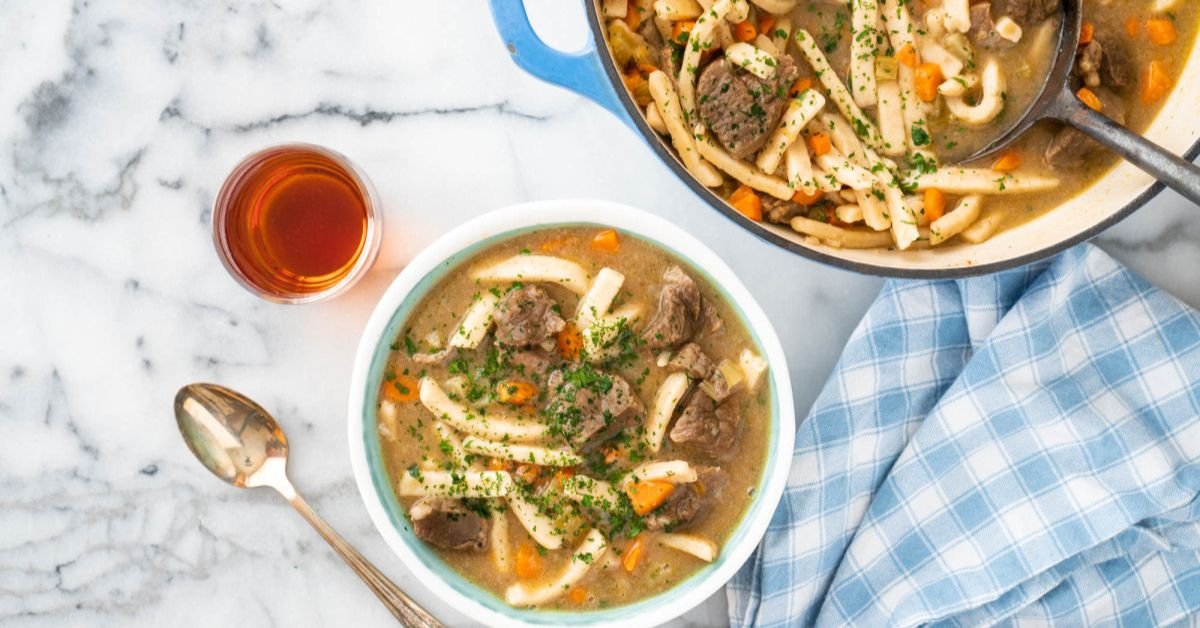
Beef Noodle Soup Recipe for a Cozy Meal
Beef noodle soup brings together succulent beef, noodles, vegetables, and a savory broth. The ingredients add different textures and layers of flavor. You can make this comforting dish with everyday kitchen staples. Serve it as a hearty lunch or dinner.
Need a cozy meal after a long day? A steaming bowl of homemade beef noodle soup can hit the spot. Tender pieces of beef and a fragrant broth make every spoonful satisfying. Adjust the herbs and seasonings to suit your family’s taste.
This guide explains how to build a tasty soup from start to finish. You will choose suitable beef, develop a rich broth, and prepare noodles with the right texture. Favorite vegetables and fresh herbs can add even more flavor. Use these practical steps to make a filling homemade meal.
What Makes Beef Noodle Soup Special?
Beef noodle soup combines savory broth, tender meat, and satisfying noodles in one bowl. Each component contributes its own texture and taste. The warm, filling dish works well for lunch or dinner.
As the beef simmers, it enriches the broth with deep flavor. Vegetables and everyday seasonings add extra layers of taste. The noodles soak up some of the savory liquid and make the soup hearty.
Make the soup your own by adding vegetables and herbs you enjoy. Carrots, onions, and garlic bring sweetness and aroma, while fresh herbs brighten the broth. Pick noodles you like and season the soup to your preference.
Choosing the Best Beef Cuts
The cut of beef affects both the soup’s texture and its flavor. Chuck roast suits slow cooking because its connective tissue softens over time. Brisket is another hearty choice that adds depth to the broth.
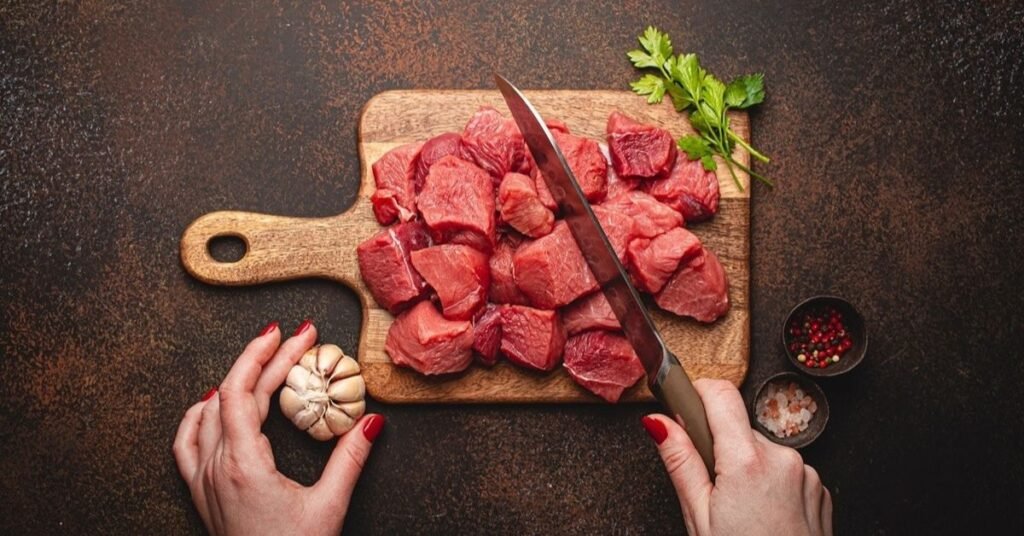
Beef shank can give the broth a full, meaty taste as it cooks. Long, gentle cooking helps soften its connective tissue. Packaged stew meat is also convenient; cut larger pieces into similar sizes so they cook at a similar rate.
Trim away any excess fat, then brown the beef in a hot pot to build a richer flavor. Add the broth and simmer the meat until it turns tender. These basic steps help create a satisfying soup with a good texture.
Best Noodles for Beef Soup
Noodles affect how each spoonful of beef soup feels. Egg noodles offer a tender bite and a mild, rich taste that pairs well with beef. Choose medium or wide noodles if you prefer a more filling bowl.
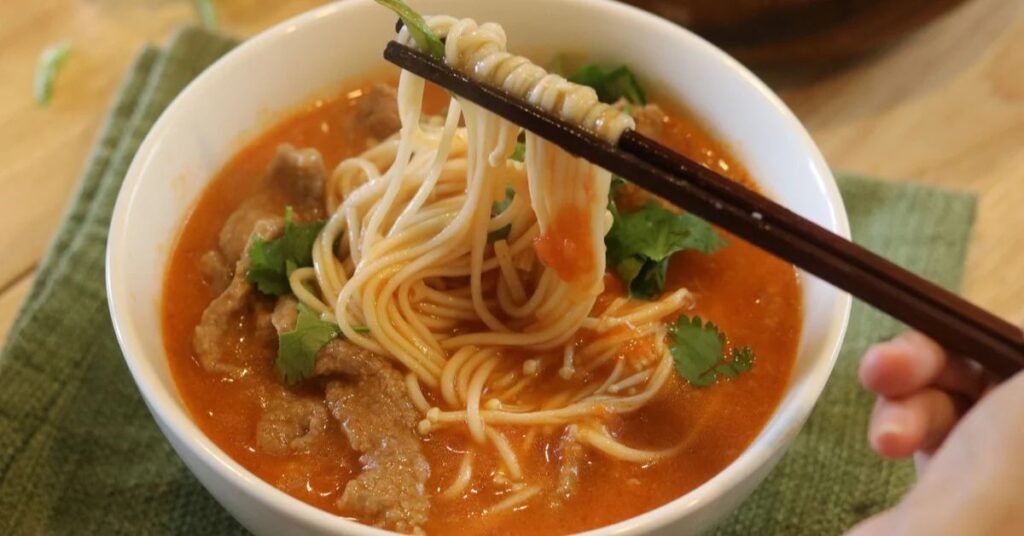
Rice noodles give the soup a lighter feel and usually cook quickly. Wheat noodles tend to have a firmer bite and can stand up well to a savory broth. Select the style that best suits your preferred texture.
Follow the packet directions and check the noodles as they cook. Remove them before they become too soft. Cooking them in a separate pot and adding them to bowls at serving time helps preserve their texture, especially if you plan to save leftovers.
Fresh Vegetables and Herbs to Add
Vegetables bring color, texture, and flavor to a bowl of beef noodle soup. Carrots add a little sweetness, while onions and garlic build a savory base. Mushrooms, celery, and bok choy also make tasty additions.
Herbs can lift the broth with fresh aroma. Sliced green onions offer a mild bite, while cilantro adds a bright note and parsley brings a softer herbal flavor. Ginger gives the soup a gentle warmth.
Slice vegetables into similar sizes so they cook at a steady rate. Put firm vegetables, such as carrots, into the pot earlier, then add leafy greens near the end. Finish each serving with fresh herbs for a clean, lively flavor.
Seasonings That Boost Flavor
Well-chosen seasonings help the beef and broth taste their best. Salt and black pepper sharpen the natural flavors, while garlic and ginger add warmth and aroma. A little onion powder can deepen the savory base.
Soy sauce contributes salty, savory notes and darkens the broth. A small splash of Worcestershire sauce can add more complexity. Bay leaf lends a subtle herbal note, and chili flakes bring heat if you prefer a spicier soup.
Season in small amounts so you can control the final taste. Give the broth time to simmer and let the flavors mingle. Before serving, taste it and adjust the salt, pepper, or soy sauce. Add fresh herbs at the end for a brighter finish.
Essential Ingredients for the Soup
Start with good-quality beef, noodles, vegetables, and a savory broth. Garlic, onion, and ginger create a fragrant base, while simple seasonings bring the ingredients together. Beef broth gives the soup its main body and depth.
Change the ingredient amounts to suit your household and preferences. Mushrooms, carrots, and leafy greens add texture and variety, while soy sauce and black pepper deepen the flavor. Use the table below as a practical guide to the main ingredients and their roles.
| Ingredient | Recommended Amount | Purpose |
| Beef chuck | 1 pound | Adds tender meat and rich flavor |
| Egg noodles | 8 ounces | Creates a filling and satisfying texture |
| Beef broth | 6 cups | Builds a savory soup base |
| Carrots | 2 medium | Add sweetness and color |
| Onion | 1 medium | Creates a flavorful foundation |
| Garlic | 3 cloves | Adds a strong, savory aroma |
| Fresh ginger | 1 tablespoon, grated | Brings warmth and fresh flavor |
| Celery | 2 stalks | Adds flavor and a light crunch |
| Mushrooms | 1 cup, sliced | Provide a deep, earthy taste |
| Soy sauce | 2 tablespoons | Adds savory flavor and color |
| Olive oil | 1 tablespoon | Helps brown the beef |
| Salt | To taste | Enhances the other ingredients |
| Black pepper | ½ teaspoon | Adds mild heat and flavor |
| Bay leaf | 1 leaf | Adds a gentle herbal aroma |
| Green onions | 2, sliced | Brings a fresh flavor and garnish |
| Fresh cilantro or parsley | 2 tablespoons, chopped | Adds freshness before serving |
Tip: Sear the beef first to create a deeper, savory flavor. Let it simmer in the broth until tender, then add the noodles near the end. This timing helps the broth develop while keeping the noodles from turning soft.
Preparing Beef for Cooking
Good preparation helps the beef cook evenly and taste its best. Choose chuck, brisket, or stew meat, remove excess fat, and cut the beef into similar-sized pieces. Smaller, even pieces are easier to serve with the noodles.
Blot the beef dry with paper towels, then season it lightly with salt and pepper. Warm a little oil in a large pot and sear the meat on all sides. Browning adds a deeper flavor to the finished broth.
Once the beef has browned, stir in the onion, garlic, and ginger. Cook them briefly to release their aroma, then pour in the broth. Bring the liquid to a gentle simmer and cook until the beef softens before adding the noodles.
Making a Rich and Flavorful Broth
The broth shapes the overall flavor of beef noodle soup. Brown the beef in a little oil, then add chopped onion, garlic, and ginger. Stir the mixture briefly so these ingredients release their aroma and build a savory base.
Add beef broth, soy sauce, black pepper, and a bay leaf to the pot. Bring the liquid just to a boil, then lower the heat and let it simmer gently. Slow cooking softens the beef and allows its flavor to enrich the broth.
Check the broth before you add the remaining ingredients. Stir in a little salt or soy sauce if it needs more flavor, and use herbs for a fresh aroma. Maintain a gentle simmer to bring the flavors together without reducing the liquid too quickly.
Beef Noodle Soup Recipe: Step-by-Step Guide
First, prepare all the ingredients. Cut the beef into bite-sized pieces and chop the carrots, onion, and garlic. Heat oil in a large pot over medium heat, then sear the beef on every side. Add the onion, garlic, and ginger and stir to build a savory base.
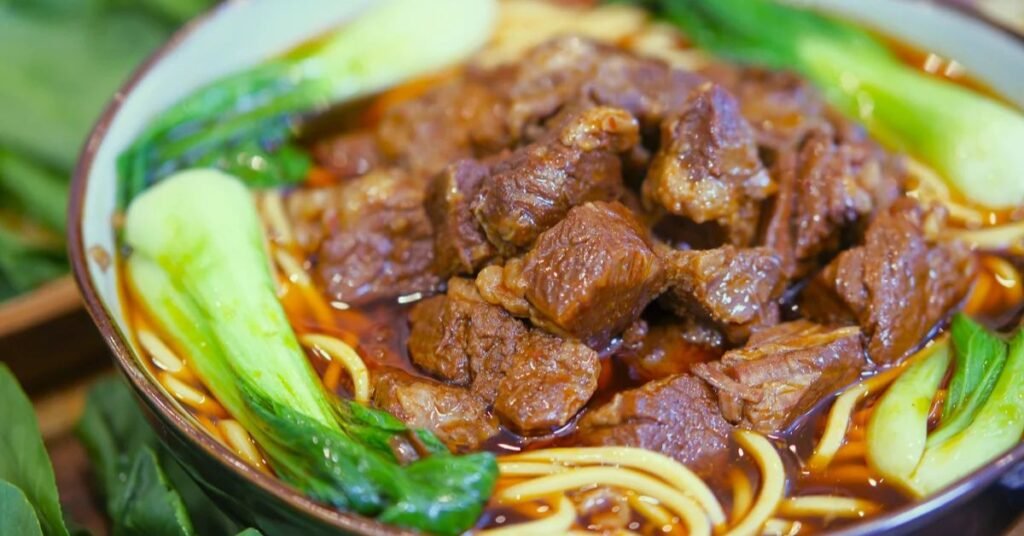
Pour in the beef broth and add soy sauce, black pepper, and a bay leaf. Bring it to a boil, then lower the heat, cover the pot, and simmer until the beef softens. Add the carrots and celery during cooking so they turn tender and flavor the broth.
Prepare the noodles according to the package directions. Stir them into the soup near the end, or portion them into bowls and ladle the broth and beef over them. Adjust the seasoning, remove the bay leaf, and top each serving with green onions or cilantro. Serve while hot.
Best Cooking Methods for Tender Beef
A low, steady simmer is a reliable way to soften beef for soup. Put the browned meat into broth with your seasonings, then cook it gently until tender. The beef gradually takes on the flavor of the liquid.
A pressure cooker can soften tougher cuts in less time. Add the beef, broth, onion, garlic, and seasonings, then follow your cooker’s instructions. Check that the meat has reached the tenderness you want before adding the noodles.
A slow cooker lets you prepare the beef with minimal hands-on work. Add the meat, broth, vegetables, and seasonings, then cook on low until the beef softens. Stir in the noodles near the end so they keep their shape.
Tips for Perfect Noodles and Broth
Keep an eye on the noodles as they cook and follow the package directions. Drain them while they still have a little bite, since hot broth will soften them further. Cooking noodles separately helps prevent them from turning mushy in the pot.
Simmer beef with onion, garlic, ginger, and seasonings to develop a full-bodied broth. Use gentle heat to blend the flavors without boiling the liquid too hard. Taste before serving and adjust the salt, pepper, or soy sauce. If the broth reduces too much, add a little more beef stock.
Bring the noodles and broth together just before serving. Add carrots, mushrooms, or greens for more texture, then finish with sliced green onions or cilantro. These small choices help you serve a balanced bowl with tender beef and well-cooked noodles.
Common Mistakes to Avoid
Rushing the beef can leave it chewy instead of tender. Give the meat enough time to simmer gently in the broth. Sear it first as well, since browning develops a fuller, meatier flavor.
Overcooked noodles may break down and lose their shape. Prepare them in a separate pot or add them to the soup only near the end. Pick a noodle style that holds up well in the broth.
Too much salt can overpower the beef and vegetables. Since broth and soy sauce may already contain sodium, add seasoning in small amounts and taste as you go. Keep the soup at a gentle simmer to avoid reducing the liquid too quickly.
Storage, Reheating, and Serving Tips
Transfer leftovers to airtight containers and refrigerate them within two hours of cooking. Use the soup within three to four days. When possible, keep the noodles separate from the broth so they do not soak up too much liquid and turn soft.
Warm the soup in a saucepan, stirring occasionally until it reaches 165°F (74°C). Add a little water or extra broth if the liquid has thickened. Heat only the amount you intend to eat to help maintain the quality of the leftovers.
Ladle the soup into deep bowls and serve it hot. Top each portion with green onions, cilantro, or parsley. Pair it with crusty bread or a crisp salad, and add black pepper or chili flakes if you want a little extra kick.
Conclusion
Homemade beef noodle soup turns everyday ingredients into a hearty, comforting meal. Tender meat, noodles, vegetables, and a savory broth work together to create a balanced bowl. Simple cooking steps and seasonings help you bring out the best in each ingredient.
Prepare this soup for a family dinner, a relaxed lunch, or a chilly evening. Cook the beef until tender and add the noodles at the right time for the best texture. Customize the pot with vegetables and herbs you enjoy, then serve it hot to share with family or friends.
FAQs
1. What is the best beef cut for beef noodle soup?
Chuck, brisket, and shank are good options because gentle, extended cooking helps soften the meat and deepen its flavor.
2. Which noodles work best in beef noodle soup?
Egg, wheat, and rice noodles can all suit this soup. Pick the variety you enjoy most for its flavor and bite.
3. How long should I cook beef for noodle soup?
Cooking time varies by cut and piece size, but many tougher cuts need around 1½ to 2½ hours of gentle simmering to become tender.
4. Can I make beef noodle soup ahead of time?
Yes. Make the beef and broth in advance, refrigerate them safely, and prepare or add the noodles when you are ready to serve.
5. How do I store leftover beef noodle soup?
Keep leftovers in a sealed container in the refrigerator for three to four days. Store noodles separately when possible so they retain their texture.
Related Post

Delicious Chia Seed Pudding Recipes for Every Day
Chia seed pudding is a straightforward dish blending chia seeds with your choice of milk…