

Best Dog Foods for Sensitive Stomachs for Daily Nutrition
flavoryplatter.com >> Uncategorized>> Best Dog Foods for Sensitive Stomachs for Daily Nutrition
Best Dog Foods for Sensitive Stomachs for Daily Nutrition
Choosing suitable food can improve a dog’s daily comfort and digestion. Foods for sensitive stomachs usually contain simple ingredients that dogs can digest easily. They can also deliver protein, vitamins, minerals, and energy for everyday needs.
Some dogs react poorly to certain ingredients. They may develop gas, loose stools, vomiting, or changes in appetite. A carefully selected diet can help reduce these reactions and make mealtimes more comfortable.
This guide explains how to choose suitable food for dogs with sensitive stomachs. It covers helpful ingredients, protein sources, fiber, probiotics, and different food types. It also shares practical feeding tips for better daily nutrition.
Best Dog Foods for Sensitive Stomach
Good dog food for a sensitive stomach should contain simple, nutritious ingredients. Quality protein can support muscles, while gentle carbohydrates can provide energy. Fiber can also help maintain normal bowel movements and digestive function.

Every dog responds differently to food. One ingredient may suit one dog but trigger gas or loose stools in another. Choose ingredients your dog handles well and avoid known food triggers.
Read the ingredient label before choosing a product. Match the food to your dog’s age, size, activity level, and nutritional needs. When changing foods, make the switch gradually to help your dog adjust.
Sensitive Stomach Signs
Dogs can show several signs when their stomach does not handle food well. Common signs include gas, bloating, loose stools, and vomiting. Some dogs may also show discomfort after meals.
Changes in normal eating habits can provide another warning. Your dog may eat less, refuse food, or show unusual stomach sounds. Changes in bowel movements can also point to a digestive issue.
Keep track of your dog’s reaction after meals. Record foods that appear to cause problems. If your dog has repeated vomiting, persistent diarrhea, severe discomfort, or worsening symptoms, seek veterinary advice.
Gentle Food Ingredients
Simple ingredients can make meals easier for some dogs to digest. Chicken, turkey, and fish can provide useful protein when your dog tolerates them. These proteins can support muscle maintenance and daily energy.
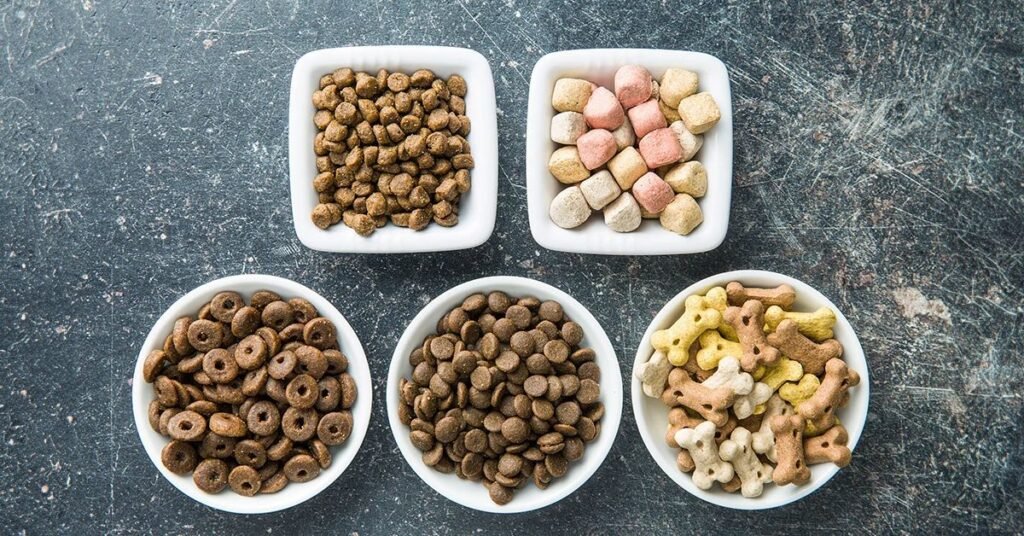
Rice, oatmeal, and sweet potatoes can supply carbohydrates and other nutrients. Pumpkin can add fiber to the diet and may support normal stool quality. Choose ingredients based on your dog’s individual tolerance.
Always read the complete ingredient list before buying food. Avoid ingredients that have previously caused digestive reactions. Introduce unfamiliar ingredients gradually instead of changing the diet suddenly.
Best Protein Sources
Protein supports muscle strength, tissue repair, energy, and many essential body functions. Dogs with sensitive stomachs may tolerate certain protein sources better than others. Select a protein that fits your dog’s dietary needs and previous food history.
Chicken, turkey, salmon, white fish, lamb, and eggs can provide valuable protein. Fish can also provide omega-3 fatty acids that support skin and coat health. Introduce one new protein at a time and monitor your dog’s response.
| Protein Source | Key Nutrients | Potential Benefits | Digestibility | Best Use |
| Chicken | Protein, B vitamins | Supports muscles and daily energy | Often easy to digest | Regular meals |
| Turkey | Protein, B vitamins | Provides lean protein | Often easy to digest | Sensitive diets |
| Salmon | Protein, omega-3 fatty acids | Supports skin and coat | Generally well tolerated | Skin and coat support |
| White Fish | Protein, minerals | Provides lean nutrition | Often easy to digest | Gentle meal choices |
| Lamb | Protein, iron, zinc | Supports muscles and normal body function | Moderate to high | Alternative protein |
| Egg | Complete protein, vitamins | Supports muscles and tissue health | High when cooked properly | Protein addition |
| Duck | Protein, iron, zinc | Provides an alternative protein source | Moderate | Dietary variety |
| Venison | Protein, iron, B vitamins | Offers a less common protein option | Often well tolerated | Novel-protein diets |
| Beef | Protein, iron, zinc | Supports muscle maintenance | Moderate to high | General nutrition |
| Rabbit | Lean protein, B vitamins | Provides an alternative lean protein | Often well tolerated | Novel-protein diets |
Note: Dogs respond differently to individual ingredients. Always consider your dog’s previous food reactions and nutritional needs when selecting a protein source.
Fiber-Rich Foods
Fiber can help dogs maintain regular bowel movements and healthy stool quality. Pumpkin, sweet potatoes, oatmeal, and some vegetables can provide useful fiber. The right amount can support normal digestive function.
Pumpkin offers a gentle source of fiber for many dogs. Sweet potatoes provide fiber along with carbohydrates and other nutrients. Oatmeal can provide soluble fiber that supports normal bowel function.
Add fiber gradually instead of making a sudden dietary change. Give your dog plenty of fresh water throughout the day. If a particular fiber source causes loose stools or other problems, stop using it and seek professional advice when needed.
Probiotic Foods
Probiotics provide beneficial microorganisms that can support a healthy balance in the digestive tract. A healthy gut environment can help dogs maintain normal digestion and regular bowel movements.
Some plain yogurts with live cultures can provide probiotics. Kefir can also contain beneficial bacteria. However, dairy products can cause digestive problems in some dogs, so check your dog’s tolerance before offering them.
Start with small amounts when introducing probiotic foods. Watch for gas, loose stools, or other changes. Dog-specific probiotic products may offer another option, and a veterinarian can recommend suitable choices for dogs with ongoing digestive concerns.
Grain-Free Options
Grain-free dog foods remove grains and use other carbohydrate sources instead. These formulas may contain potatoes, peas, lentils, or sweet potatoes. Some dogs may tolerate a particular alternative ingredient better than a specific grain.
A grain-free label does not automatically make a food better for digestion. Many dogs tolerate grains such as rice and oatmeal without difficulty. Focus on your dog’s individual response and overall nutritional needs.
Choose a complete and balanced formula that supports your dog’s life stage. Review the ingredient list carefully before making a change. Introduce the new food gradually and monitor your dog’s digestive response.
Wet Food Choices
Wet dog food contains more water than dry food. It can help increase daily moisture intake and may appeal to dogs that prefer soft textures. Some dogs also find wet food easier to chew.
Select wet food with quality protein and simple ingredients. Chicken, turkey, and fish can work well when your dog tolerates them. Avoid ingredients that have previously caused digestive problems.
Make dietary changes gradually. Start by mixing a small amount of wet food with your dog’s regular food. Slowly increase the new food while monitoring stool quality, appetite, and energy.
Dry Food Choices
Dry dog food offers convenient storage and simple portion control. It can provide complete nutrition when you choose a formula that meets your dog’s needs. Many formulas also include ingredients designed to support healthy digestion.
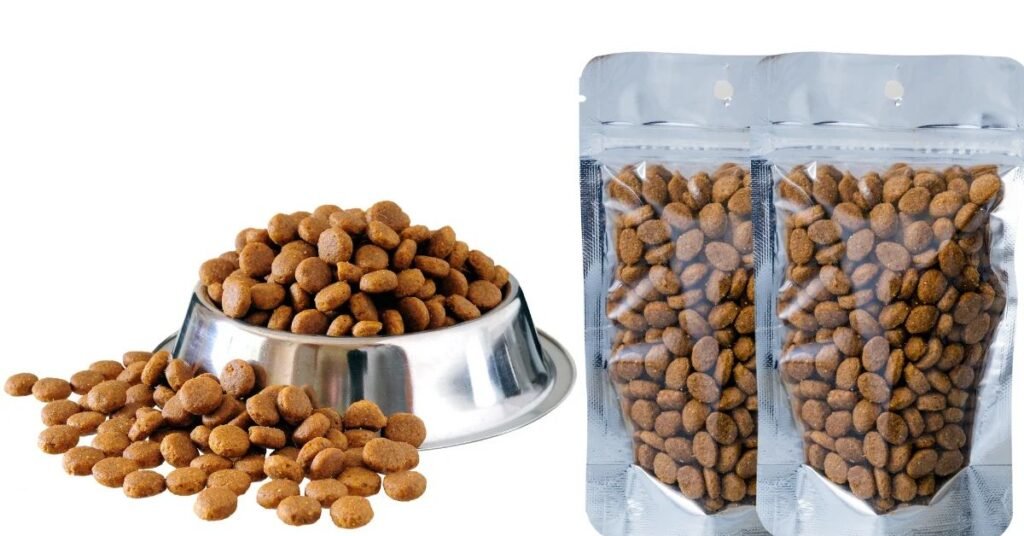
Look for quality protein and suitable carbohydrate sources. Rice, oatmeal, and sweet potatoes can provide useful nutrients and energy. Check the label carefully and avoid known problem ingredients.
Change dry food gradually over several days. Mix increasing amounts of the new food with the old food. Monitor your dog’s stool, appetite, energy, and overall comfort throughout the transition.
Puppy Food Options
Puppies need balanced nutrition to support rapid growth and development. Choose food that provides quality protein, essential nutrients, and enough energy for an active growing body.
Select gentle ingredients that your puppy tolerates well. Avoid foods that repeatedly cause gas, loose stools, vomiting, or poor appetite. Choose a formula designed specifically for your puppy’s growth stage.
Introduce new puppy food gradually. Give your puppy regular meals and fresh water. Monitor stool quality, appetite, growth, and energy during any dietary change.
Adult Dog Foods
Adult dogs need balanced nutrition to maintain muscles, energy, and normal body functions. Choose food that provides suitable protein, carbohydrates, fats, vitamins, and minerals.
Look for simple ingredients that your dog digests comfortably. Choose protein sources that have worked well for your dog. Avoid ingredients that have caused repeated stomach problems.
Introduce new adult dog food slowly. Monitor your dog’s stool, appetite, weight, and energy after the change. Adjust the food choice if your dog develops ongoing digestive problems.
Healthy Feeding Tips
Feed your dog at consistent times each day. Measure portions according to your dog’s size, age, activity, and food requirements. Keep clean, fresh water available throughout the day.
Make diet changes gradually instead of switching foods suddenly. Mix the new food with the current food and increase the new portion step by step. This approach can give your dog’s digestive system more time to adjust.
Limit excessive treats and table scraps. Keep track of foods that trigger digestive problems. Monitor your dog’s stool, appetite, and energy, and contact a veterinarian when digestive issues persist.
Choosing the Right Food
Choose food that matches your dog’s age, size, activity level, and nutritional requirements. Select simple ingredients and quality protein that your dog tolerates well.
Read the ingredient label before purchasing a new formula. Check the main protein source and carbohydrate ingredients. Avoid known triggers and focus on a complete and balanced diet.
Introduce the selected food slowly and observe your dog’s response. Watch stool quality, appetite, energy, and overall comfort. If digestive problems continue, ask a veterinarian to help identify the cause and choose an appropriate diet.
Conclusion
The right food can help dogs with sensitive stomachs maintain comfortable digestion and receive balanced daily nutrition. Focus on quality protein, suitable fiber, gentle ingredients, and a formula that matches your dog’s needs.
Make every food change gradually and monitor your dog’s response. Provide fresh water and appropriate portions each day. If your dog develops persistent vomiting, diarrhea, or other digestive problems, consult a veterinarian.
FAQs
1. What food is best for dogs with sensitive stomachs?
Choose a complete and balanced food with quality protein and simple ingredients that your dog tolerates well.
2. Can grain-free food help a sensitive stomach?
Grain-free food does not automatically improve digestion. Choose ingredients based on your dog’s individual tolerance and nutritional needs.
3. Is wet food good for dogs with sensitive stomachs?
Wet food can provide extra moisture and a soft texture. Choose a balanced formula with ingredients your dog handles well.
4. How should I change my dog’s food?
Mix the new food with the current food and gradually increase the new portion over several days.
5. When should I contact a veterinarian?
Contact a veterinarian when vomiting, diarrhea, or other digestive problems persist, worsen, or become severe.
Related Post

Homemade Banana Oatmeal Cookies Everyone Will Love
Homemade banana oatmeal cookies combine ripe bananas with wholesome oats to create a soft and…
One thought on “Best Dog Foods for Sensitive Stomachs for Daily Nutrition”