
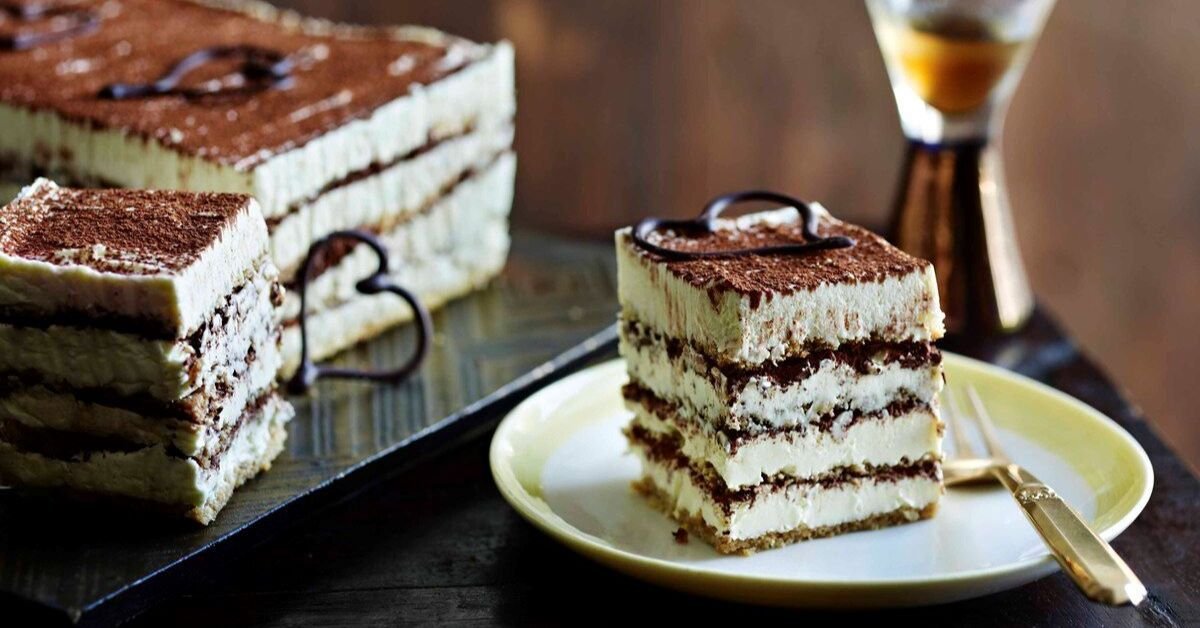
The Best Baking Tips for Fluffy Cakes and Soft Cookies
flavoryplatter.com >> Uncategorized>> The Best Baking Tips for Fluffy Cakes and Soft Cookies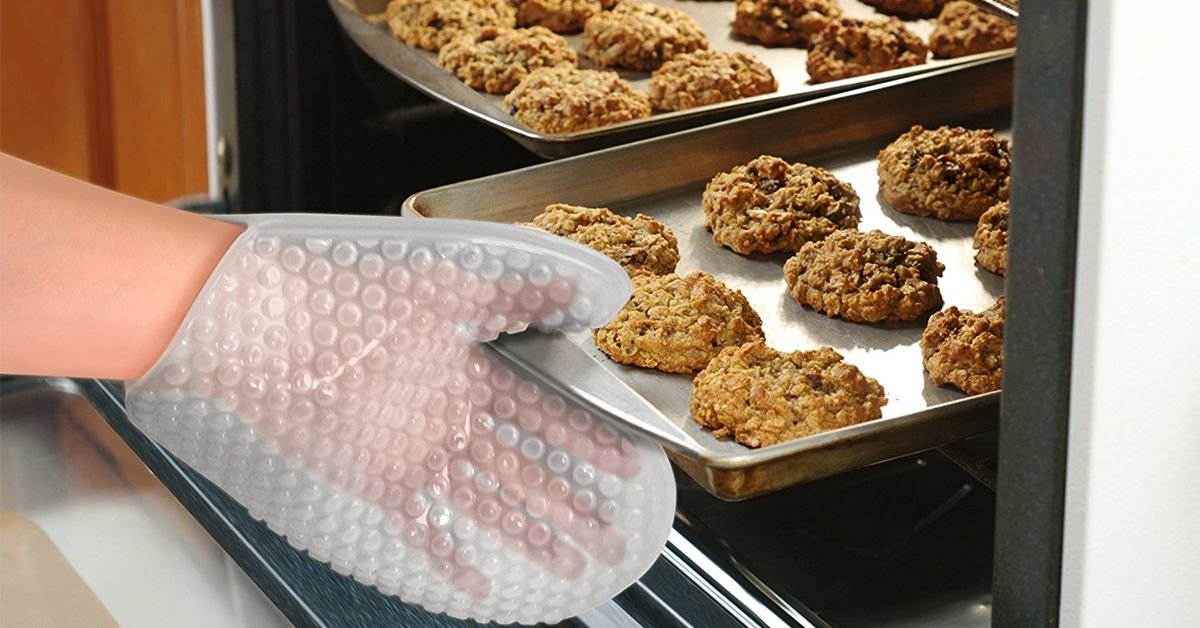
The Best Baking Tips for Fluffy Cakes and Soft Cookies
Baking tips are simple techniques that help bakers create better cakes, cookies, and desserts. These tips guide you through ingredient choices, mixing methods, baking time, and temperature control. They help you improve texture, flavor, and overall baking results.
Have you ever baked a cake that turned dry or cookies that became too hard? Small mistakes can change the final result. The right baking tips can help you create fluffy cakes and soft cookies that look beautiful and taste delicious every time.
This guide shares practical baking tips that every home baker can use. You will learn how to prepare ingredients, balance measurements, and follow smart baking methods. These simple ideas will help you bake with more confidence and achieve better results.
Essential Baking Tips for Beginners
Beginners can improve their baking results by following simple techniques. Start by reading the recipe carefully before you begin. Measure ingredients correctly and prepare all tools in advance. These small steps help you create better cakes, cookies, and desserts.
Good baking requires patience and attention. Always use fresh ingredients and follow the correct mixing method. Avoid opening the oven too often because it can affect the baking process. Small changes can make a big difference in texture and taste.
Practice helps you become a better baker over time. Learn how different ingredients work, and adjust your methods as you gain experience. These simple habits help beginners bake soft cookies, fluffy cakes, and delicious homemade treats with confidence.
Baking Ingredients and Their Uses
Baking ingredients play an important role in creating delicious cakes, cookies, and other desserts. Each ingredient performs a specific job in a recipe. Flour builds structure, sugar adds sweetness, eggs provide binding, and fats improve softness and flavor. Understanding these ingredients helps beginners choose the right amounts and achieve better baking results.
Using the correct ingredients in the right way helps bakers control texture, taste, and appearance. Fresh ingredients and proper measurements create consistent results. The following table explains common baking ingredients, their main uses, and how they affect baked goods.
Table
| Baking Ingredient | Main Purpose | How It Affects Baked Goods | Common Examples |
| Flour | Builds structure and shape | Creates the base of cakes, cookies, and breads | All-purpose flour, cake flour, bread flour |
| Sugar | Adds sweetness and improves texture | Helps create a soft texture and adds color during baking | White sugar, brown sugar, powdered sugar |
| Eggs | Provides binding and moisture | Helps ingredients combine and adds richness | Whole eggs, egg whites, egg yolks |
| Butter | Adds flavor and softness | Creates a tender texture and improves taste | Unsalted butter, salted butter |
| Oil | Adds moisture and smooth texture | Keeps cakes and muffins soft for longer | Vegetable oil, coconut oil |
| Milk | Adds moisture and improves texture | Makes batters smoother and baked goods softer | Whole milk, skim milk, plant-based milk |
| Water | Adds hydration | Helps combine dry ingredients and activate some ingredients | Plain water, warm water |
| Baking Powder | Helps baked goods rise | Creates a light and fluffy texture | Double-acting baking powder |
| Baking Soda | Provides leavening | Helps cookies and cakes expand when combined with acids | Sodium bicarbonate |
| Salt | Enhances flavor | Balances sweetness and improves overall taste | Table salt, sea salt |
| Vanilla Extract | Adds aroma and flavor | Gives desserts a richer and more appealing taste | Pure vanilla extract |
| Cocoa Powder | Adds chocolate flavor | Creates a deep chocolate taste in desserts | Natural cocoa, Dutch-process cocoa |
| Yeast | Helps dough rise | Creates air pockets in breads and baked goods | Active dry yeast, instant yeast |
| Chocolate | Adds richness and sweetness | Improves flavor and creates a smooth texture | Dark chocolate, milk chocolate |
| Nuts and Seeds | Add crunch and nutrition | Provide texture and extra flavor | Almonds, walnuts, chia seeds |
| Fruits | Adds natural sweetness and moisture | Improves flavor and makes desserts more refreshing | Berries, bananas, apples |
Choosing the Right Baking Tools
The right baking tools help beginners create better results in the kitchen. Good tools make mixing, measuring, and baking easier. Simple items like measuring cups, mixing bowls, and baking pans help you follow recipes correctly and prepare desserts with better texture.
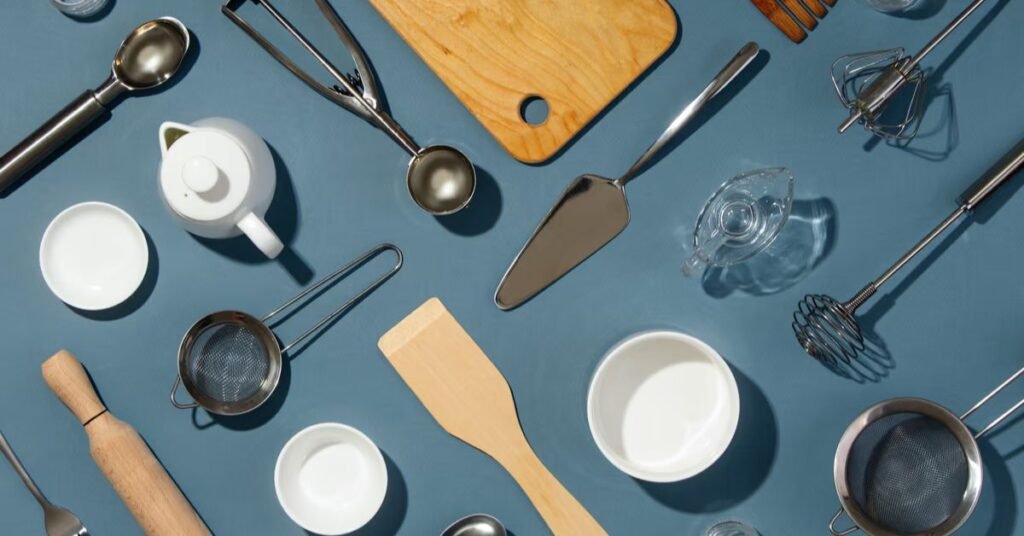
Every baking tool has a specific purpose. A mixer helps blend ingredients smoothly, while a thermometer helps check the correct oven temperature. Using quality tools saves time and helps you avoid common baking mistakes.
Beginners do not need a large collection of tools to start baking. A few essential tools can handle most recipes. As you gain experience, you can add more tools and improve your baking skills step by step.
Measuring Ingredients Correctly
Measuring ingredients correctly helps you create consistent baking results. Baking recipes need the right balance of flour, sugar, liquids, and other ingredients. Small measurement mistakes can change the texture, taste, and appearance of your cakes, cookies, and desserts.
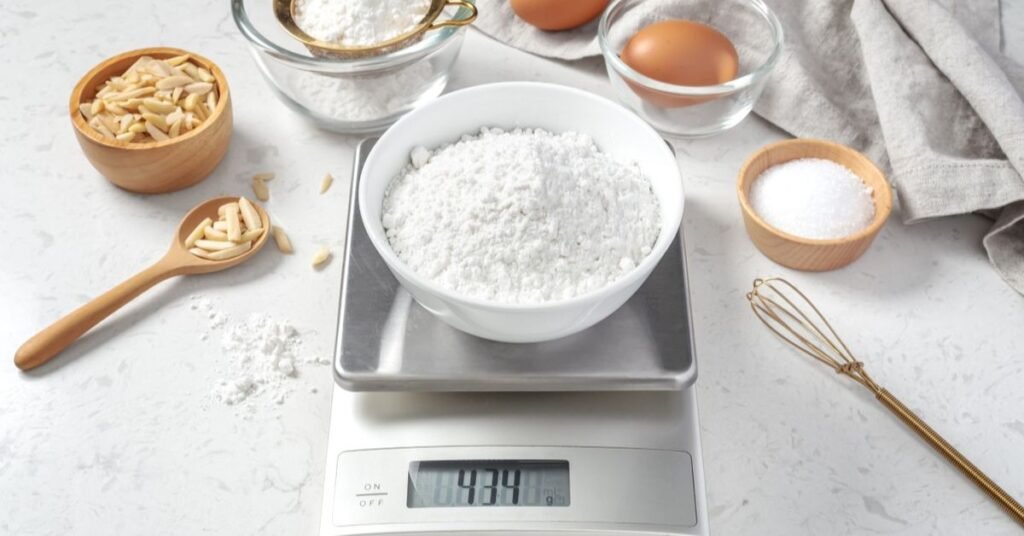
Always use proper measuring tools when preparing a recipe. Use measuring cups for dry ingredients and liquid measuring cups for milk, water, and oils. Level dry ingredients with a knife to avoid adding extra amounts that can make baked goods dense or dry.
Accurate measurements help beginners follow recipes with confidence. Weighing ingredients with a kitchen scale can provide even better results, especially for flour and other dry items. Good measuring habits help you bake soft, fluffy, and delicious treats every time.
Making Better Batter and Dough
Batter and dough create the base for many baked goods. A good mixture helps cakes become fluffy, and cookies stay soft. Beginners should mix ingredients carefully and follow the recipe steps to create the right texture.
Avoid overmixing batter and dough because it can make baked goods tough or heavy. Mix dry and wet ingredients until they combine well. Use the correct amount of flour, liquids, and fats to maintain the perfect balance.
Good preparation improves the final baking result. Letting dough rest when needed can improve flavor and texture. With practice, beginners can learn how to make a smooth batter and well-balanced dough for delicious homemade treats.
Oven Temperature and Baking Time
Oven temperature and baking time strongly affect the final result of your baked goods. The correct temperature helps cakes rise properly and cookies bake evenly. Always preheat your oven before placing your recipe inside to create a stable baking environment.
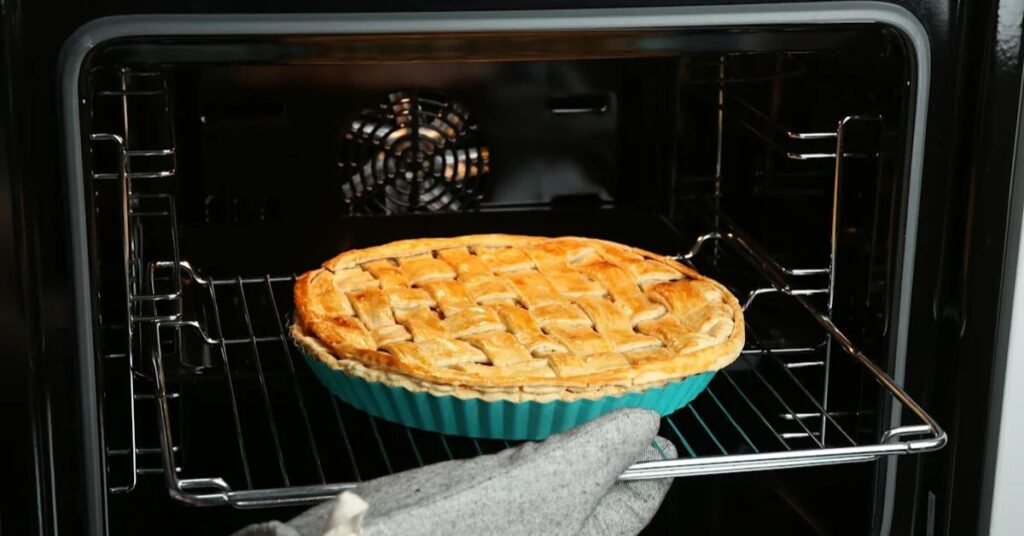
Use the recommended temperature and baking time from the recipe. Avoid opening the oven door too often because it can release heat and slow the baking process. An oven thermometer can help you check the actual temperature and improve accuracy.
Every oven works differently, so beginners should learn how their oven performs. Check baked goods near the end of the recommended time to prevent overbaking. Proper temperature control helps you create soft cookies, fluffy cakes, and perfectly baked desserts.
Baking Tips for Perfect Results
Perfect baking results come from using the right methods and paying attention to small details. Always follow the recipe steps carefully and prepare your ingredients before starting. Good preparation helps you create desserts with better flavor, texture, and appearance.
Use fresh ingredients and maintain the correct measurements for every recipe. Mix ingredients properly and avoid rushing the baking process. Simple habits like preheating the oven and checking baking time can improve your final results.
Practice helps you develop better baking skills over time. Learn from each recipe and adjust your techniques when needed. These simple baking habits help you make soft cookies, fluffy cakes, and delicious treats with confidence.
Avoiding Common Baking Mistakes
Many baking problems happen because of small mistakes during preparation. Using the wrong measurements, skipping steps, or choosing poor-quality ingredients can affect the final result. Beginners can avoid these issues by following recipes carefully and preparing everything before baking.
Overmixing batter, using an incorrect oven temperature, and opening the oven door too often can change the texture of baked goods. Always mix ingredients gently and follow the recommended baking time. These simple steps help you create better cakes, cookies, and desserts.
Learning from mistakes helps you become a more confident baker. Pay attention to what works and improve your methods with every recipe. By avoiding common errors, you can achieve soft, tasty, and consistent baking results.
Improving Flavor and Texture
Flavor and texture make baked goods more enjoyable. You can improve both by using fresh ingredients and choosing the right balance of flavors. Simple additions like vanilla, spices, chocolate, or fruits can make desserts taste richer and more appealing.
The mixing process also affects the final texture. Avoid overmixing because it can make cakes dense and cookies hard. Use the correct amount of fats, liquids, and dry ingredients to create soft, moist, and balanced baked goods.
Small baking adjustments can create better results. Proper baking time, ingredient quality, and storage methods help maintain freshness. With practice, you can create desserts with better taste, softness, and texture every time.
Storing Baked Goods Properly
Proper storage helps baked goods stay fresh and tasty for longer. Cakes, cookies, and breads need the right storage method to maintain their texture and flavor. Keeping them in clean, airtight containers protects them from air, moisture, and dryness.
Different baked goods need different storage conditions. Store cookies in sealed containers to keep them soft and crunchy. Wrap cakes properly before storing them to prevent moisture loss. Some desserts need refrigeration to maintain freshness and quality.
Good storage habits help you enjoy homemade treats for longer. Always allow baked goods to cool completely before storing them. Using the right containers and storage methods keeps your desserts delicious and fresh.
Healthy Baking Methods
Healthy baking methods help you create delicious treats with better ingredients. You can make simple changes by using whole grains, natural sweeteners, and healthier fats. These choices improve nutrition while keeping your baked goods enjoyable.
Choose fresh ingredients and control the amount of sugar and salt in your recipes. Add fruits, nuts, and seeds to increase flavor and nutrients. Small ingredient changes can make cakes, cookies, and breads healthier without losing taste.
Healthy baking also focuses on balanced portions and smart preparation. Use proper measurements and avoid adding unnecessary ingredients. These methods help you create homemade desserts that support a healthier lifestyle.
Advanced Baking Techniques
Advanced baking techniques help experienced bakers improve their skills and create professional-quality desserts. These methods include controlling ingredient temperatures, improving mixing techniques, and understanding how different ingredients react during baking. They help create better texture, flavor, and appearance.
Skilled bakers use techniques like folding, creaming, proofing, and precise temperature control to achieve consistent results. These methods require practice and attention to detail. Learning these skills helps you make lighter cakes, softer pastries, and well-structured baked goods.
Improving advanced baking skills takes time and experience. Experiment with new recipes and learn how small changes affect the final product. These techniques help you become a more confident baker and create impressive homemade desserts.
Improving Your Baking Skills
Improving your baking skills requires practice, patience, and a willingness to learn. Start with simple recipes and focus on basic techniques like measuring ingredients, mixing batter, and controlling oven temperature. Each baking experience helps you understand the process better.
Try new recipes and learn from your results. Pay attention to texture, flavor, and appearance after every bake. Keep notes about what works well and make small improvements in your methods. These habits help you become a more confident baker.
Good bakers continue learning and improving over time. Explore different techniques, ingredients, and baking styles to expand your skills. With regular practice and careful preparation, you can create delicious cakes, cookies, and desserts with better results.
Conclusion
Baking becomes easier when you follow simple techniques and understand each step. The right ingredients, proper measurements, and good baking methods help you create better cakes, cookies, and desserts. Small improvements can make a big difference in your results.
Keep practicing and learning new skills to become a better baker. Use these baking tips to improve your confidence and create delicious homemade treats. With patience and care, you can enjoy fresh and perfectly baked desserts every time.
FAQs
1. What are the most important baking tips for beginners?
Beginners should measure ingredients correctly, follow recipes carefully, and control oven temperature. These steps help create better baking results.
2. How can I make cakes more fluffy?
Use fresh ingredients, mix batter properly, and avoid overmixing. Correct measurements and oven temperature also help cakes rise well.
3. Why do my cookies become hard after baking?
Cookies often become hard because of overbaking, too much flour, or incorrect ingredient amounts. Follow the recipe and check baking time carefully.
4. How can I improve the flavor of my baked goods?
Use quality ingredients and add flavors like vanilla, spices, fruits, or chocolate. Proper mixing and baking methods also improve taste.
5. How should I store homemade baked goods?
Store baked goods in airtight containers after they cool completely. Proper storage helps maintain freshness, softness, and flavor.
Related Post

Premium Fish Food Options for Faster Growth and Better Health
Fish food provides essential nutrients that help aquarium fish grow, stay active, and maintain good…
One thought on “The Best Baking Tips for Fluffy Cakes and Soft Cookies”