

Premium Fish Food Options for Faster Growth and Better Health
flavoryplatter.com >> Uncategorized>> Premium Fish Food Options for Faster Growth and Better Health
Premium Fish Food Options for Faster Growth and Better Health
Fish food provides essential nutrients that help aquarium fish grow, stay active, and maintain good health. Quality fish food contains proteins, vitamins, and minerals that support their daily needs.
Choosing the right fish food can improve fish growth, color, and energy levels. A balanced diet helps aquarium fish stay stronger and healthier.
This guide explains premium fish food options, key nutrients, and feeding tips for different fish species. It helps you choose the right diet for better fish care.
Premium Fish Food for Growth and Health
Premium fish food helps aquarium fish receive the nutrients they need for healthy growth. It provides proteins, vitamins, and minerals that support strong bodies and active behavior. Quality food also helps fish maintain better energy and overall health.
Choosing the right fish food can improve your aquarium experience. A balanced diet helps fish develop brighter colors, stronger immunity, and better movement. Good nutrition also reduces health problems caused by poor feeding habits.
Premium fish food options include flakes, pellets, frozen foods, and specialty diets for different fish species. Selecting the right option for your fish type helps you create a healthier, more beautiful aquarium environment.
What Is Fish Food?
Fish food is a specially prepared diet that provides essential nutrients for aquarium and pond fish. It contains proteins, vitamins, minerals, and other ingredients that help fish grow and stay healthy. Different fish species need different types of food to meet their natural dietary needs.
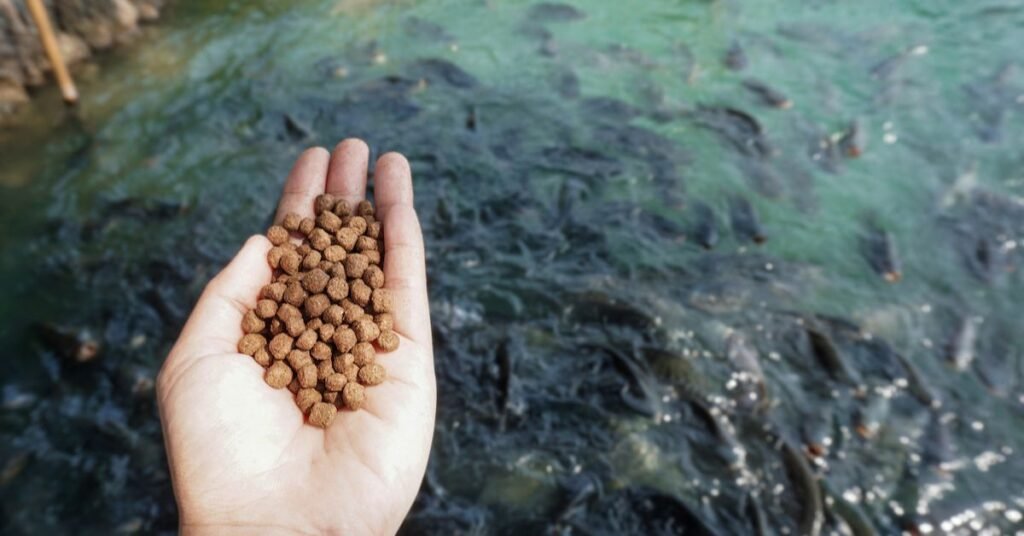
Fish owners use fish food to support daily nutrition and maintain active, healthy fish. A balanced diet helps fish build strong bodies, improve colors, and maintain proper energy levels. Good-quality food also supports better digestion and overall well-being.
Fish food comes in many forms, including flakes, pellets, granules, frozen foods, and live foods. Each type serves different fish needs and feeding habits. Choosing the right food helps create a healthy environment for aquarium fish.
Types of Fish Food
Fish owners can choose from several types of food based on their fish’s species, size, and feeding habits. Flakes and pellets work well for many aquarium fish. Frozen and live foods provide extra protein and encourage natural feeding behavior. Some fish also need plant-based foods to support digestion and balanced nutrition.
Each food type offers different benefits. Small surface-feeding fish often prefer flakes, while larger fish usually handle pellets better. Bottom-feeding fish need sinking tablets or wafers. You can also combine different food types to give your fish a more balanced and varied diet.
Table
| Fish Food Type | Best For | Main Ingredients | Key Benefits | Feeding Level | Storage Needs |
| Flake Food | Small tropical and community fish | Fish meal, algae, vitamins | Easy to eat and widely available | Daily feeding | Keep sealed in a cool, dry place |
| Pellets | Medium and large fish | Fish protein, grains, vitamins | Supports balanced growth and nutrition | Daily feeding | Store in an airtight container |
| Floating Pellets | Surface-feeding fish | Protein, oils, minerals | Lets owners watch feeding and control portions | Daily feeding | Keep dry and sealed |
| Sinking Pellets | Bottom and mid-water feeders | Protein, plant matter, minerals | Reaches fish that feed below the surface | Daily feeding | Store away from moisture |
| Granules | Small and medium fish | Fish meal, shrimp meal, vitamins | Provides easy-to-eat balanced nutrition | Daily feeding | Keep tightly closed |
| Frozen Food | Tropical and carnivorous fish | Bloodworms, brine shrimp, mysis shrimp | Adds protein and variety to the diet | Occasional or regular feeding | Keep frozen |
| Live Food | Carnivorous and growing fish | Brine shrimp, daphnia, worms | Encourages natural feeding behavior | Occasional feeding | Requires careful handling |
| Freeze-Dried Food | Tropical and carnivorous fish | Shrimp, worms, insects | Provides protein with easy storage | Occasional feeding | Keep dry and sealed |
| Algae Wafers | Plecos and algae-eating fish | Spirulina, algae, vegetables | Supports plant-based nutrition | Daily or regular feeding | Store in a dry place |
| Vegetable-Based Food | Herbivorous fish | Spirulina, peas, spinach, algae | Supports digestion and natural diet needs | Regular feeding | Follow product storage instructions |
| Tablets | Bottom feeders and community tanks | Protein, algae, vitamins | Sinks slowly and feeds bottom-dwelling fish | Regular feeding | Keep sealed and dry |
| Gel Food | Many freshwater and marine fish | Protein, vegetables, vitamins | Allows owners to control ingredients and texture | Regular feeding | Refrigerate after preparation |
| Medicated Food | Fish that need specific treatment | Food base with approved medication | Helps deliver treatment through feeding | Only when required | Follow product instructions carefully |
Choosing Food for Fish Species
Choosing the right food for fish species helps them grow properly and stay healthy. Every fish has different dietary needs based on its size, habitat, and natural eating habits. Some fish need more protein, while others need more plant-based ingredients.
Carnivorous fish require protein-rich foods like pellets, frozen food, and live food. Herbivorous fish need vegetables, algae, and plant-based diets for better digestion. Omnivorous fish benefit from a balanced mix of proteins and plant nutrients.
Before selecting fish food, consider your fish species, age, and feeding behavior. The right diet improves growth, color, energy, and overall health. A suitable feeding plan also helps maintain a clean and healthy aquarium environment.
Nutrients for Fish Growth
Fish need a balanced diet to grow strong and maintain good health. Essential nutrients provide energy, support body development, and improve daily activity. High-quality food contains the right combination of nutrients that help fish grow properly.
Protein plays an important role in fish growth because it supports muscle development and tissue repair. Vitamins help strengthen immunity and improve overall health. Minerals support strong bones, proper body functions, and better development.
Healthy fats, such as omega fatty acids, provide energy and support better color and movement. Carbohydrates also give fish additional energy for daily activities. Choosing fish food with balanced nutrients helps aquarium fish stay active, healthy, and strong.
Food for Tropical Fish
Tropical fish need a balanced diet to support growth, energy, and bright colors. Their food should contain proteins, vitamins, minerals, and healthy fats. High-quality flakes, pellets, and granules can provide the nutrition they need every day.
Different tropical fish have different feeding habits. Some fish prefer protein-rich foods, while others need more plant-based ingredients. Foods like brine shrimp, algae, and vegetable-based options can support a healthy and varied diet.
Choosing the right food for tropical fish helps improve their health and appearance. Proper feeding also supports strong immunity and active behavior. A suitable diet keeps tropical fish healthier and creates a more beautiful aquarium environment.
Food for Goldfish and Freshwater Fish
Goldfish and freshwater fish need a balanced diet to stay active and healthy. Their food should provide proteins, vitamins, minerals, and fiber. High-quality flakes, pellets, and sinking foods can support their daily nutritional needs.
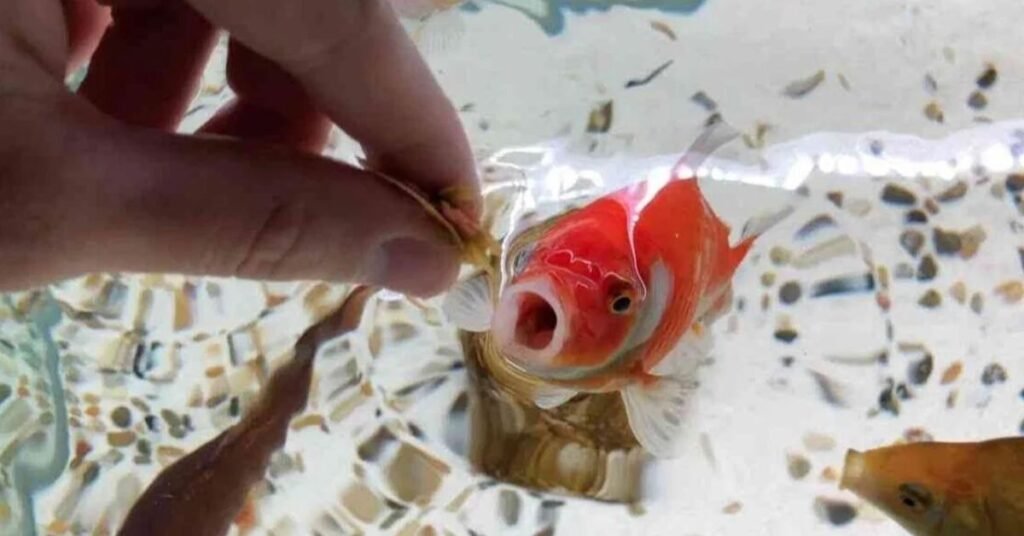
Goldfish often need foods with more fiber because it helps digestion and prevents health issues. Freshwater fish may need different diets based on their species, size, and feeding habits. Some fish prefer plant-based foods, while others need more protein-rich options.
Choosing the right food helps goldfish and freshwater fish grow stronger and maintain bright colors. Feeding the correct amount also keeps the aquarium clean and reduces waste. A healthy diet creates better living conditions for your fish.
Fish Color and Health Benefits
Quality fish food can improve the natural colors of aquarium fish. Foods with ingredients like carotenoids, vitamins, and minerals help enhance bright and attractive colors. A nutritious diet allows fish to display their best appearance.
A balanced diet also supports better fish health. Essential nutrients strengthen immunity, improve energy levels, and support proper growth. Healthy fish show active movement and handle daily stress more easily.
Choosing the right food provides long-term benefits for aquarium fish. Good nutrition helps maintain strong bodies, healthy fins, and better overall condition. Regular feeding with quality food creates a healthier aquarium environment.
Dry, Frozen, and Live Food
Dry, frozen, and live foods provide different benefits for aquarium fish. it like flakes and pellets, offer easy storage and daily feeding convenience. They contain essential nutrients that support regular growth and health.
Frozen foods provide high-quality nutrition and add variety to a fish’s diet. Foods like frozen brine shrimp and bloodworms supply extra protein for many tropical and carnivorous fish. Proper storage helps maintain their freshness and quality.
Live foods offer a natural feeding experience for fish. They encourage hunting behavior and provide valuable nutrients for growth. However, fish owners should handle live foods carefully to maintain aquarium health and safety.
Key Fish Food Ingredients
Fish food contains different ingredients that support growth, energy, and overall health. High-quality foods include proteins, vitamins, minerals, and healthy fats. These nutrients help fish build strong bodies and maintain active behavior.
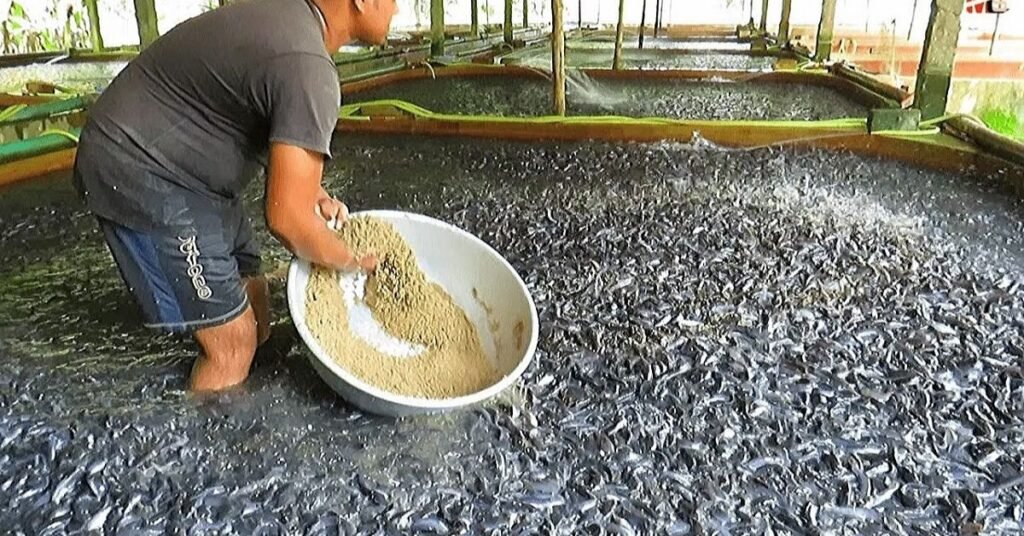
Protein is one of the most important ingredients in fish food. It supports muscle growth and tissue repair. Vitamins and minerals strengthen immunity, improve development, and help fish maintain better health.
Other ingredients like algae, omega fatty acids, and vegetables provide additional benefits. They support digestion, improve natural colors, and provide essential energy. Choosing fish food with balanced ingredients helps aquarium fish live healthier lives.
Fish Feeding Schedule
A proper fish feeding schedule helps aquarium fish stay healthy and active. Most fish need regular meals with the right amount of food. Feeding at the same time each day helps fish develop a healthy routine.
The feeding frequency depends on the fish species, age, and size. Small and active fish may need food once or twice a day. Young fish often require more frequent feeding because they need extra nutrients for growth.
Avoid overfeeding because extra food can pollute the aquarium water. Give only the amount your fish can eat within a few minutes. A balanced feeding schedule keeps fish healthy and maintains a cleaner aquarium environment.
Common Feeding Mistakes
Many fish owners make feeding mistakes that can affect fish health. Overfeeding is one of the most common problems. Too much food creates waste, lowers water quality, and can cause health issues for aquarium fish.
Using the wrong type of food can also harm fish growth and development. Different fish species have different dietary needs. Feeding unsuitable food may prevent fish from getting the nutrients they need.
Skipping feeding schedules or giving poor-quality food can reduce fish energy and immunity. Owners should choose quality food, provide proper portions, and follow a regular feeding routine. These simple steps help fish stay healthy and active.
Storing Fish Food Properly
Proper storage helps maintain the quality and freshness of fish food. Exposure to moisture, heat, and air can reduce nutrients and affect food quality. Keeping fish food in a cool and dry place helps protect its value.
Always store fish food in an airtight container after opening the package. A sealed container prevents moisture, dust, and harmful bacteria from entering the food. It also helps preserve the taste and nutritional benefits.
Check the expiry date before feeding fish and replace old food when needed. Fresh fish food provides better nutrition and supports healthy growth. Good storage habits help aquarium fish receive safe and high-quality meals.
Conclusion
Choosing the right fish food helps aquarium fish grow, stay active, and maintain good health. A balanced diet with essential nutrients improves fish color, energy, and overall condition. Understanding your fish species and feeding needs helps you make better food choices.
Quality fish food, proper portions, and good storage habits create a healthier aquarium environment. When you provide the right nutrition, your fish can live stronger and happier lives.
FAQs
1. What is the best food for aquarium fish?
The best fish food depends on the fish species, size, and diet needs. High-quality flakes, pellets, and specialty foods provide balanced nutrition.
2. How often should I feed my fish?
Most aquarium fish need feeding once or twice a day. Feed only the amount they can eat within a few minutes.
3. Can fish eat the same food every day?
Some fish can eat the same food daily, but a varied diet often provides better nutrition and supports overall health.
4. How do I choose food for different fish species?
Choose food based on your fish type, natural diet, feeding level, and nutritional requirements.
5. How should I store fish food?
Store fish food in an airtight container in a cool, dry place to maintain freshness and nutritional quality.
Related Post

Homemade Banana Oatmeal Cookies Everyone Will Love
Homemade banana oatmeal cookies combine ripe bananas with wholesome oats to create a soft and…