

Delicious Gluten-Free Biscuit Recipe for Any Occasion
flavoryplatter.com >> Uncategorized>> Delicious Gluten-Free Biscuit Recipe for Any Occasion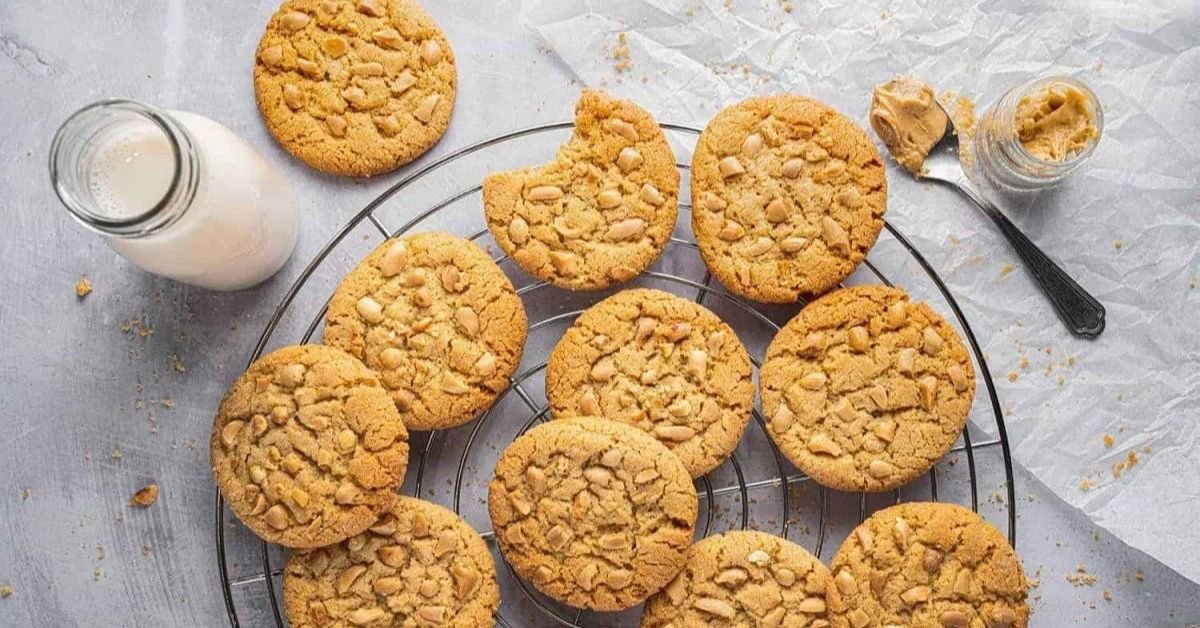
Delicious Gluten-Free Biscuit Recipe for Any Occasion
A gluten-free biscuit recipe uses flour and other ingredients that don’t contain gluten. These biscuits offer a tasty option for people who avoid wheat. Simple ingredients make them soft and fluffy. They also bring delicious flavor to your breakfast or snack time.
Is there anything better than warm, buttery biscuits straight from the oven? These homemade biscuits can make any meal more enjoyable. Their golden edges and soft centers create a delicious bite. You can serve them with butter, honey, jam, or your favorite spread.
Simple ingredients and baking steps are used in this gluten-free biscuit recipe. Mix the dough, shape the biscuits, and bake them until golden brown. You can also adjust the flavor with herbs, cheese, or other favorite ingredients. These biscuits make a great choice for breakfast, lunch, dinner, or family gatherings.
Understanding Gluten-Free Biscuits
Gluten-free biscuits use flour that does not contain gluten. Bakers often choose rice flour, almond flour, or gluten-free flour blends. These ingredients help create tasty biscuits without regular wheat flour. They offer a delicious option for people who avoid gluten.
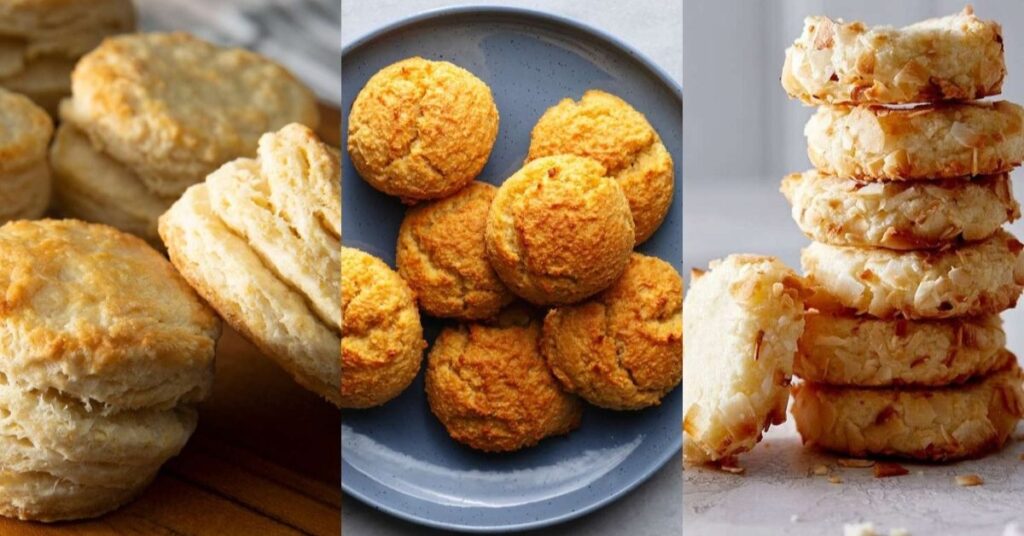
Gluten-free biscuits can have a soft center and a golden crust. The right ingredients help improve their taste and texture. Butter adds richness, while milk keeps the dough moist. Baking powder helps the biscuits rise and become fluffy.
You can enjoy these biscuits at breakfast, lunch, or snack time. Serve them with butter, honey, jam, or cheese. You can also add herbs or other ingredients to create new flavors. Homemade biscuits let you control the ingredients and enjoy fresh results.
Benefits of Gluten-Free Baking
Gluten-free baking offers a tasty way to prepare food without wheat, barley, or rye. It helps people with celiac disease avoid gluten in their meals. It also gives home bakers more choices when they select flour and other ingredients. You can make delicious biscuits while meeting your dietary needs.
Gluten-free baking encourages you to try different ingredients. You can use almond flour, rice flour, or oat flour to create new flavors. These options add variety to your recipes. You can also mix different gluten-free flours to improve the texture and taste of your biscuits.
Another benefit is the freedom to control your ingredients. You can choose fresh products and adjust the sweetness, flavor, and texture. You can also add cheese, herbs, or seeds for extra taste. With simple techniques, you can bake fresh biscuits for breakfast, snacks, and family meals.
Choosing the Best Gluten-Free Flour
Choosing the right flour helps you bake soft and tasty gluten-free biscuits. Regular wheat flour contains gluten, so you need a suitable alternative. Rice flour, almond flour, and oat flour offer good options. Each flour adds a different flavor and texture to your biscuits.
Gluten-free flour blends also work well for biscuit recipes. Many blends combine rice flour, tapioca starch, and potato starch. These ingredients help create a lighter texture and improve the dough. Choose a blend that includes xanthan gum to help bind the ingredients together.
You can also mix different gluten-free flours to get better results. Use a reliable flour blend for your first batch. Check the package label to confirm that it contains no gluten. The right flour helps you bake golden biscuits with a soft center and delicious taste.
Essential Ingredients for Biscuits
Fresh ingredients help you bake soft, fluffy, and delicious gluten-free biscuits. Each ingredient plays an important role in the recipe. Gluten-free flour creates the base, while butter adds a rich taste. Milk brings moisture to the dough, and baking powder helps the biscuits rise. Salt and a little sugar improve the overall flavor.
You can also add a few optional ingredients to improve the taste and texture. Eggs help bind the dough, while honey adds natural sweetness. Xanthan gum helps hold gluten-free ingredients together. Choose fresh, high-quality ingredients to get better baking results. Use the following table to understand each ingredient and its purpose.
| Ingredient | Recommended Amount | Purpose in the Recipe | Best Tips |
| Gluten-Free Flour | 2 cups | Creates the biscuit dough | Choose a baking blend |
| Unsalted Butter | ½ cup | Adds rich flavor and tenderness | Keep it cold before mixing |
| Milk | ¾ cup | Adds moisture to the dough | Use cold milk for better texture |
| Baking Powder | 1 tablespoon | Helps biscuits rise | Check its freshness |
| Salt | ½ teaspoon | Balances the flavor | Adjust according to taste |
| Sugar | 1 tablespoon | Adds mild sweetness | Use less for savory biscuits |
| Egg | 1 large | Helps bind the ingredients | Use at room temperature |
| Xanthan Gum | ½ teaspoon | Improves dough structure | Add only if your flour blend needs it |
| Honey | 1 tablespoon | Adds natural sweetness | Use for a mild honey flavor |
| Cream of Tartar | ½ teaspoon | Supports a tender texture | Combine with baking soda if needed |
| Garlic Powder | ½ teaspoon | Adds savory flavor | Use for garlic biscuits |
| Shredded Cheese | ½ cup | Adds a cheesy taste | Choose cheddar or mozzarella |
| Dried Herbs | 1 teaspoon | Adds aroma and flavor | Try parsley or oregano |
Best Butter and Milk Options
Butter and milk play an important role in making soft and tasty gluten-free biscuits. Butter adds a rich flavor and creates a tender texture. Cold unsalted butter works best because it helps form flaky layers. Cut the butter into small pieces before mixing it with the flour.
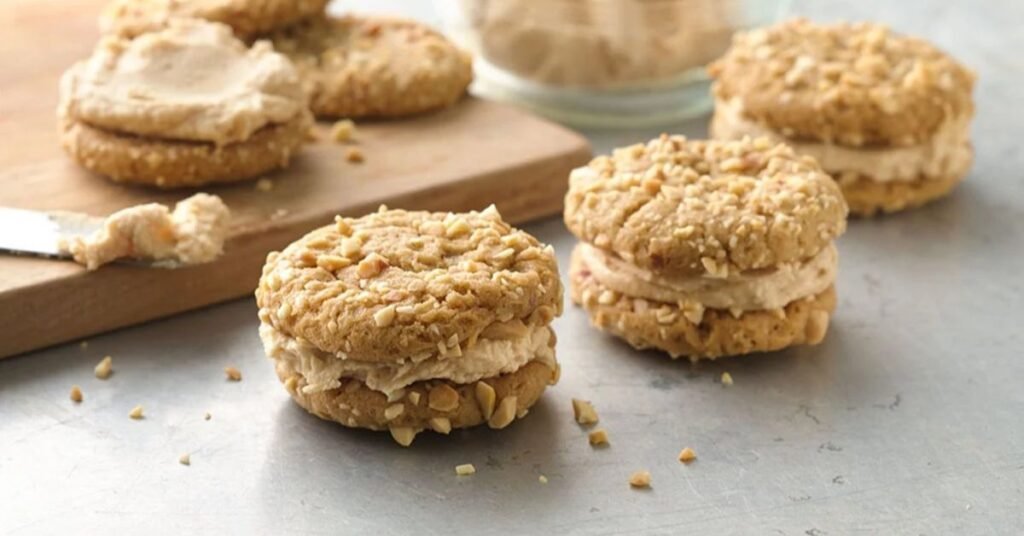
Milk adds moisture and helps bring the biscuit dough together. Whole milk gives a creamy taste and soft texture. You can also use almond milk, coconut milk, or oat milk as dairy-free options. Choose unsweetened varieties to control the flavor of your biscuits.
For the best results, keep your butter and milk cold before preparing the dough. Avoid adding too much liquid because it can make the dough sticky. Mix the ingredients gently to create a soft dough. These simple choices help you bake golden biscuits with a fluffy center.
Gluten-Free Biscuit Recipe: Step-by-Step Guide
Start by gathering all your ingredients. Take gluten-free flour, cold butter, milk, baking powder, salt, and a little sugar. Preheat your oven to 425°F (220°C). Add the flour, baking powder, salt, and sugar to a large bowl. Mix these dry ingredients well. Cut the cold butter into small pieces and rub it into the flour until the mixture looks crumbly.
Slowly pour the cold milk into the flour mixture. Stir gently until the ingredients form a soft dough. Avoid mixing too much because it can make the biscuits dense. Place the dough on a lightly floured surface. Roll it out gently and cut small biscuit shapes with a round cutter. Place each biscuit on a lined baking tray.
Bake the biscuits for 12–15 minutes, until they turn golden on top. Remove the tray from the oven and let the biscuits cool slightly. Brush the tops with melted butter for extra flavor. Serve them warm with honey, jam, cheese, or your favorite spread. These simple steps help you prepare fresh and delicious gluten-free biscuits at home.
Preparing and Mixing the Dough
Start by adding gluten-free flour, baking powder, salt, and sugar to a large mixing bowl. Stir the dry ingredients with a whisk to combine them evenly. Cut cold butter into small cubes and add it to the flour mixture. Rub the butter into the flour until it forms small crumbs. This step helps create soft and flaky biscuits.
Slowly pour cold milk into the bowl. Use a spoon or spatula to mix everything gently. Add enough milk to bring the ingredients together. Avoid adding too much liquid because it can make the dough sticky. Mix until the dough looks soft and slightly crumbly.
Transfer the dough to a clean surface dusted with gluten-free flour. Gently bring the dough together with your hands. Avoid kneading it too much because overmixing can make the biscuits heavy. Keep the dough soft and smooth before shaping it. Proper mixing helps you bake light and fluffy biscuits.
Shaping and Cutting Perfect Biscuits
Start by placing the prepared dough on a clean surface. Sprinkle a little gluten-free flour to prevent sticking. Gently press the dough with your hands to create an even layer. Keep the dough about half an inch thick. Avoid pressing too hard because gentle handling helps maintain a soft texture.
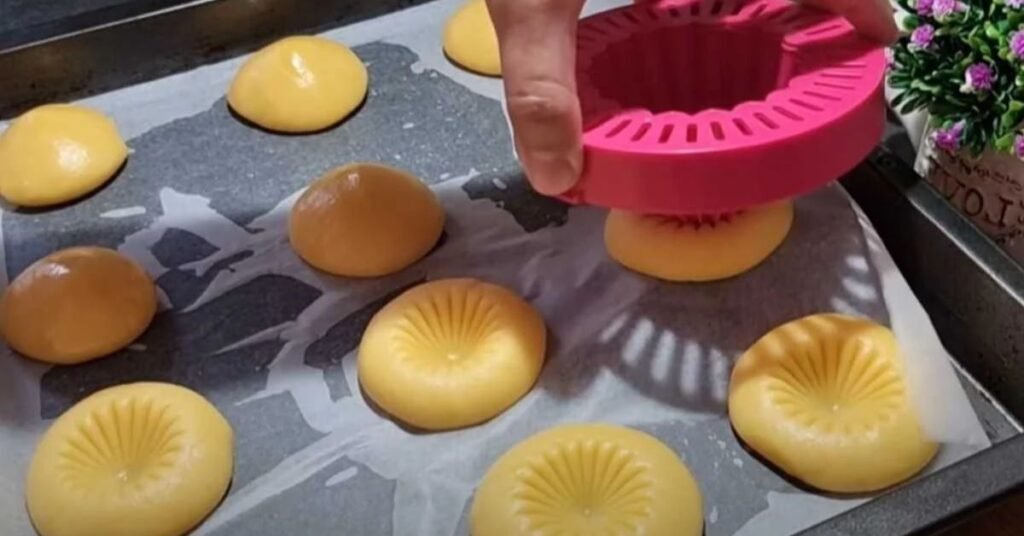
Use a round biscuit cutter to cut the dough into equal shapes. Press the cutter straight down without twisting it. Twisting can seal the edges and prevent the biscuits from rising properly. Place each biscuit on a baking tray lined with parchment paper. Leave a little space between each piece.
Gather the leftover dough and gently bring it together. Cut more biscuits until you use all the dough. Avoid kneading the scraps too much because this can make the biscuits dense. Keep the shapes similar in size to help them bake evenly. Proper shaping gives your biscuits a beautiful appearance and a soft center.
Choosing the Right Baking Temperature
The right oven temperature helps you bake soft and fluffy gluten-free biscuits. Preheat your oven to 425°F (220°C) before placing the biscuits inside. This temperature helps the dough rise quickly and creates a golden outer crust. Always preheat the oven to get even baking results.
Place the baking tray on the middle oven rack. This position allows hot air to reach the biscuits evenly. Bake them for about 12–15 minutes. Watch the tops as they turn light golden brown. Avoid using very high heat because it can burn the outside before the center cooks properly.
Check the biscuits before removing them from the oven. Their tops should look golden, and their centers should feel fully baked. Use a toothpick if needed to check the middle. Let the biscuits rest for a few minutes after baking. Proper temperature control helps you serve tender and delicious biscuits every time.
Tips for Soft and Fluffy Biscuits
Use the right gluten-free flour blend to create soft and fluffy biscuits. Choose a blend that combines rice flour, tapioca starch, or potato starch. Add fresh baking powder to help the dough rise. Cold butter also makes a big difference. It creates small pockets that give the biscuits a light and tender texture.
Mix the dough gently and avoid overworking it. Too much mixing can make the biscuits dense and hard. Add milk slowly to control the dough’s moisture. Keep the dough soft but not too sticky. Cut the biscuits with a sharp cutter and avoid twisting it. These simple steps help the biscuits rise evenly.
Always preheat your oven before baking. Use the recommended temperature to cook the biscuits evenly. Avoid opening the oven door too often because it can lower the heat. Remove the biscuits when their tops turn golden brown. Let them rest briefly before serving to keep their centers soft and delicious.
Common Biscuit Baking Mistakes
Using the wrong flour can affect the texture of gluten-free biscuits. Some flour blends create dry or heavy dough. Always choose a good gluten-free baking blend. Another common mistake is using warm butter. Soft or melted butter can reduce the flaky texture. Keep the butter cold to get better baking results.
Overmixing the dough can make biscuits tough and dense. Mix the ingredients gently until they come together. Adding too much milk can also make the dough sticky and difficult to shape. Measure each ingredient carefully to maintain the right consistency. Avoid twisting the biscuit cutter because it can stop the edges from rising properly.
Incorrect oven temperature can also spoil your biscuits. A cold oven may prevent the dough from rising properly. Very high heat can burn the outside before the center cooks. Always preheat your oven and follow the recommended baking time. Check the biscuits before removing them to make sure they bake evenly.
Serving Ideas and Flavor Variations
Serve warm gluten-free biscuits with butter, honey, or homemade jam. These simple toppings add delicious flavor to every bite. You can also pair them with scrambled eggs, cheese, or fresh fruit. Enjoy them with tea or coffee for a quick breakfast or afternoon snack.
You can change the biscuit flavor by adding different ingredients. Mix shredded cheddar cheese, garlic powder, or dried herbs into the dough for a savory taste. Add cinnamon, vanilla, or a little honey for a sweeter version. These ingredients help you create tasty biscuits for different occasions.
Try serving your biscuits with soups, salads, or roasted chicken. You can also split them and add eggs, cheese, or cooked vegetables to make small sandwiches. Choose your favorite toppings and create new combinations. These serving ideas make homemade biscuits more enjoyable for the whole family.
Storing and Reheating Homemade Biscuits
Store leftover gluten-free biscuits properly to keep them fresh and tasty. Let the biscuits cool completely before storing them. Place them in an airtight container to prevent moisture loss. Keep the container at room temperature for up to two days. You can also refrigerate them for up to five days.
Freezing offers a good way to store biscuits for longer periods. Wrap each biscuit in plastic wrap or place them in a freezer-safe bag. Remove excess air before sealing the bag. Freeze the biscuits for up to three months. Label the bag with the storage date to track freshness.
Reheat the biscuits before serving to bring back their soft texture. Place them in an oven at 300°F (150°C) for about 5–8 minutes. You can also warm them in a microwave for 15–20 seconds. Cover them with a slightly damp paper towel to prevent dryness. Serve the warm biscuits with butter, honey, or your favorite spread.
Conclusion
Homemade gluten-free biscuits offer a simple and delicious treat for any occasion. You can prepare them with easy ingredients and simple baking steps. Choose the right flour, use cold butter, and mix the dough gently. Follow the correct baking temperature to create soft, fluffy, and golden biscuits.
Try different flavors and toppings to make each batch special. Serve your biscuits with butter, honey, jam, or cheese. Store leftovers properly to enjoy them later. With a little practice, you can bake delicious gluten-free biscuits that your whole family will love.
FAQs
1. What flour works best for gluten-free biscuits?
Rice flour, almond flour, and gluten-free flour blends work well for making soft and tasty biscuits.
2. How do I make gluten-free biscuits fluffy?
Use cold butter, fresh baking powder, and gentle mixing to create light and fluffy biscuits.
3. Can I make gluten-free biscuits without milk?
Yes, you can use almond milk, oat milk, or coconut milk instead of regular milk.
4. How long should I bake gluten-free biscuits?
Bake the biscuits at 425°F (220°C) for about 12–15 minutes until their tops turn golden brown.
5. How should I store homemade gluten-free biscuits?
Keep cooled biscuits in an airtight container at room temperature for up to two days or freeze them for up to three months.
Related Post

Easy Gluten-Free Pizza Crust Recipe Without Complicated Steps
A gluten-free pizza crust uses gluten-free flour instead of regular wheat flour. It gives people…