

Easy Gluten-Free Pizza Crust Recipe Without Complicated Steps
flavoryplatter.com >> Uncategorized>> Easy Gluten-Free Pizza Crust Recipe Without Complicated Steps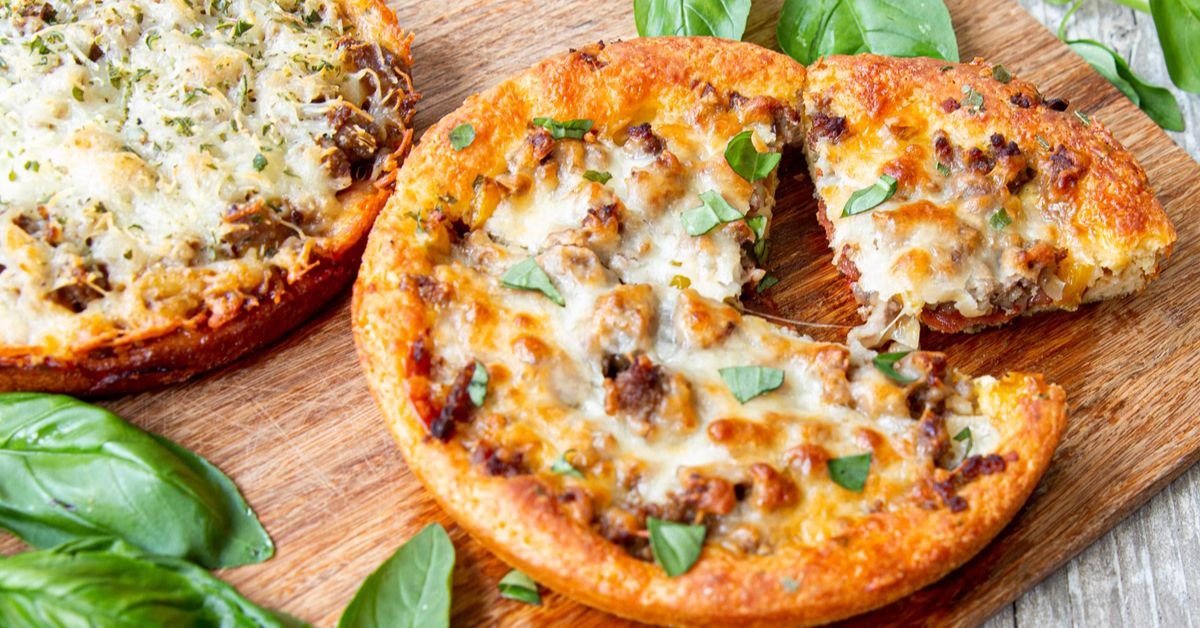
Easy Gluten-Free Pizza Crust Recipe Without Complicated Steps
A gluten-free pizza crust uses gluten-free flour instead of regular wheat flour. It gives people an easy way to enjoy homemade pizza without gluten. You can make a fresh crust with simple ingredients and basic kitchen tools.
Making pizza at home does not have to feel difficult. You can mix the ingredients, shape the dough, and bake a tasty crust with little effort. A good crust can turn a simple pizza night into a fun homemade meal.
This easy gluten-free pizza crust recipe keeps each step simple. You can create a crust with a crisp outside and a soft center. Add your favorite sauce, cheese, and toppings to build a pizza that suits your taste.
Gluten-Free Pizza Crust Recipe
This gluten-free pizza crust recipe makes a tasty homemade base without wheat flour. It uses simple ingredients to create a soft, easy-to-shape dough. You can prepare the crust with basic kitchen tools and bake it until golden and crisp.
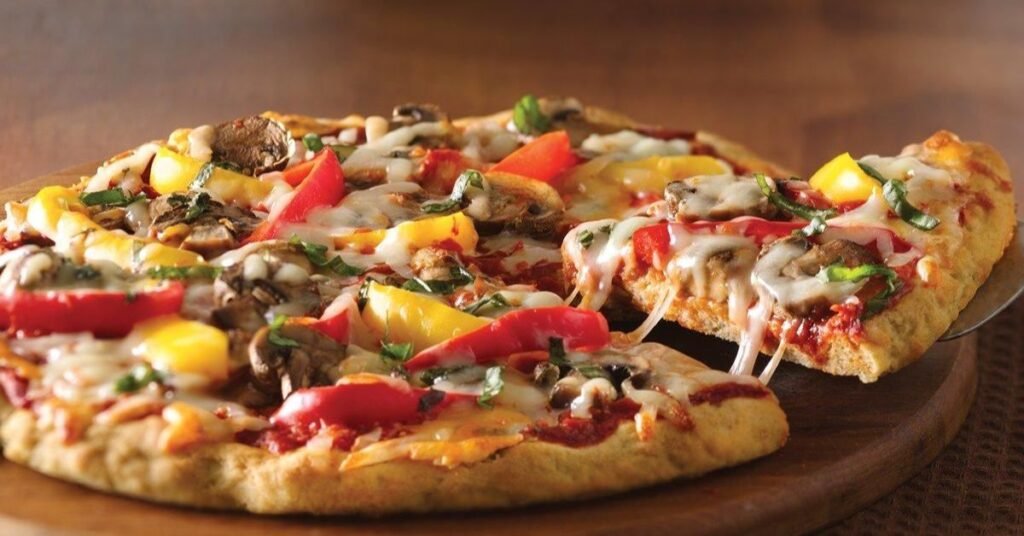
Start by mixing your gluten-free flour with the other dry ingredients. Add the wet ingredients and stir until the mixture forms a dough. Shape the dough into your preferred size and thickness before baking.
You can make this crust thin, thick, soft, or crispy. Add pizza sauce, cheese, vegetables, or your favorite toppings after baking or before the final bake. This simple method helps you create fresh homemade pizza with less effort.
Key Ingredients
Gluten-free flour forms the main base of the pizza crust. Use a good gluten-free flour blend for a better texture. Make sure the blend works well for baking bread or pizza.
Yeast helps the dough rise and gives the crust a light texture. Warm water activates the yeast. Olive oil adds moisture and helps create a tender crust. Salt also adds a balanced flavor.
Xanthan gum helps bind the dough when the flour blend does not contain it. You can add a little sugar to support the yeast and improve browning. These simple ingredients help you make a flavorful and easy pizza crust.
Best Gluten-Free Flour
Choose a gluten-free flour blend that combines several flours and starches. Rice flour, tapioca starch, and potato starch can create a balanced texture. Look for a blend that includes xanthan gum for better dough structure. This choice can help you shape the crust without making it too dry or crumbly.
Different flours create different results. Some make a crisp crust, while others add softness or a richer taste. Use the table below to compare popular options and choose the flour that matches your preferred pizza style.
| Gluten-Free Flour | Texture | Flavor | Best Use | Crust Result | Key Benefit |
| Rice Flour | Light and smooth | Mild | Thin pizza crust | Crisp and light | Easy to use |
| Brown Rice Flour | Slightly grainy | Nutty | Rustic pizza | Firm and crisp | Adds more flavor |
| Oat Flour | Soft | Mild and slightly sweet | Soft pizza crust | Tender and chewy | Adds softness |
| Almond Flour | Moist and dense | Rich and nutty | Low-carb-style crust | Soft and tender | Adds healthy fats |
| Tapioca Flour | Stretchy | Mild | Crispy crust blends | Crisp outside | Improves texture |
| Potato Starch | Light | Neutral | Flour blends | Soft and airy | Adds moisture |
| Sorghum Flour | Smooth | Mild and earthy | Everyday pizza | Soft and chewy | Adds depth |
| Chickpea Flour | Dense | Earthy | Savory crust | Firm and hearty | Adds protein |
| Buckwheat Flour | Hearty | Strong and nutty | Rustic pizza | Dense and flavorful | Adds bold taste |
| Gluten-Free All-Purpose Blend | Balanced | Mild | General pizza making | Soft with crisp edges | Easy and convenient |
Required Tools
You do not need many tools to make a gluten-free pizza crust. A large mixing bowl helps you combine the ingredients easily. Use measuring cups and spoons to measure each ingredient accurately.
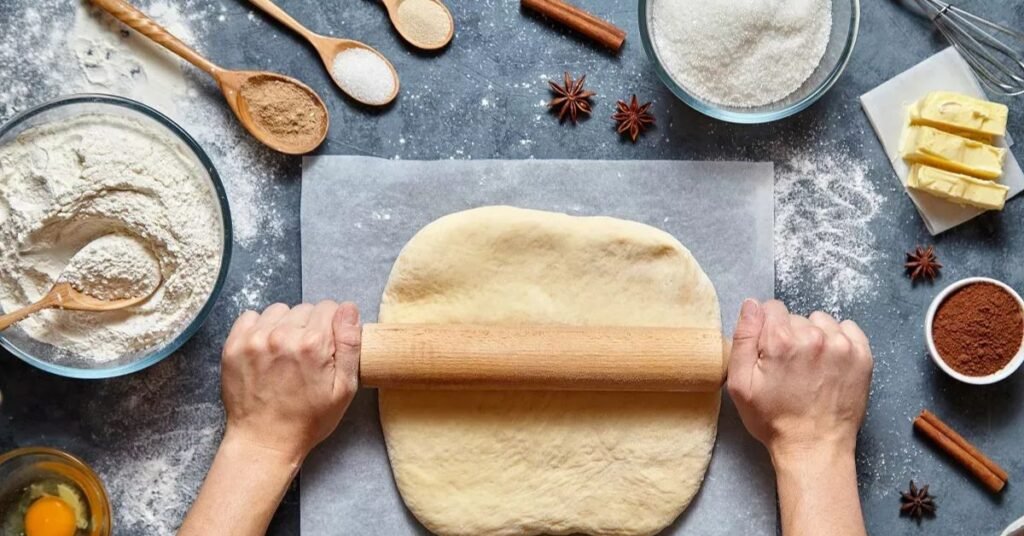
A sturdy spoon or spatula helps you mix the dough. Use a rolling pin if you want to flatten the crust evenly. You can also use your hands to shape the dough on parchment paper.
A baking sheet or pizza pan gives the crust a stable surface. Parchment paper prevents sticking and makes cleanup easier. A reliable oven then bakes the crust until it turns golden and crisp.
Making the Dough
Start by adding your gluten-free flour, yeast, and salt to a large bowl. Mix the dry ingredients well. Add warm water and olive oil. Stir everything with a spoon until the mixture forms a soft dough.
Gluten-free dough often feels stickier than regular pizza dough. Do not add too much flour. Use a little olive oil on your hands to make shaping easier. Mix the dough until it looks smooth and holds together.
Cover the bowl and let the dough rest in a warm place. Give the yeast time to work and improve the texture. After resting, check the dough and shape it for baking.
Shaping the Crust
Place the dough on parchment paper or a lightly oiled surface. Use your hands to gently press the dough into a round shape. Keep the edges slightly thicker if you want a classic pizza crust.
Use your fingertips or a rolling pin to spread the dough evenly. Avoid pressing the dough too hard. Gluten-free dough can break easily, so handle it gently. Keep the crust about the same thickness across the center.
Shape the crust to match your preferred pizza style. Make it thin for a crisp bite or thicker for a soft center. Leave a small raised edge around the outside. Add your sauce and toppings once you finish shaping.
Getting a Crispy Crust
A hot oven helps you create a crisp gluten-free pizza crust. Preheat the oven well before you bake the pizza. Use a pizza pan or baking sheet that can handle high heat. This step helps the crust cook evenly.
Brush a thin layer of olive oil over the crust before baking. Keep the dough fairly thin if you want extra crunch. Avoid adding too much sauce or wet toppings. Extra moisture can make the crust soft.
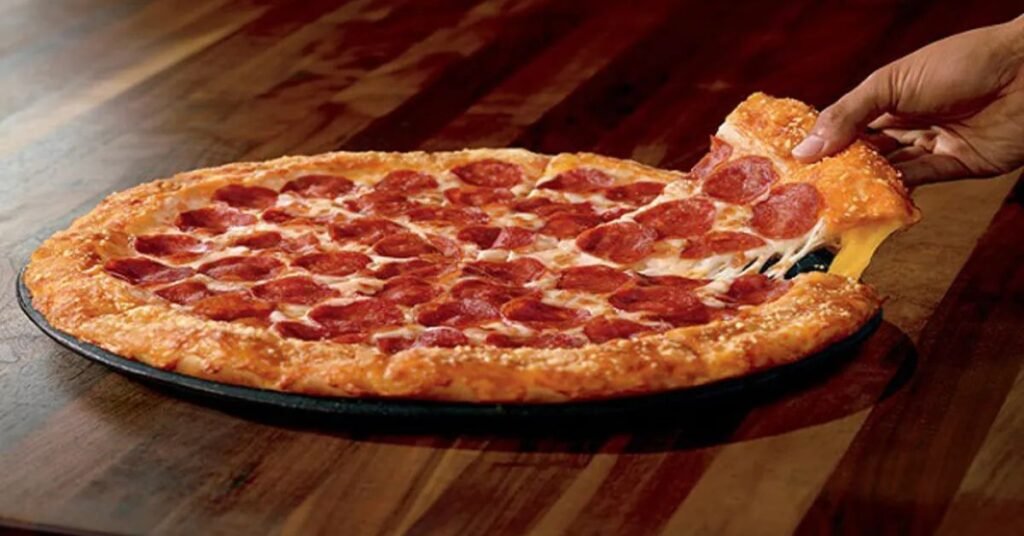
Bake the pizza until the edges turn golden and the bottom feels firm. You can place the crust on a hot baking surface for better browning. Let the pizza cool for a few minutes after baking. This short rest helps the crust stay crisp.
Baking Tips
Preheat your oven before you bake the crust. A fully heated oven helps the dough cook evenly. Set the oven to a high temperature that suits your recipe. Place the baking pan inside while the oven heats if you want a crispier bottom.
Spread the dough evenly across the pan. Keep the center slightly thinner than the edges if you want a crisp bite. Brush a little olive oil over the surface. Avoid adding too many wet toppings because they can soften the crust.
Watch the crust as it bakes. Look for golden edges and a firm center. Baking time can vary with crust thickness and oven type. Let the pizza rest for a few minutes before slicing so the crust can set.
Topping Ideas
Choose fresh toppings to give your pizza more flavor. Spread a thin layer of pizza sauce over the crust. Add mozzarella cheese, sliced tomatoes, mushrooms, bell peppers, or onions. These simple toppings create a colorful and tasty pizza.
You can also add cooked chicken, turkey, olives, spinach, or fresh basil. Try different cheese options for a richer taste. Use herbs like oregano and Italian seasoning to add extra flavor. Keep the toppings balanced so they do not make the crust soggy.
For a fun twist, try roasted vegetables or grilled chicken. You can also create a simple cheese pizza for picky eaters. Add your favorite ingredients and adjust the toppings to match your taste. Fresh and balanced toppings will make your homemade pizza more enjoyable.
Crust Variations
You can change the crust to match your favorite pizza style. Make a thin crust for a light and crispy bite. Make a thick crust when you want a soft and filling pizza. Adjust the dough thickness to control the final texture.
Add herbs and seasonings to give the crust more flavor. Mix oregano, garlic powder, or Italian seasoning into the dough. You can also add shredded cheese for a richer taste. These simple additions can make each pizza feel different.
Try a dairy-free version by using dairy-free ingredients. You can also add seeds or gluten-free grains for extra texture. Experiment with different flour blends and crust thicknesses until you find your favorite combination.
Common Mistakes
Adding too much flour can make the crust dry and hard. Gluten-free dough needs the right amount of moisture. Follow the ingredient measurements carefully. Mix the dough until it becomes soft and easy to shape.
Skipping the resting time can affect the crust texture. Give the dough enough time to rest when your recipe uses yeast. Also, avoid using a cold oven. Always preheat the oven before baking the pizza.
Adding too much sauce or wet toppings can make the crust soggy. Spread a thin layer of sauce and use balanced toppings. Do not bake the crust for too little time. Check the edges and bottom to make sure they turn firm and golden.
Storage Tips
Let the pizza crust cool completely before storing it. Place the cooled crust in an airtight container or wrap it tightly with plastic wrap. Keep the crust in the refrigerator if you plan to use it within a few days.
For longer storage, freeze the crust. Wrap it well with plastic wrap and place it in a freezer-safe bag. Remove as much air as possible before sealing the bag. This method helps protect the crust from freezer burn.
Thaw the frozen crust in the refrigerator before reheating it. Reheat it in an oven or air fryer to bring back its crisp texture. Avoid storing the crust while it still feels warm. Trapped steam can make it soft and soggy.
Reheating Tips
Use an oven to reheat the pizza crust and bring back its crisp texture. Preheat the oven first. Place the pizza on a baking sheet and heat it until the crust feels warm and firm. This method works well for leftover pizza.
You can also use an air fryer for quick reheating. Place the pizza inside and heat it for a few minutes. Check it often to prevent the edges from becoming too dry. The hot air helps crisp the crust again.
Avoid using too much microwave time. The microwave can make the gluten-free crust soft or chewy. If you use a microwave, heat the pizza for a short time. Then finish it in a hot oven or air fryer for a better texture.
Conclusion
Making a gluten-free pizza crust at home can feel simple and enjoyable. Use the right flour and fresh ingredients. Mix the dough well and shape it gently. Bake it in a hot oven to create a golden and crispy crust.
You can adjust the crust to match your taste. Add your favorite sauce, cheese, and toppings. Store leftovers properly and reheat them in an oven or air fryer. With these simple tips, you can enjoy delicious homemade pizza anytime.
FAQs
1. What flour works best for gluten-free pizza crust?
A gluten-free all-purpose flour blend works well. Choose one that includes xanthan gum for better structure.
2. How do I make gluten-free pizza crust crispy?
Bake the crust in a fully preheated oven. Keep the dough thin and avoid adding too much wet sauce or toppings.
3. Why does my gluten-free pizza crust crumble?
The dough may lack moisture or a binding ingredient. Add enough liquid and use xanthan gum when your flour blend does not contain it.
4. Can I freeze gluten-free pizza crust?
Yes. Cool the crust completely, wrap it tightly, and store it in a freezer-safe bag.
5. How do I reheat gluten-free pizza crust?
Use an oven or air fryer to restore its crisp texture. Avoid long microwave heating because it can make the crust soft.
Related Post
Low Calorie Breakfast Ideas for a Healthy Start to Your Day
A low-calorie breakfast gives you energy without adding too many calories. It usually includes foods…
One thought on “Easy Gluten-Free Pizza Crust Recipe Without Complicated Steps ”