
High Protein Pancakes for a Quick and Nutritious Breakfast
flavoryplatter.com >> Uncategorized>> High Protein Pancakes for a Quick and Nutritious Breakfast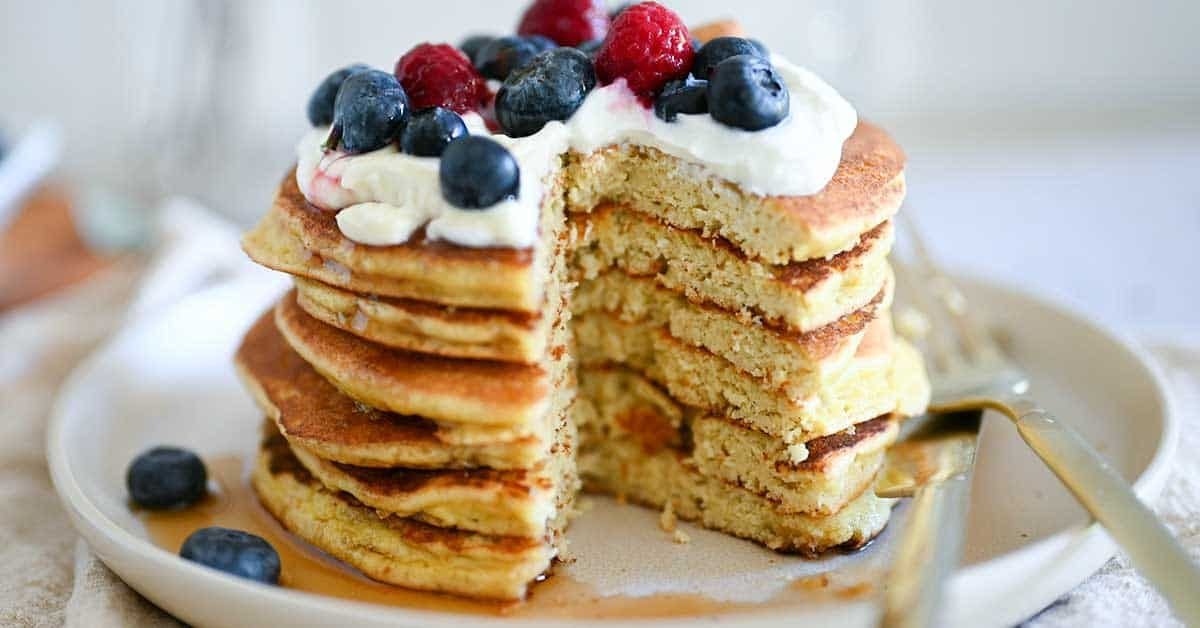
High Protein Pancakes for a Quick and Nutritious Breakfast
High-protein pancakes are a healthier version of regular pancakes. They are made with protein-rich ingredients like eggs, Greek yogurt, cottage cheese, oats, or protein powder. They can give you more protein while still keeping the soft and fluffy texture people love.
If your mornings are busy, these pancakes can make breakfast much easier. They are quick to prepare, filling, and simple to customize. You can enjoy them with fruit, yogurt, nut butter, or a small drizzle of honey for extra flavor.
High-protein pancakes can work well for breakfast, meal prep, or even a post-workout meal. You can make them with simple ingredients already in your kitchen. In this article, you will find easy ideas, useful tips, and different ways to make them tasty and nutritious.
What Are High Protein Pancakes?
High-protein pancakes are made with ingredients that provide more protein than regular pancakes. They may include eggs, Greek yogurt, cottage cheese, oats, or protein powder. These ingredients make the pancakes more filling.
They look and taste similar to traditional pancakes. The main difference is their higher protein content. This makes them a good choice for breakfast, especially when you want a meal that keeps you satisfied for longer.
High-protein pancakes are also easy to customize. You can add fruit, nuts, seeds, or a little nut butter. They can be made fresh in the morning or prepared in advance for a quick, simple breakfast.
Benefits of Protein at Breakfast
Protein at breakfast can help you feel full for longer. It may reduce the urge to snack too soon. A protein-rich meal can also make your morning feel more satisfying.
Protein is also important for muscles and body tissues. Foods like eggs, Greek yogurt, milk, and nuts are easy ways to add it. These foods can fit into many simple breakfast meals.
A good amount of protein in the morning can also support steady energy. This can be useful for work, school, or exercise. Pair protein with fiber-rich foods for a more balanced breakfast.
Best Protein Ingredients
Eggs are one of the best ingredients for adding protein to pancakes. They also help hold the batter together. Greek yogurt is another good choice because it makes pancakes soft and creamy.
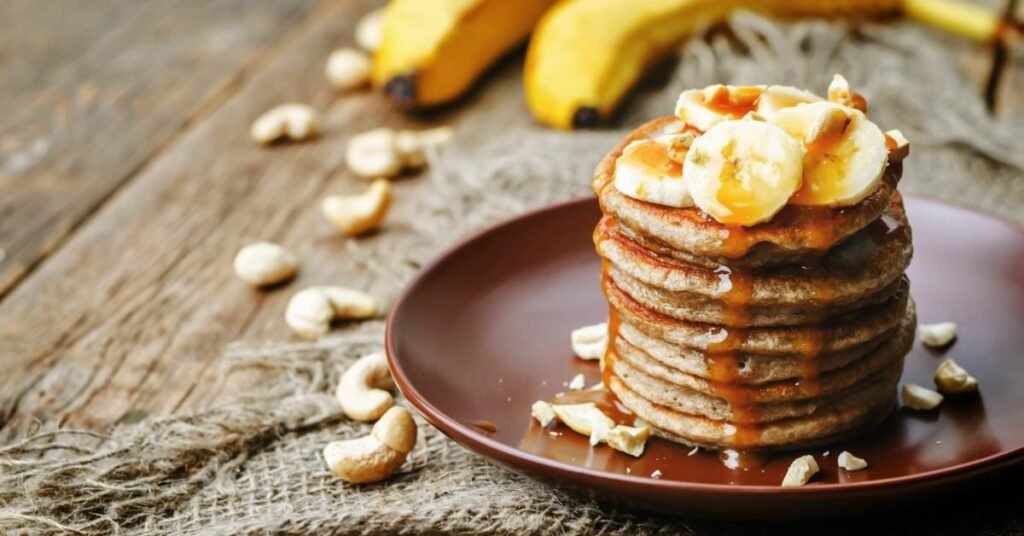
Cottage cheese can add extra protein without making the flavor too strong. Protein powder is useful when you want a higher-protein meal. You can choose whey, plant-based, or another type that fits your diet.
Milk, soy milk, nut butter, oats, and chia seeds can also add more protein. These ingredients are easy to mix into pancake batter. Using a few of them together can make breakfast more filling and nutritious.
Best Flour Options
The right flour can change the taste and texture of your pancakes. Oat flour is a popular choice because it adds fiber and has a mild flavor. Whole wheat flour is another good option for a more filling breakfast. Almond flour can also work well if you want a lower-carb choice.
You can also mix different flours to get a better texture. For example, oat flour and whole wheat flour work well together. Choose the flour that fits your taste, nutrition goals, and dietary needs. Start with small changes so the pancakes stay soft and easy to cook.
| Flour Option | Texture | Flavor | Main Benefit | Best For |
| Oat Flour | Soft and tender | Mild | Adds fiber and nutrients | Everyday pancakes |
| Whole Wheat Flour | Slightly dense | Nutty | More fiber than white flour | Filling breakfasts |
| All-Purpose Flour | Light and fluffy | Neutral | Easy to use | Classic texture |
| Almond Flour | Moist and soft | Slightly nutty | Lower in carbs | Low-carb meals |
| Coconut Flour | Light but absorbent | Mild coconut | High in fiber | Small-batch recipes |
| Buckwheat Flour | Soft and hearty | Earthy | Naturally gluten-free | Rustic pancakes |
| Spelt Flour | Light and tender | Mildly nutty | Whole-grain option | Soft whole-grain pancakes |
| Chickpea Flour | Dense and hearty | Slightly savory | Adds extra protein | Protein-rich recipes |
| Quinoa Flour | Soft and slightly dense | Earthy | Contains protein and minerals | Nutritious pancakes |
| Gluten-Free Blend | Similar to regular flour | Neutral | Convenient gluten-free option | Gluten-free diets |
How to Make Them Fluffy
To make pancakes fluffy, avoid mixing the batter too much. Stir the ingredients only until everything comes together. A few small lumps are fine. Overmixing can make the pancakes heavy and dense.
Baking powder can also help the pancakes rise. Make sure it is fresh for the best results. Letting the batter rest for a few minutes can also improve the texture. This gives the ingredients time to settle.
Cook the pancakes over medium heat and avoid pressing them with a spatula. Flip them when bubbles appear on the surface, and the edges look set. Cook the other side until lightly golden. This helps keep the inside soft and fluffy.
Healthy Add-Ins
Healthy add-ins can make your pancakes more tasty and nutritious. Fresh berries, sliced bananas, and chopped apples are easy choices. They add natural sweetness, color, and extra nutrients.
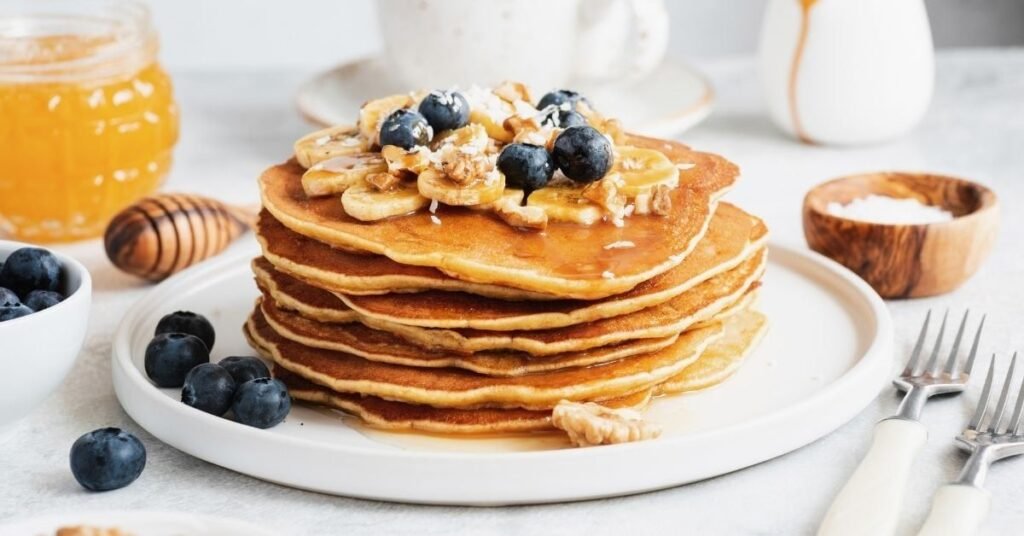
Nuts and seeds are also great options. Try almonds, walnuts, chia seeds, or flaxseeds. They can add healthy fats, fiber, and a little extra protein. Nut butter can also make pancakes more filling.
You can also add cinnamon, cocoa powder, or shredded coconut for more flavor. Greek yogurt is another simple addition for a creamy texture. Choose small amounts so the pancakes stay light, balanced, and easy to cook.
Easy Ingredient Swaps
Easy ingredient swaps can make your pancakes fit different diets and tastes. You can replace regular milk with almond, oat, or soy milk. Greek yogurt can also be swapped with dairy-free yogurt if needed.
If you do not want to use white flour, try oat flour or whole wheat flour. Mashed banana or applesauce can replace some of the oil or butter. These options also add natural sweetness and moisture.
You can also swap sugar for a small amount of honey or maple syrup. Chia seeds or ground flaxseeds can be used in some recipes when eggs are not an option. Simple swaps can make your pancakes healthier without making the recipe difficult.
Protein Per Serving
The amount of protein in each serving depends on the ingredients you use. Eggs, Greek yogurt, cottage cheese, and protein powder can all increase the protein level. A basic serving may contain around 15 to 25 grams of protein.
Adding milk, nut butter, or seeds can raise the amount even more. The exact number will change with portion size and recipe. Checking food labels can help you estimate the total protein more accurately.
You do not need to make the pancakes extremely high in protein. A balanced serving with protein, fiber, and healthy fats can be enough. Choose an amount that fits your daily needs and keeps you satisfied.
Healthy Toppings
Healthy toppings can add more flavor and nutrition to your pancakes. Fresh berries, sliced bananas, and chopped apples are simple choices. They add natural sweetness without making the meal too heavy.
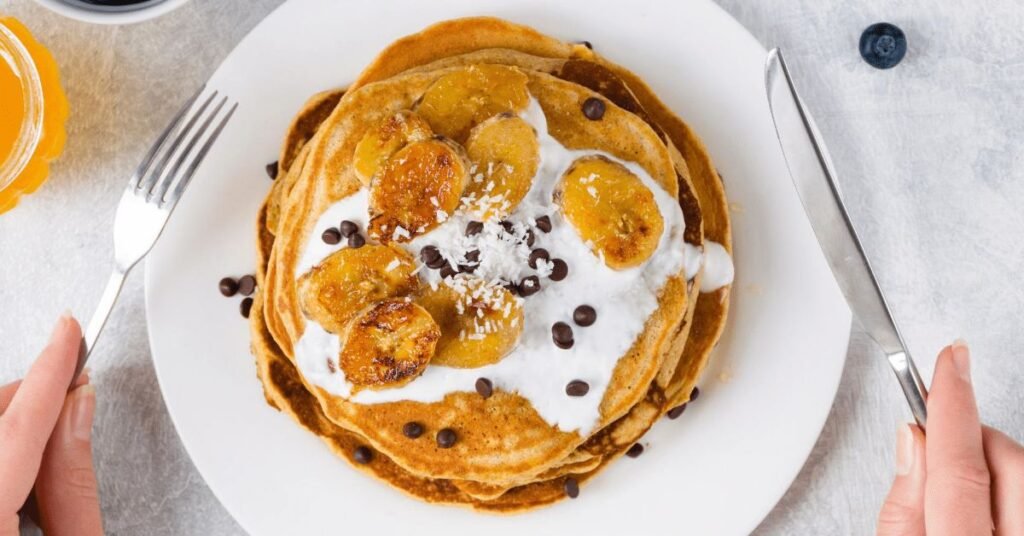
Greek yogurt is another good topping. It adds creaminess and extra protein. You can also use a small amount of peanut butter or almond butter for healthy fats and a richer taste.
Chia seeds, flaxseeds, and chopped nuts can add texture and crunch. A little cinnamon or a drizzle of honey can also work well. Keep portions balanced so the toppings support the meal instead of adding too many extra calories.
Low-Calorie Options
Low-calorie pancakes can still be filling and tasty. Use ingredients like egg whites, oats, low-fat Greek yogurt, and unsweetened milk. These choices can help reduce calories while keeping the meal nutritious.
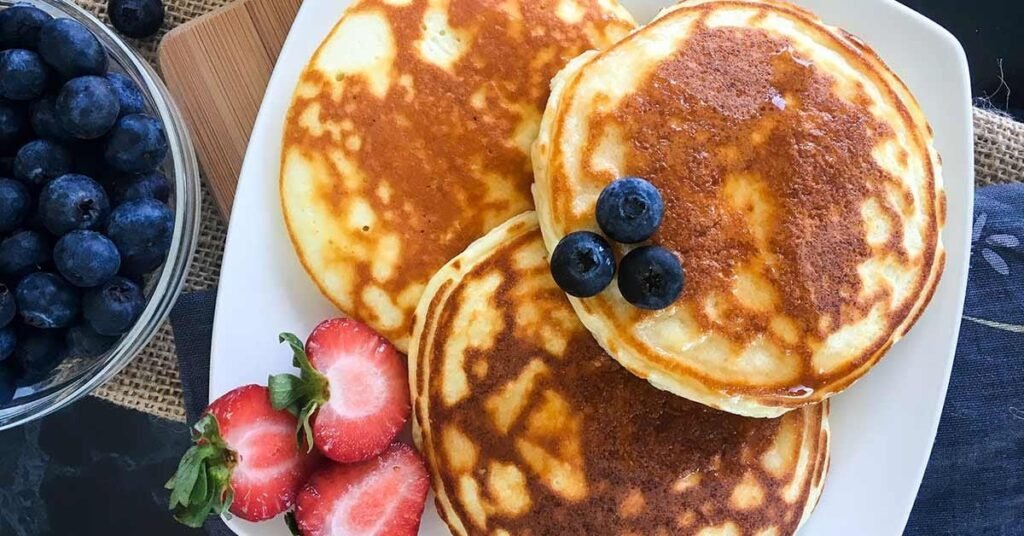
You can also use mashed banana or applesauce instead of extra sugar or butter. Fresh berries make a great topping because they add sweetness with fewer calories. A small amount of yogurt can also add creaminess without making the meal too heavy.
Try to keep toppings simple and watch portion sizes. Heavy syrups, chocolate spreads, and large amounts of nut butter can quickly add extra calories. Choose fresh fruit, cinnamon, or a drizzle of honey for a lighter breakfast.
Common Mistakes
One common mistake is adding too much protein powder. This can make the pancakes dry, dense, or rubbery. Use a balanced amount and combine it with moist ingredients like eggs or yogurt.
Another mistake is overmixing the batter. Stir only until the ingredients come together. Mixing too much can make the pancakes heavy instead of soft and fluffy.
Cooking on very high heat can also cause problems. The outside may burn while the inside stays raw. Use medium heat and wait for small bubbles before flipping the pancakes.
Storage and Reheating
Protein pancakes are easy to store for later. Let them cool completely before putting them in an airtight container. Keep them in the refrigerator for a few days to make busy mornings easier.
You can also freeze them for longer storage. Place a small piece of parchment paper between each pancake so they do not stick together. Store them in a freezer-safe bag or container.
To reheat, use a microwave, toaster, or warm skillet. Heat them only until they are warm and soft again. Avoid overheating because this can make the pancakes dry or rubbery.
Gluten-Free and Dairy-Free Options
Gluten-free pancakes are easy to make with the right flour. Oat flour, almond flour, buckwheat flour, or a gluten-free flour blend can work well. Always check the label if you need to avoid gluten completely.
For a dairy-free version, replace regular milk with almond, oat, soy, or coconut milk. You can also use dairy-free yogurt instead of Greek yogurt. Plant-based protein powder is another simple option.
These swaps can still give you soft and tasty pancakes. You may need to adjust the liquid slightly because some flours absorb more moisture. Try small changes until the batter has a smooth and pourable texture.
Conclusion
High protein pancakes are a simple way to make breakfast more filling and nutritious. You can use eggs, Greek yogurt, oats, cottage cheese, or protein powder. Add fruit, nuts, or seeds for extra flavor and texture.
They are also easy to adjust for different diets and goals. You can make them gluten-free, dairy-free, or lower in calories. With the right ingredients and a few simple tips, you can enjoy soft, tasty pancakes that fit easily into your morning routine.
FAQs
1. What makes pancakes high in protein?
High-protein pancakes use ingredients like eggs, Greek yogurt, cottage cheese, oats, or protein powder to increase protein.
2. How much protein can high-protein pancakes have?
A serving may provide around 15–25 grams of protein, depending on the ingredients and portion size.
3. Can I make high-protein pancakes without protein powder?
Yes. Eggs, Greek yogurt, cottage cheese, oats, and milk can naturally add protein without protein powder.
4. Are high-protein pancakes good for weight loss?
They can fit into a weight-loss diet when portions and toppings are balanced. Protein may also help you stay full longer.
5. Can I prepare high protein pancakes ahead of time?
Yes. Store cooked pancakes in the refrigerator or freezer and reheat them for a quick breakfast.
Related Post
Best Italian Desserts for Holidays, Parties, and Special Occasions
Italian desserts are traditional sweet dishes from Italy. They often use cream, chocolate, coffee, fruit,…